
ABOUT
ABOUT
CALLING ALL CONSERVATION STORYTELLERS:
Did you know that every year, 50,000 tons of plastic fishing nets end up in the oceans? That is the same weight as 50,000 cars. Did you know that most of these are made of plastic that takes hundreds of years to degrade, never going away and instead ending up in our water, fish and even in the air we breathe?
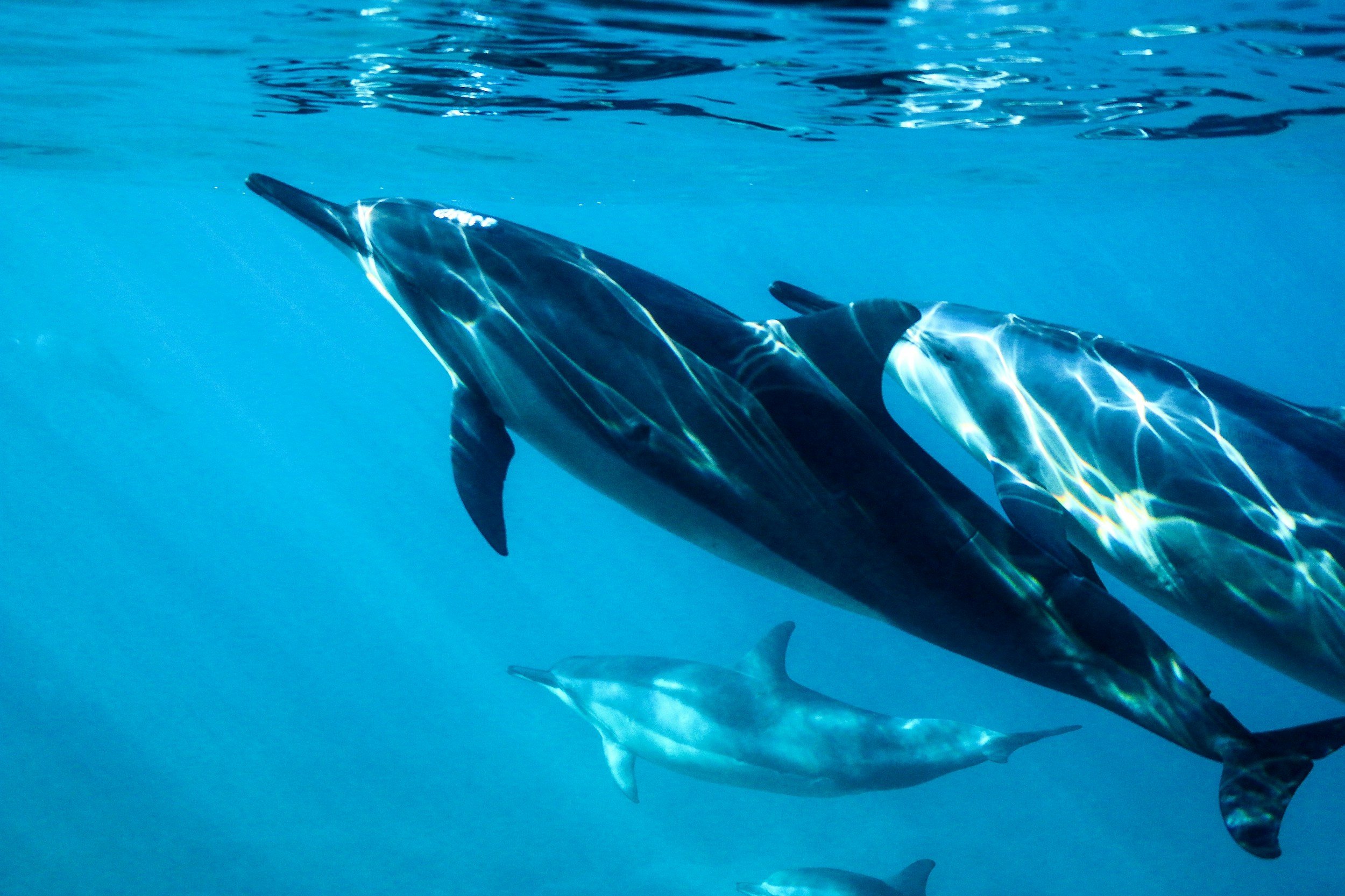
In 2026 we have partnered with Guardianes del Mar (Guardians of the Sea) for an Expedition that will benefit their collective conservation efforts that involve communities throughout the Gulf of Tribugá. The Guardianes are leading the effort to tackle the problem of ghost nets from industrial fishing vessels and other unsustainable fishing practices, which threaten this precious ecosystem.
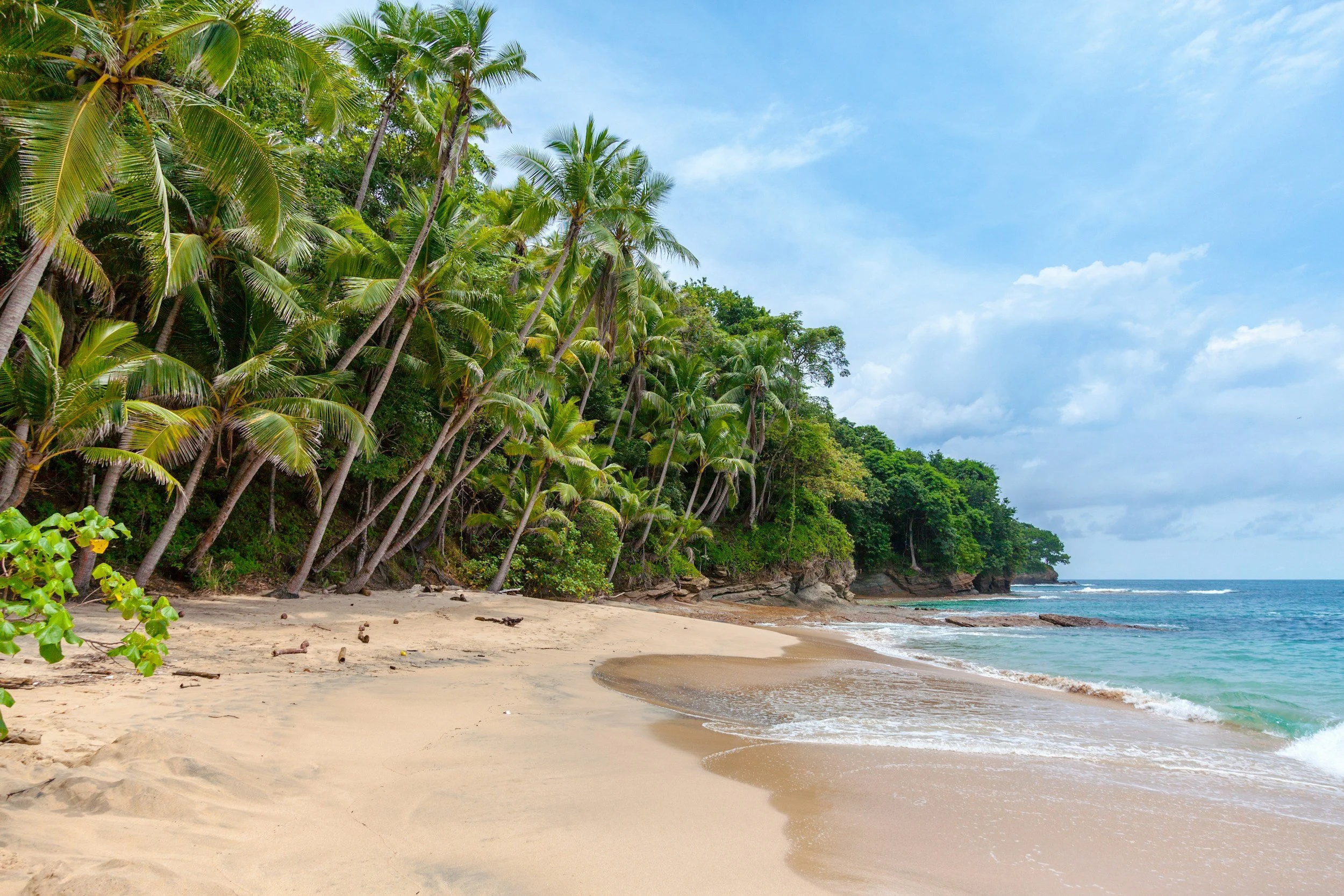
The Guardianes work in one of the most beautiful and biologically-diverse UNESCO sites in the world–a place where volcanic jungle meets the ocean. Linked by mangroves, which are nurseries for thousands of species including sharks, shrimp, crustaceans, fish and more, this is an experience you will never forget.
TRIP DATES: March 17-28, 2026
COST: $4,249 USD (SHARED)
$4,999 USD (PRIVATE)
Deadline to register: February 1, 2026
ITINERARY
ITINERARY
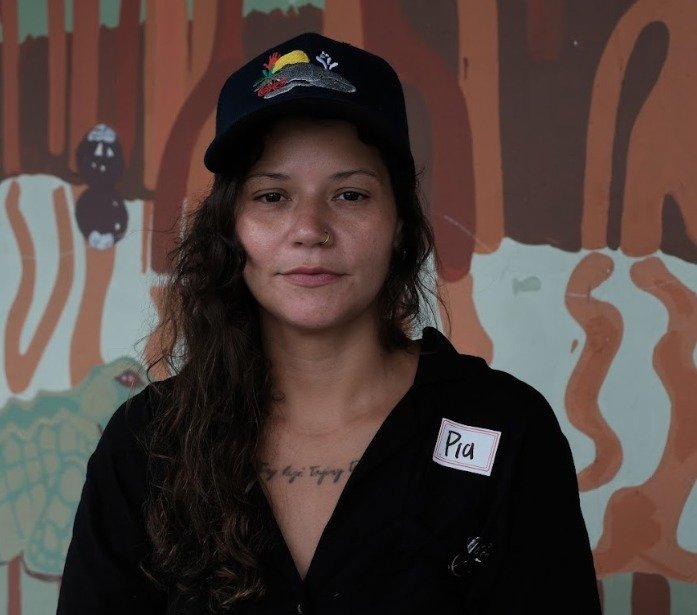
Meet your local guide and expert, María! María Andrea Pineda López is a designer, project manager, and producer with a strong social and environmental focus. Based in Nuquí, Chocó, her work is rooted in community processes and territorial engagement. She believes in art, care, and collaborative practices as key tools for fostering social transformation and sustainable change.

Physical Rating: Moderate
DAY 1
March 17
Arrival of the group in Medellín, welcome, and hotel check-in. We will use the afternoon to visit one of Medellín’s neighborhoods that has built its history through resistance and art as a tool for social transformation. There, we will enjoy a lunch with the flavors of a Colombian home. In the evening, we will return near the hotel for a delicious signature dinner and rest.
DAY 2
March 18
In the morning, we will explore more of the southern Aburrá Valley (Itagüí), learning firsthand about community transformation processes through art and culture with Fundación Cultural El Hormiguero (@elhormi_ / elhormi.org). We will take a cultural tour of the local murals, along with some birdwatching and observation of local flora, ending with a wood-fired lunch.
In the afternoon, we will return to Medellín for a cultural tour of the city’s most emblematic downtown spaces, learning about the movement through music, bars, parks, and museums.

We will meet for dinner in the evening where we will learn more about the context of the place we will be traveling, the communities and the itinerary, and we will have the chance to answer any questions you might have. We will give an idea of what we each expect from the workshop. We will share our intentions in an intimate ceremony and prepare for our flight the next day.
DAY 3
TRIBUGÁ
March 19
Departure to our main destination: Nuquí. Hotel check-in (in the municipal center) and lunch on the beach. Welcome ritual and opening of the experience in the territory. We will have a brief conversation about methodologies and ways of inhabiting the territory, as well as an introduction to the processes we will visit over the coming days—among them, the most relevant: Guardianes del Mar (@guardianesdelmar.gt).
At the end of the afternoon, we will hold a film forum to watch the documentary Ocean by David Attenborough, followed by a discussion with a representative of Guardianes del Mar. We will close the day with a beach bonfire!
DAY 4
March 20
We will visit one of the corregimientos closest to Nuquí’s municipal center, called Panguí. We will take a boat ride of approximately 15 minutes through the mangroves to visit a local initiative that safeguards the coastal marine territory alongside children from the community. If weather and environmental conditions allow, we will do some snorkeling to observe and monitor various species.

DAY 5
TRIBUGÁ
March 21
This will be a very special day. We will head to the northern area of the Gulf of Tribugá, specifically to a corregimiento called Jurubirá. This journey will be by boat and will take approximately 35 minutes. There, we will also meet a social initiative that trains children in freediving and aquatic skills. We will go mountain hiking and visit the hot springs to bring healing to body and soul. This experience will be accompanied by a great local cook, freediver, and diver.

DAY 6
TRIBUGÁ
March 22
We depart from the municipal center to our next destination: Guachalito, a beach that belongs to the corregimiento of Joví and is a favorite among our visitors. This boat trip will take approximately 35–40 minutes. We will check in at our hotel (@nuqui_magico), and the afternoon will be free for rest and for getting to know this beautiful place.

DAY 7
TRIBUGÁ
March 23
We will visit the village of Joví to learn firsthand about one of the environmental initiatives gaining strength in the territory, led by one of the Guardians of the Sea. Complementing this experience, we will learn about local entrepreneurship and gastronomy, and to close the visit, we will take a traditional medicinal plant bath. This boat trip will take approximately 15 minutes.
DAY 8
TRIBUGÁ
March 24
We will visit three ventures/companies run by three members of Guardianes del Mar. In the first, we will learn about the process of transforming materials that the Guardians of the Sea recover from the ocean floor and walk along a medicinal plant trail. In the second, we will visit the dive center allied with Guardianes del Mar (@buceokakiri), where we will have a conversation about the history of the creation of Guardianes del Mar with its founder. In the third, we will take a viche tour guided by one of the Guardians of the Sea.
DAY 9
TRIBUGÁ
March 25
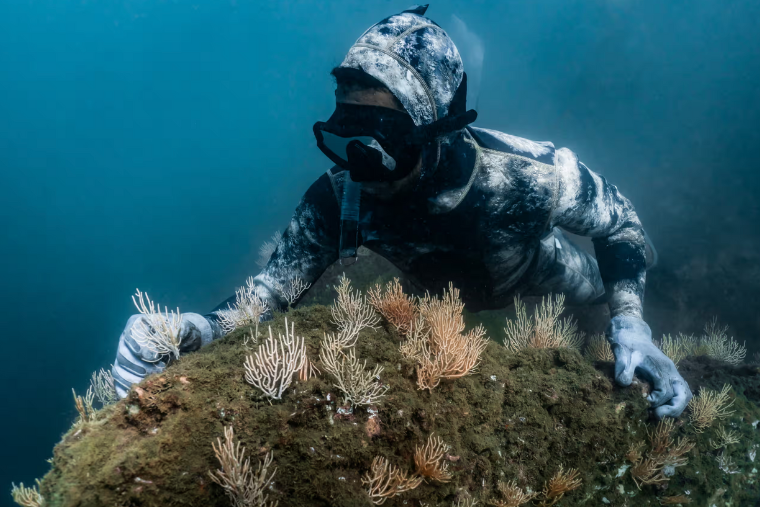
This will be a special day, as we will finally meet with most of the Guardians of the Sea to talk specifically about the mission, the group’s vision, and to live an aquatic experience alongside those who look at the ocean depths with love.
If weather and sea conditions allow, we will be able to join the Guardians in an immersion experience through diving or snorkeling.
DAY 10
TRIBUGÁ
March 26
We will visit the final initiative of one of the Guardians of the Sea, focused on surfing. This boat trip will take approximately 20 minutes. Through this experience, we will get to know the corregimiento of Termales, its local ventures, and the experience of the southern hot springs. In the evening, we will have a beautiful closing bonfire at the hotel with a big surprise!
DAY 11
RETURN TO MEDELLÍN
March 27
Breakfast and departure by boat to Nuquí’s municipal center to catch the flight back to Medellín. After checking into the hotel, we will go out for lunch and visit the Medellín Botanical Garden.
DAY 12
DEPARTURE
March 28
Return of the group to their respective destinations.
WHAT'S INCLUDED
WHAT'S INCLUDED
what’s not included
International air fare to/from Medellín, Colombia and applicable tourist visas or airport taxes.
Medical insurance for travellers (required)
Tips or gratuities
Incidentals (e.g. alcoholic beverages, snacks, souvenirs, etc.) or optional tours or activities (e.g. yoga, massages, etc.)
what’s included
Orientation and tours
All transportation between program activity destinations and to/from all included activities
Accommodations
Most meals are included (please allow $200-400 USD for additional meals, drinks and gratuities)
Staff & experts: PWB Staff, Local Staff
My bags are packed. Sign me up!
REGISTER
REGISTER
Please select the workshop of your choice below.
You will be required to make a $1000 USD, non-refundable deposit to secure your space.
REGISTRATION DEADLINE: FEB 1, 2026 OR WHEN FULL (MAX 6 PARTICIPANTS).
This is a non-refundable deposit for the Coastal Colombia Expedition that will be applied against the total cost.
FAQ
FAQ
FREQUENTLY ASKED QUESTIONS
1. What are Expeditions?
Expeditions are immersive field opportunities where photographers and visual storytellers travel to work alongside grassroots nonprofit partners around the world. Participants use their photography or video-making skills to create impactful visual stories that support the partner’s mission and programs.
2. Who can participate in an Expedition?
To apply, you must be a professional member of Photographers Without Borders and have experience in photography or video-making. This ensures storytellers are prepared to deliver high-quality work that benefits the community partners.
3. Do I need any specific certifications to go on an Expedition?
Yes. Participants are required to complete the Ethical Storytelling Certification before joining. This certification is included in the logistics/administration cost for those who haven’t completed it yet.
4. Are Expeditions suitable for beginners?
Expeditions generally expect participants to be comfortable travelers with prior visual storytelling experience. Beginners with minimal experience might not be best suited unless they already meet these requirements and the Expedition’s specific criteria. Photographers Without Borders
5. What’s the difference between an Expedition and a Storytelling School workshop?
Expeditions are in-field experiences — travel with community partners, produce real stories for real impact, and work directly with organizations on the ground.
Storytelling School workshops are educational programs focused on building your skills through guided instruction (online or in-person), without the travel/field component.
6. Are there limits on group size?
Yes. Expeditions typically range from 1–6 participants, depending on the specific trip and partner needs.
7. What do participants actually do on an Expedition?
While details vary by trip, duties usually include:
Photographing/documenting local programs and community stories
Creating images or videos that community partners can use for campaigns all year
Potentially contributing to your own portfolio or pitches to media outlets
Every Expedition’s itinerary and focus can differ based on the partner organization’s needs.
8. How long are Expeditions?
Duration varies by specific Expedition. Some may be short (around one week), others may last longer depending on the goals and logistics of the project. (Example: the Sumatra Expedition runs ~10 days).
9. Do I need special gear (e.g., underwater housing)?
There’s no general requirement for specialty gear like underwater housings — gear needs depend on the specific Expedition’s focus and environment. However, you should bring whatever equipment you need to fulfill the visual storytelling goals of that particular trip. Confirm gear needs with the organizers if you’re unsure.
10. What happens to the photos/stories created on the Expedition?
The images and video you make are shared with the community partner, who may use them year-round for advocacy, fundraising, or outreach. You also often gain material for your own portfolio and storytelling practice.
Okay, I’m ready!