KENYA PHOTO EXPEDITION
KENYA PHOTO EXPEDITION
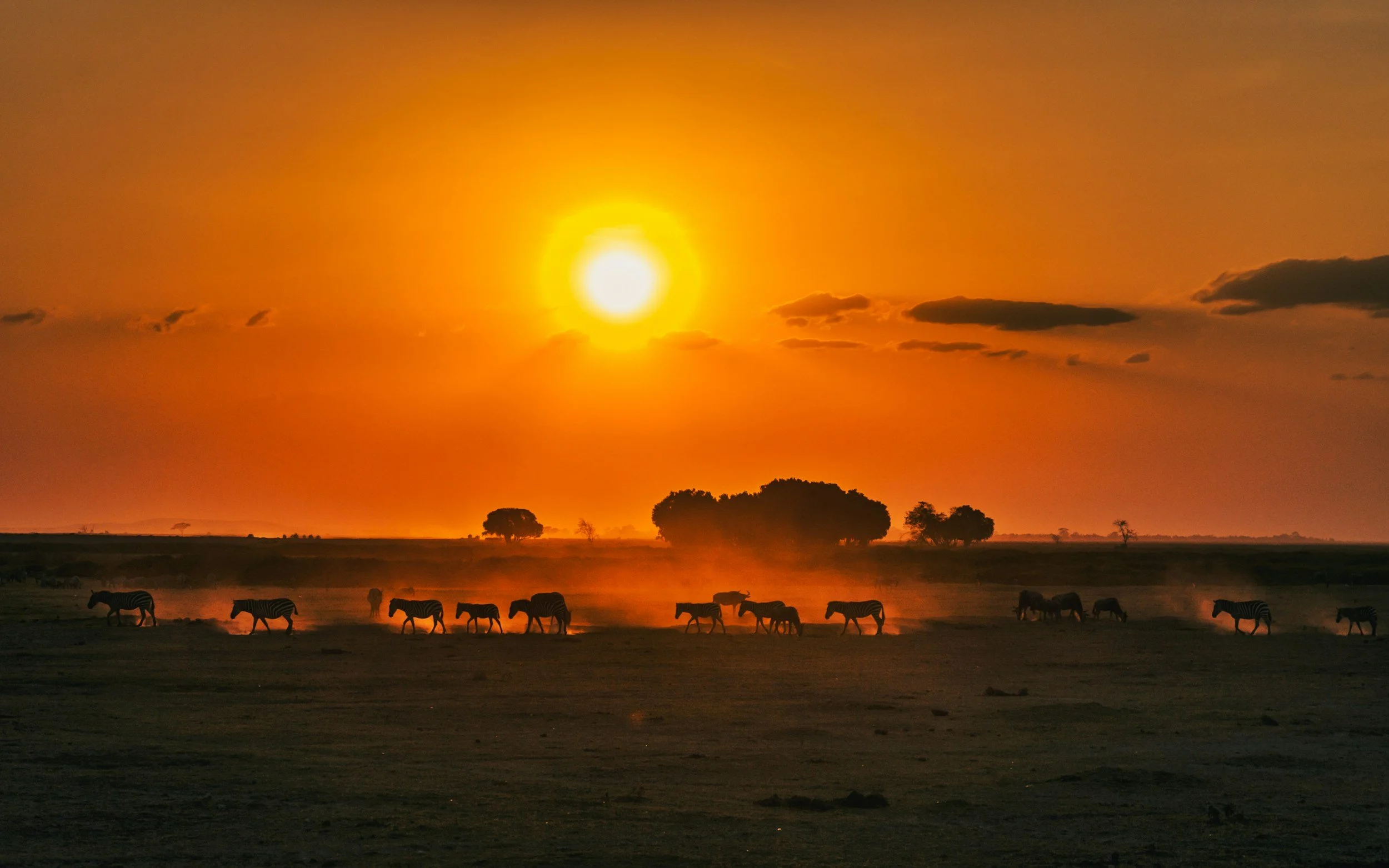
A collaborative photography journey beyond the safari in Amboseli, Kenya.
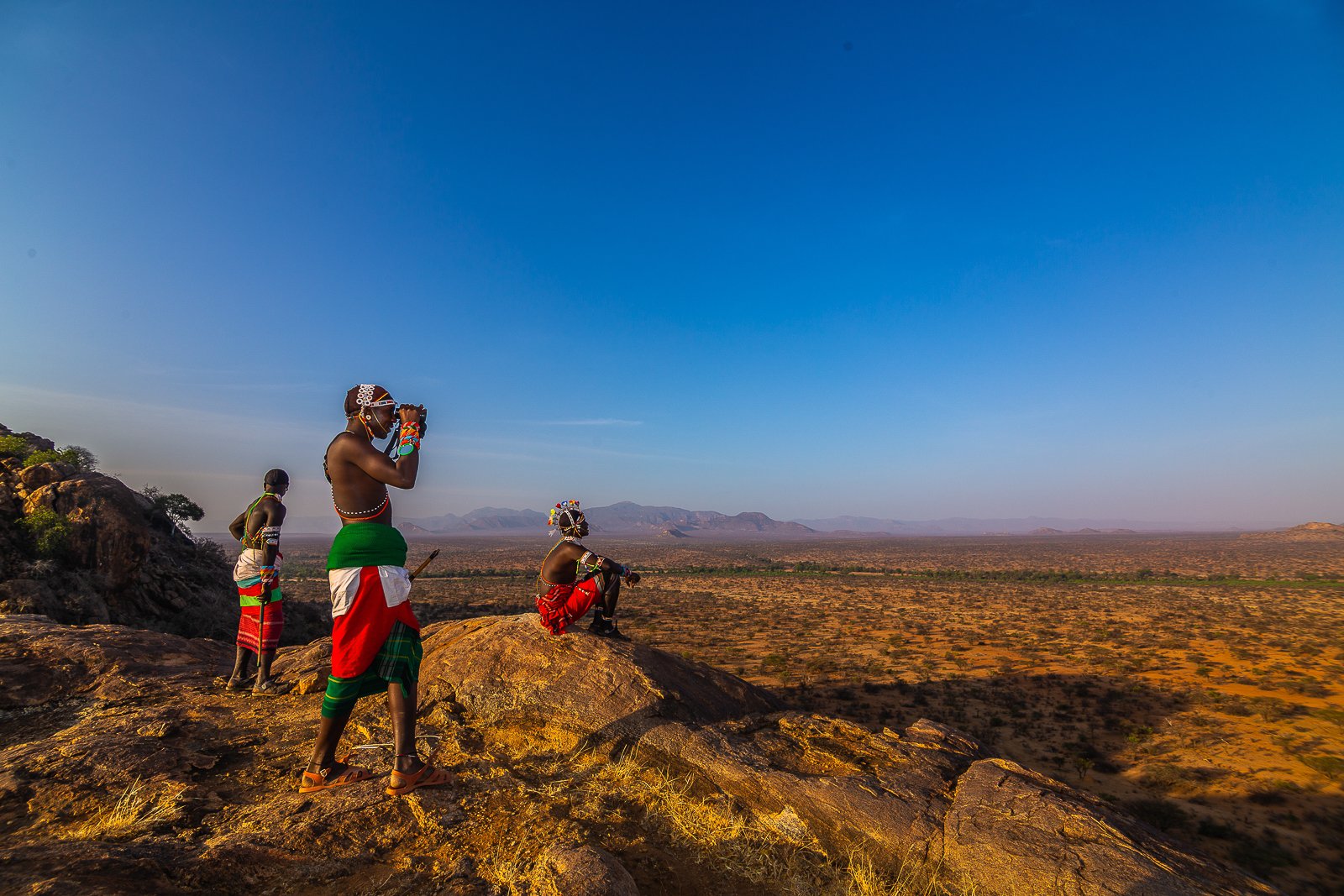
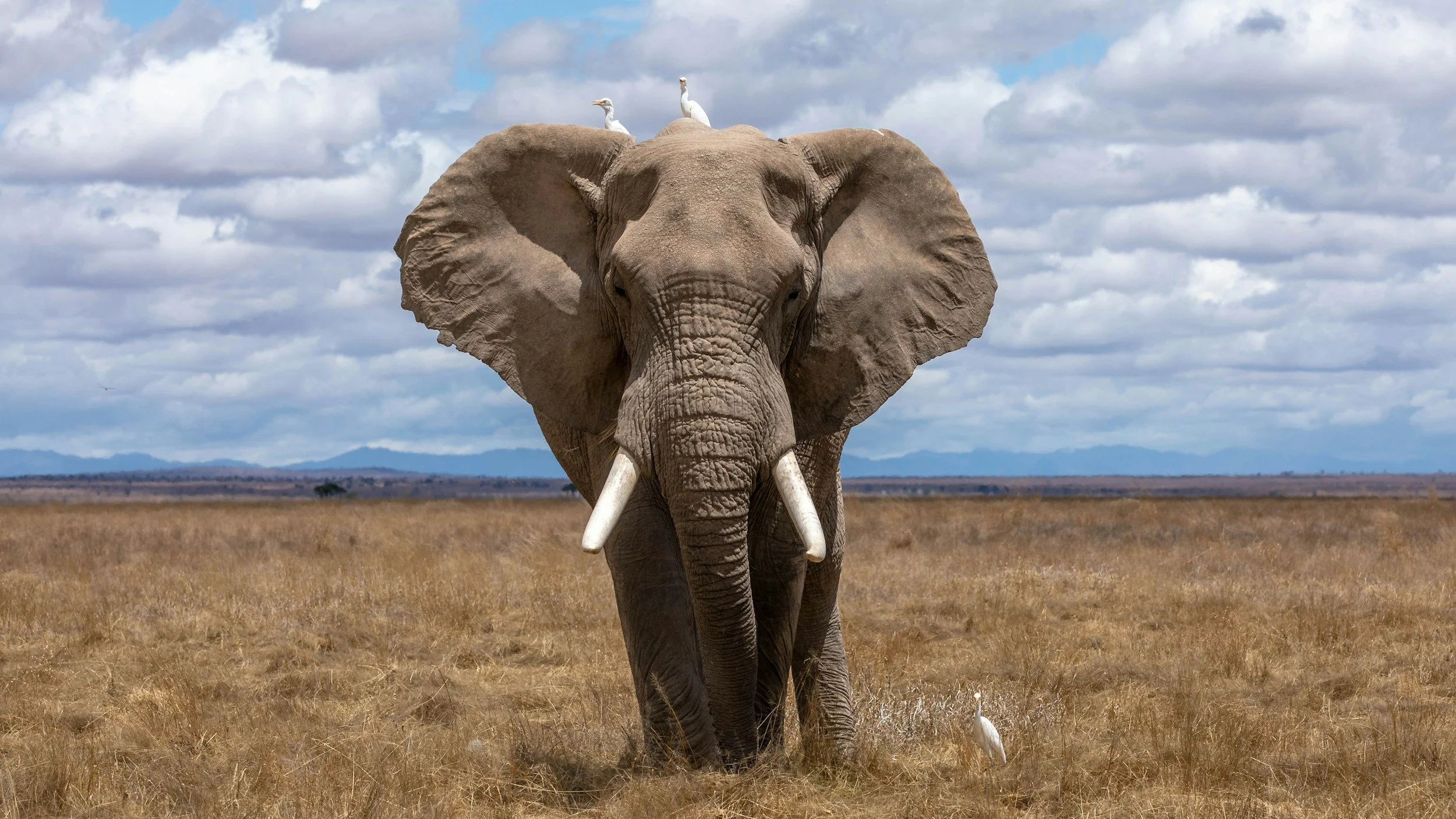
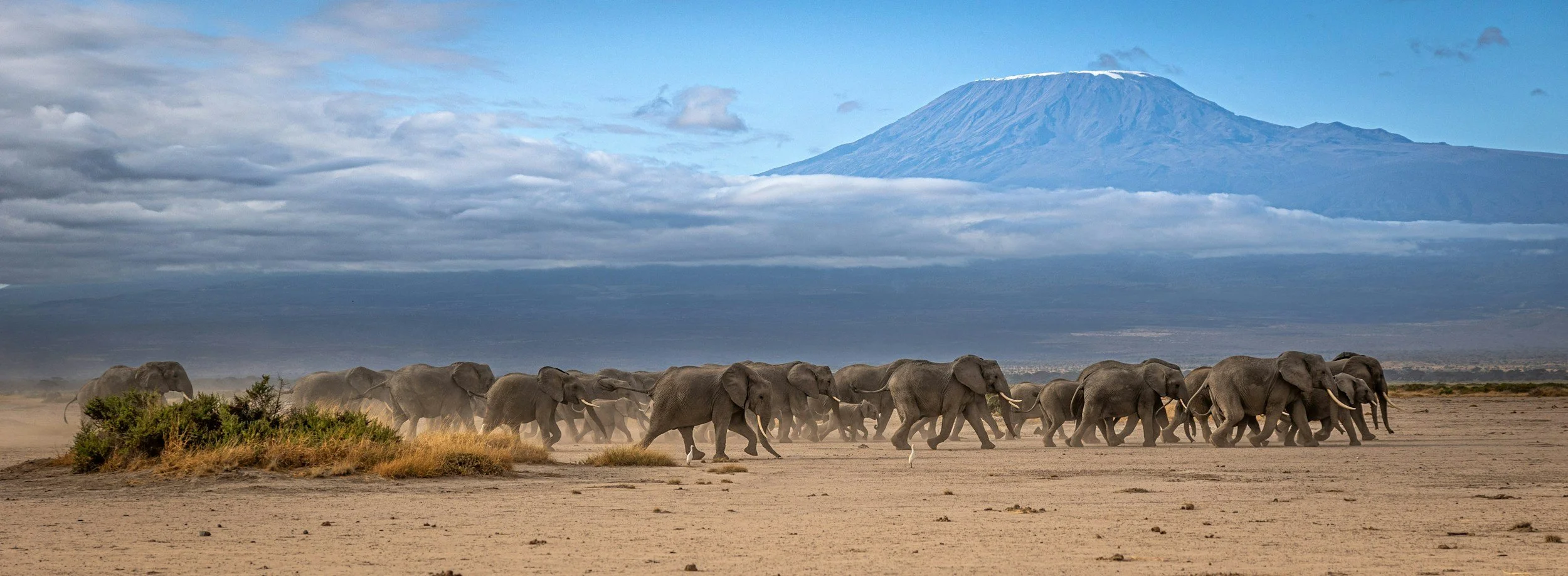
Join us for an immersive journey through Kenya’s iconic wildlife landscapes, vibrant cultures, and inspiring conservation initiatives. From photographing elephants beneath Mount Kilimanjaro in Amboseli to exploring the wildlife of Nairobi National Park, this expedition combines photography, conservation mentorship, citizen science, and cultural exchange.
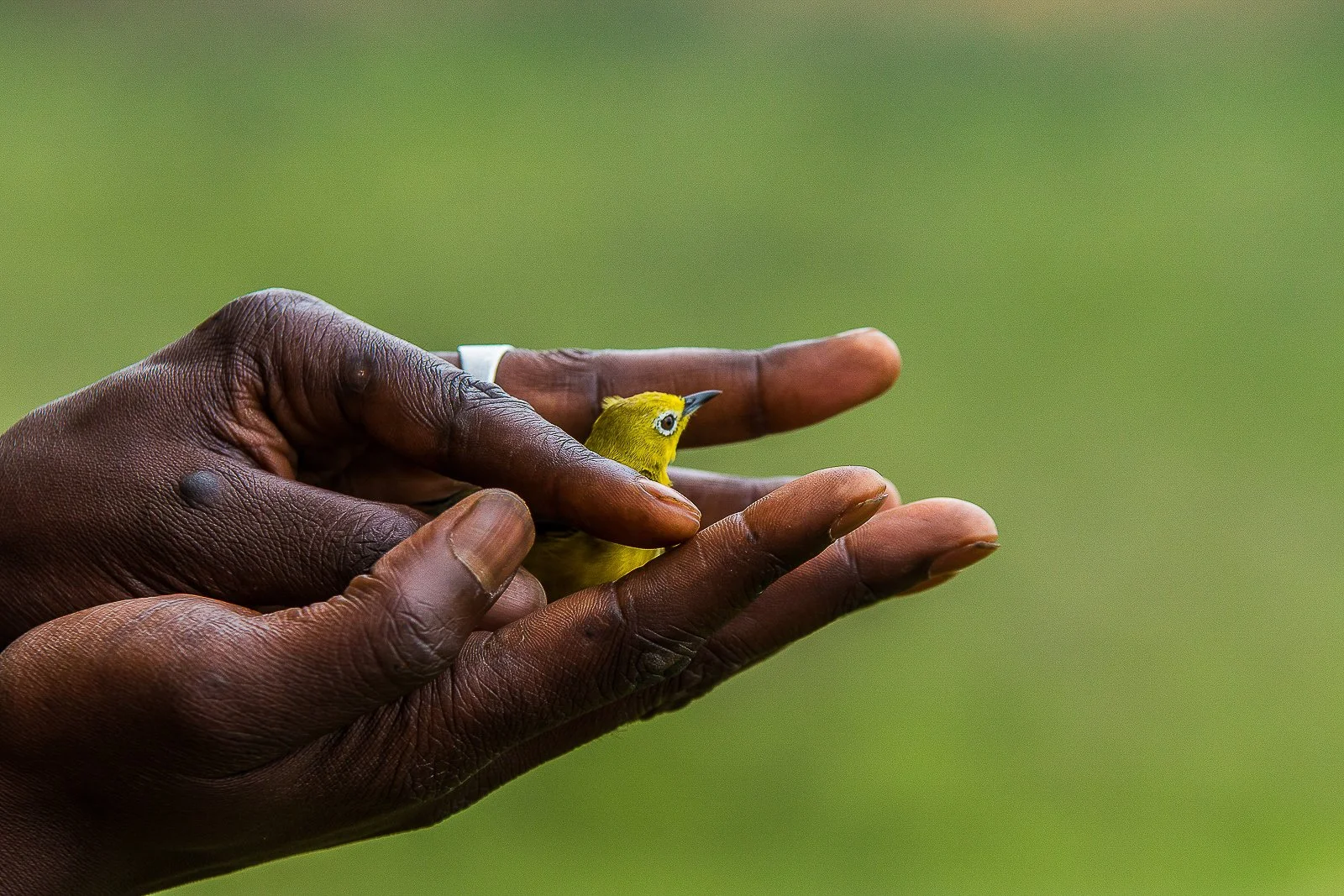
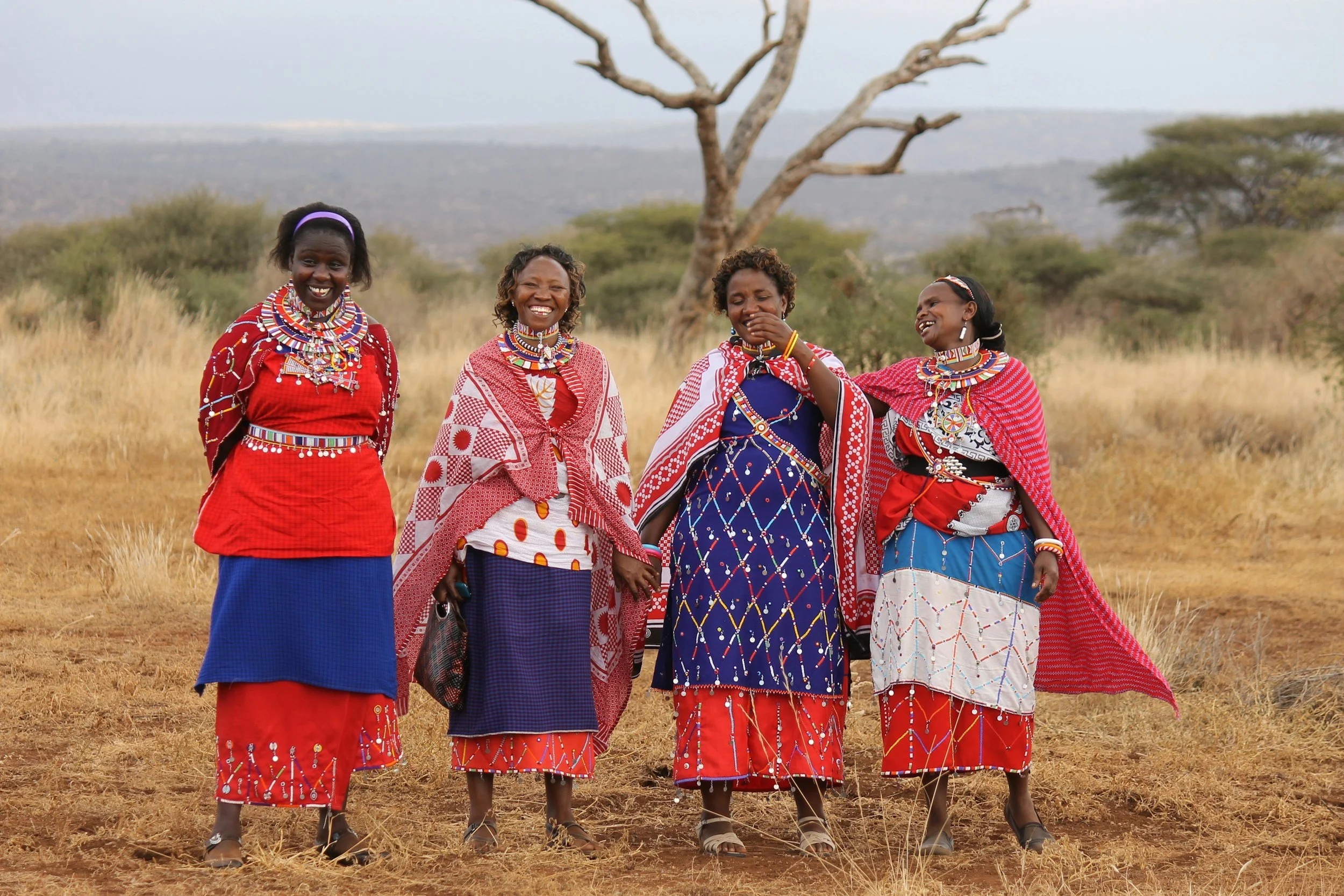
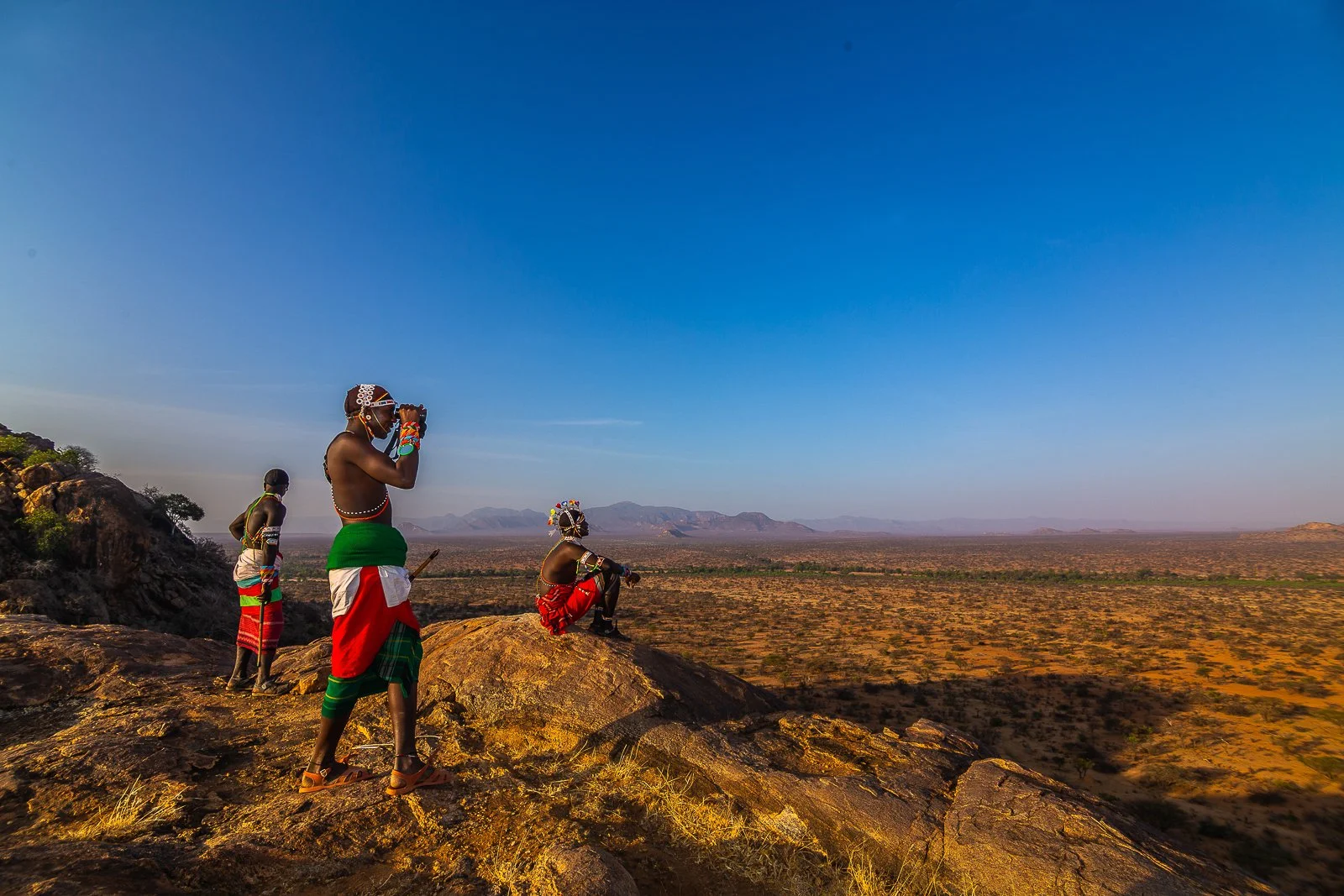
Learn from Kenyan conservationists and photographers, discover the traditional knowledge of local communities, explore indigenous plants, join guided birding activities, and experience life with Maasai hosts in the Amboseli landscape. In addition, support the TonyWild Foundation to train a group of young storytellers from the Amboseli Community. Guided by the team at TonyWild Foundation, you’ll be invited into a deeply immersive experience that will transform the way you see, listen, and tell stories.
WHAT YOU’LL EXPERIENCE
Participants will:
• Create a powerful story — blending images and words — to add to your professional or personal portfolio and to promote the work of TonyWild Foundation.
• Deepen your ethical storytelling practice, learning how to tell stories with communities, not about them.
• Experience daily life and culture in the heart of the Maasai and Kenyan people.
IMPACT
Wild Kenya goes beyond photography, bringing people together through conservation, culture and shared learning. Participants will strengthen their storytelling skills, learn from Kenyan photographers and conservationists, and explore local knowledge through meaningful cultural exchange and citizen science.
By working with local guides, community hosts and conservation practitioners, the expedition aims to support local livelihoods, celebrate cultural heritage and encourage respectful storytelling. Ultimately, it creates opportunities to connect people with nature and inspire stories that promote appreciation for Kenya’s wildlife, biodiversity and communities.
TRIP DATES: JUNE 1-11, 2027
COST: $ USD
Deadline to register (first come, first-served): April 30, 2027
YOUR GUIDE
YOUR GUIDE
Meet your guide, ANTHONY
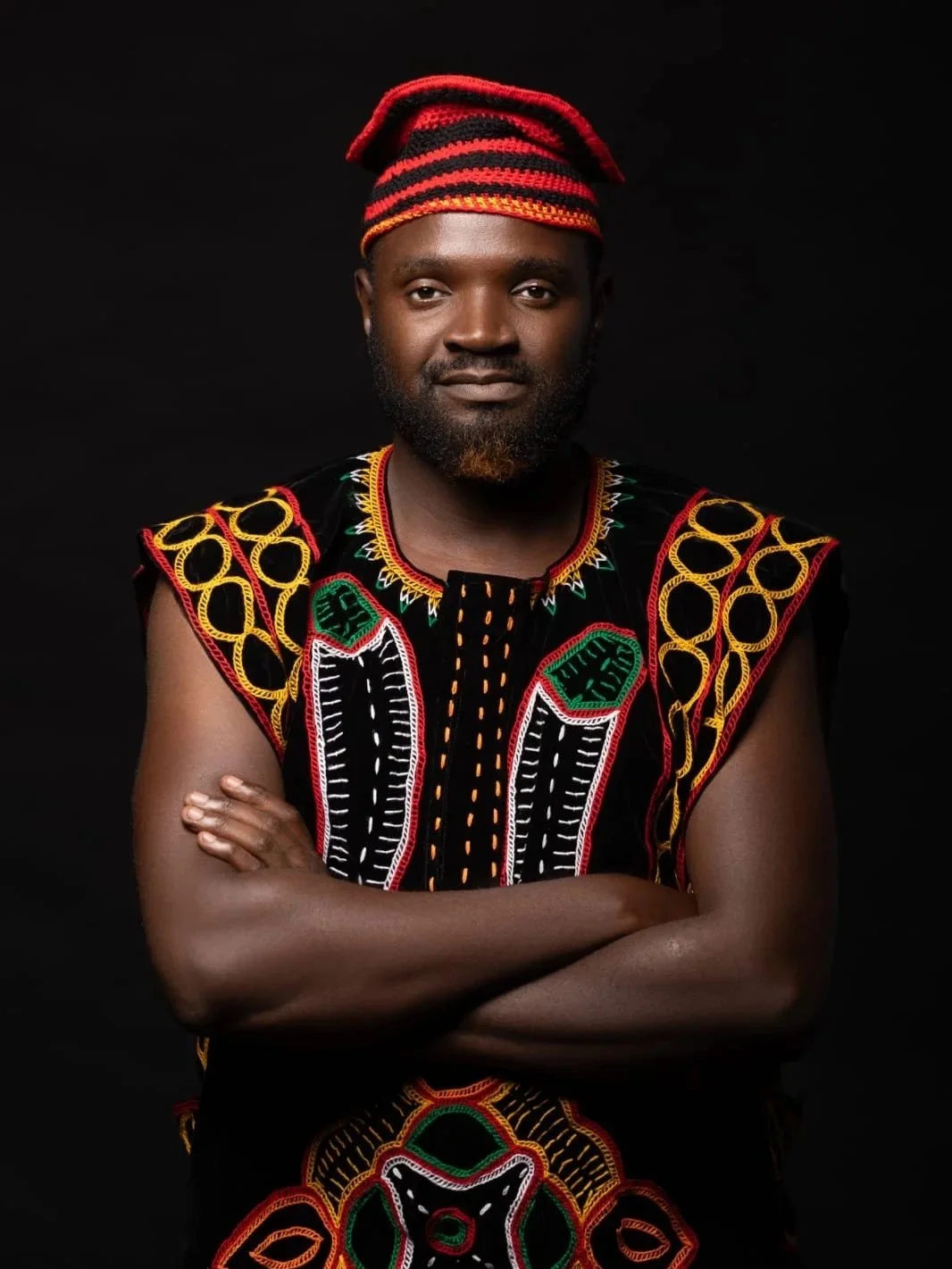
Growing up in Kenya, wildlife and nature were always part of my life. From drawing animals in a sketchpad as a boy in Nairobi and Kisumu, to chairing the Wildlife Club at Moi University, where I studied Wildlife Management, the natural world was never far from me. Nature was, and still is, my safe space.
After years working inside conservation organisations on data, monitoring, and evaluation, I kept running into the same problem: the public didn't understand what conservation really meant, and the people doing the work couldn't communicate it visually. In 2016, I used my savings to take a photography course. It left a dent in my pockets, but my instincts told me it was the right investment. A year later, I bought my first real camera lens. It was the best day of my life.
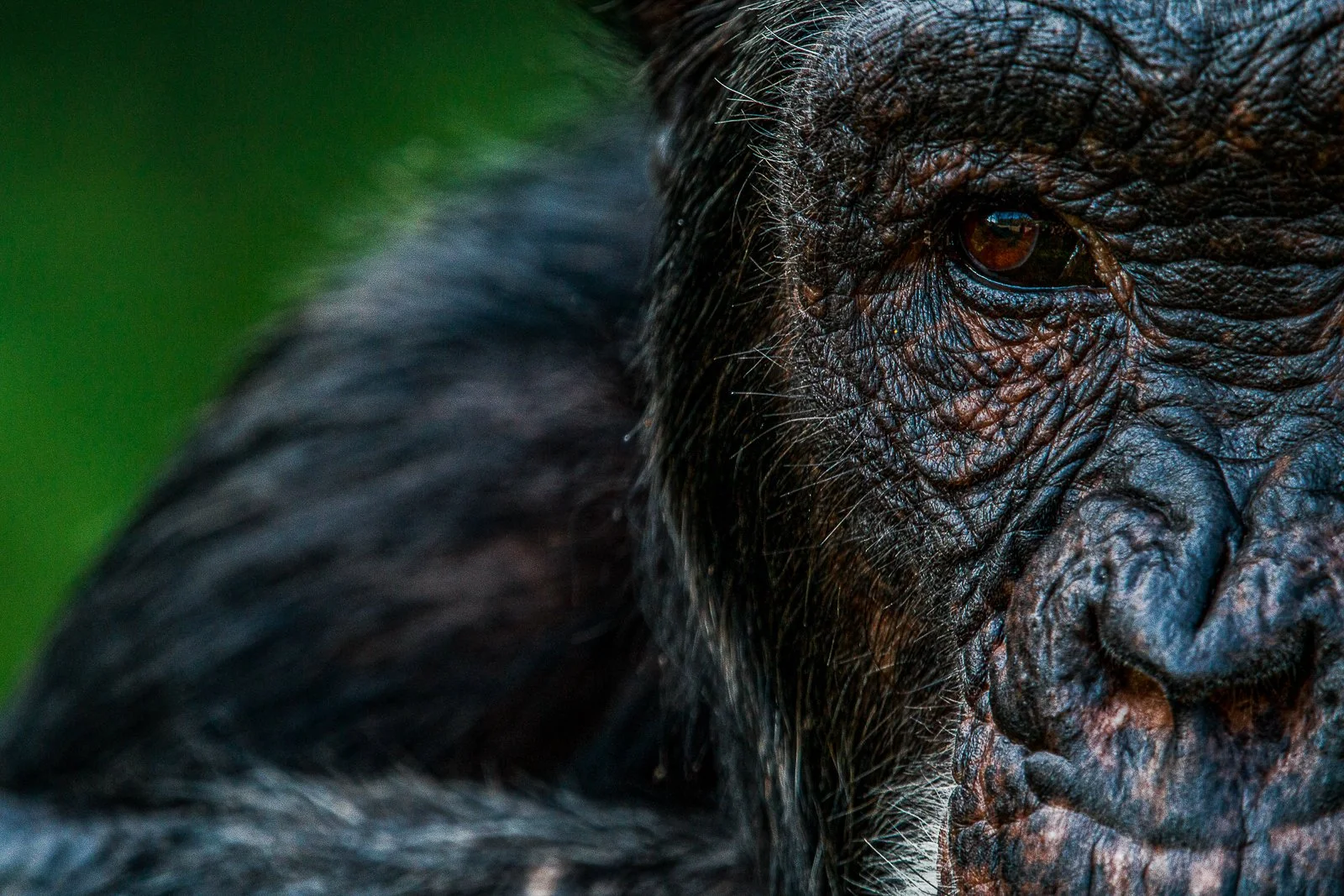
In 2017 I quit my job to commit fully to conservation photography. For two years I kept building even when freelance work was tight. I developed TonyWild, founded the TonyWild Foundation, and in 2019 landed my first major assignment. Since then, my work has taken me from the shores of Lake Jipe with elephants, to the depths of the Indian Ocean, to chimpanzee sanctuaries in Uganda, always with the same mission: to create images that make people care enough to act.
I am also an underwater photographer and diver, I focuses on reshaping African narratives around the ocean, addressing fear-based perceptions of marine life and highlighting the ecological importance of sharks, coral reefs, and coastal ecosystems.
My work has been published in The Guardian, National Geographic, BBC Earth, and CNN. I collaborate with NGOs, research institutions, educators, and Indigenous and local communities across Africa. In addition to storytelling, I contributes to conservation monitoring, evaluation, and research initiatives. My work centers on a core mission: to inspire conservation action by changing how people see and relate to nature.
ITINERARY
ITINERARY
ITINERARY
Physical Rating: Moderate
Accommodations: Participants will stay in a traditional hut where all participants will have an individual bed to sleep in. If you prefer a more private space you may bring your own tent.
DAY 1
Arrival and Connection
….
DAY 2
Travel to Amboseli
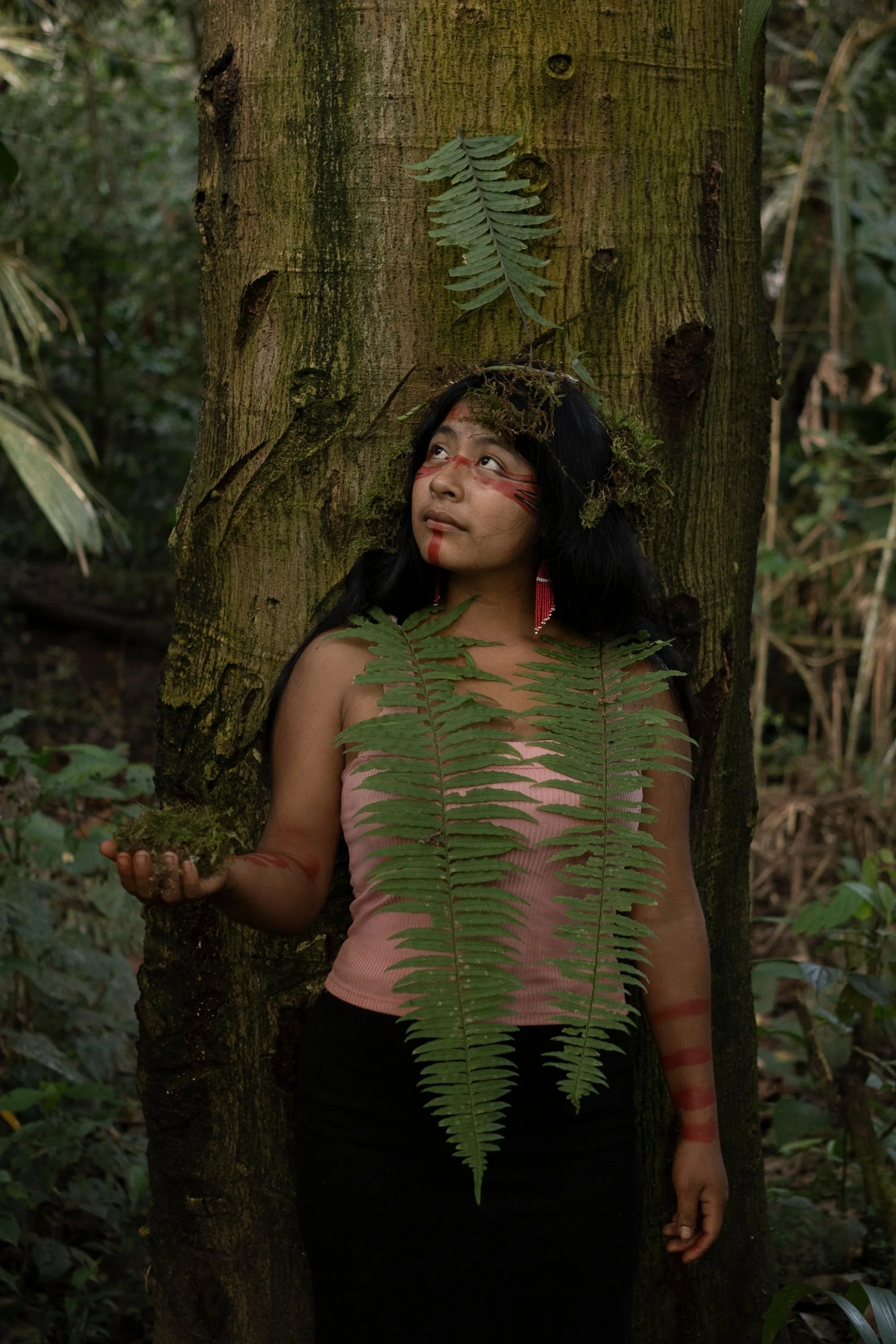
Images by Tatiana Lopez
….
DAY 3
Daily Life
Wake u
DAY 4
Maasai Community Introductions
The
DAY 5
Ancestral Skills
The
DAYS 6 - 8
Safari and Mentorship
Images by Tatiana Lopez
Learning
DAY 9
Closing Ceremony
Join th
DAY 10
Travel Back to Nairobi
On o
DAY 10
Departure April 23, 2027
On o
WHAT'S INCLUDED
WHAT'S INCLUDED
what’s not included
International air fare to/from Nairobi, Kenya and applicable tourist visas or airport taxes.
Medical insurance for travellers (required)
Tips or gratuities
Incidentals (e.g. alcoholic beverages, snacks, souvenirs, etc.) or optional tours or activities (e.g. yoga, massages, etc.)
what’s included
Orientation and tours
Mandatory Ethical Storytelling Certification
All transportation between program activity destinations and to/from all included activities
Accommodations
Some meals are included (please allow $200-400 USD for additional meals, drinks and gratuities)
Staff & experts: Local Staff
My bags are packed. Sign me up!
REGISTER
REGISTER
Please MAKE YOUR DEPOSIT below.
You will be required to make a $1000 USD deposit to secure your space.
Please make sure you are a Professional Member before signing up.
REGISTRATION DEADLINE: MARCH 31, 2027 OR WHEN FULL (MAX 6 PARTICIPANTS–FIRST COME BASIS).
This is a non-refundable, non-transferrable deposit for our Kenya Photo Expedition. This will be used to cover pre-production, coordination and logistics for your journey.
This will be deducted against the total.
FAQ
FAQ
FREQUENTLY ASKED QUESTIONS
1. What are Expeditions?
Expeditions are immersive field opportunities where photographers and visual storytellers travel to work alongside grassroots nonprofit partners around the world. Participants use their photography or video-making skills to create impactful visual stories that support the partner’s mission and programs.
2. Who can participate in an Expedition?
To apply, you must be a professional member of Photographers Without Borders and have experience in photography or video-making. This ensures storytellers are prepared to deliver high-quality work that benefits the community partners.
3. Do I need any specific certifications to go on an Expedition?
Yes. Participants are required to complete the Ethical Storytelling Certification before joining. This certification is included in the logistics/administration cost for those who haven’t completed it yet.
4. Are Expeditions suitable for beginners?
Expeditions generally expect participants to be comfortable travelers with prior visual storytelling experience. Beginners with minimal experience might not be best suited unless they already meet these requirements and the Expedition’s specific criteria. Photographers Without Borders
5. What’s the difference between an Expedition and a Storytelling School workshop?
Expeditions are in-field experiences — travel with community partners, produce real stories for real impact, and work directly with organizations on the ground.
Storytelling School workshops are educational programs focused on building your skills through guided instruction (online or in-person), without the travel/field component.
6. Are there limits on group size?
Yes. Expeditions typically range from 1–6 participants, depending on the specific trip and partner needs.
7. What do participants actually do on an Expedition?
While details vary by trip, duties usually include:
Photographing/documenting local programs and community stories
Creating images or videos that community partners can use for campaigns all year
Potentially contributing to your own portfolio or pitches to media outlets
Every Expedition’s itinerary and focus can differ based on the partner organization’s needs.
8. How long are Expeditions?
Duration varies by specific Expedition. Some may be short (around one week), others may last longer depending on the goals and logistics of the project. (Example: the Sumatra Expedition runs ~10 days).
9. Do I need special gear (e.g., underwater housing)?
There’s no general requirement for specialty gear like underwater housings — gear needs depend on the specific Expedition’s focus and environment. However, you should bring whatever equipment you need to fulfill the visual storytelling goals of that particular trip. Confirm gear needs with the organizers if you’re unsure.
10. What happens to the photos/stories created on the Expedition?
The images and video you make are shared with the community partner, who may use them year-round for advocacy, fundraising, or outreach. You also often gain material for your own portfolio and storytelling practice.
Okay, I’m ready!
OTHER OPPORTUNITIES
OTHER OPPORTUNITIES
OTHER PHOTO EXPEDITION OPPORTUNITIES