IMAGES & WORDS BY KORAL CARBALLO
In Mexico, there is a political-identitarian discourse on mestizaje, which always aspires to be white, erases the diverse origins of the Mexican, and installs a racist narrative that imposes whiteness in contemporaneity. After the Mexican Revolution (1910), the myth of Mexican identity was created— a mixture of indigenous (a name imposed on the different native peoples) and Spanish, hiding other origins and migrations (forced or voluntary), such as African.
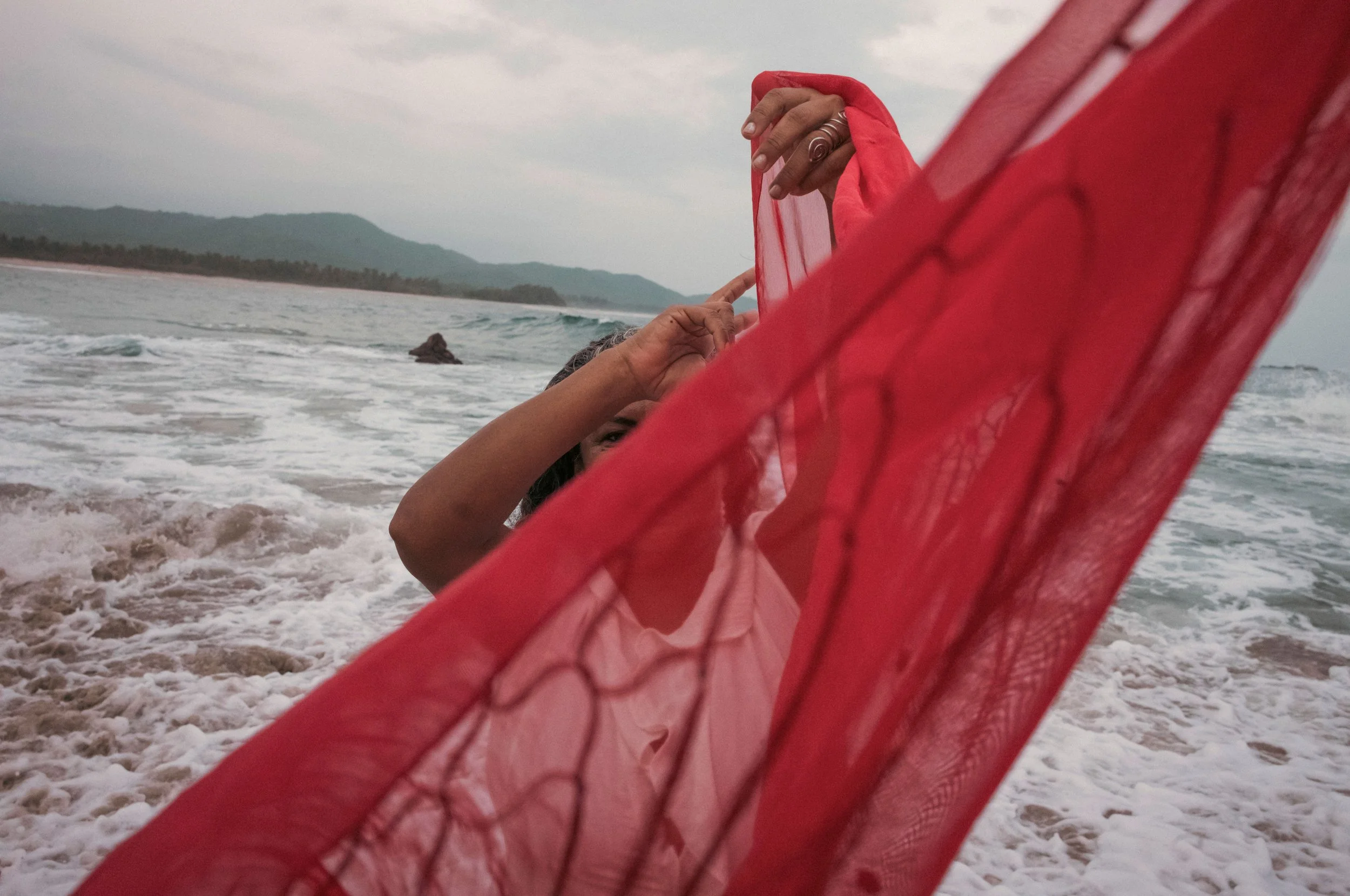
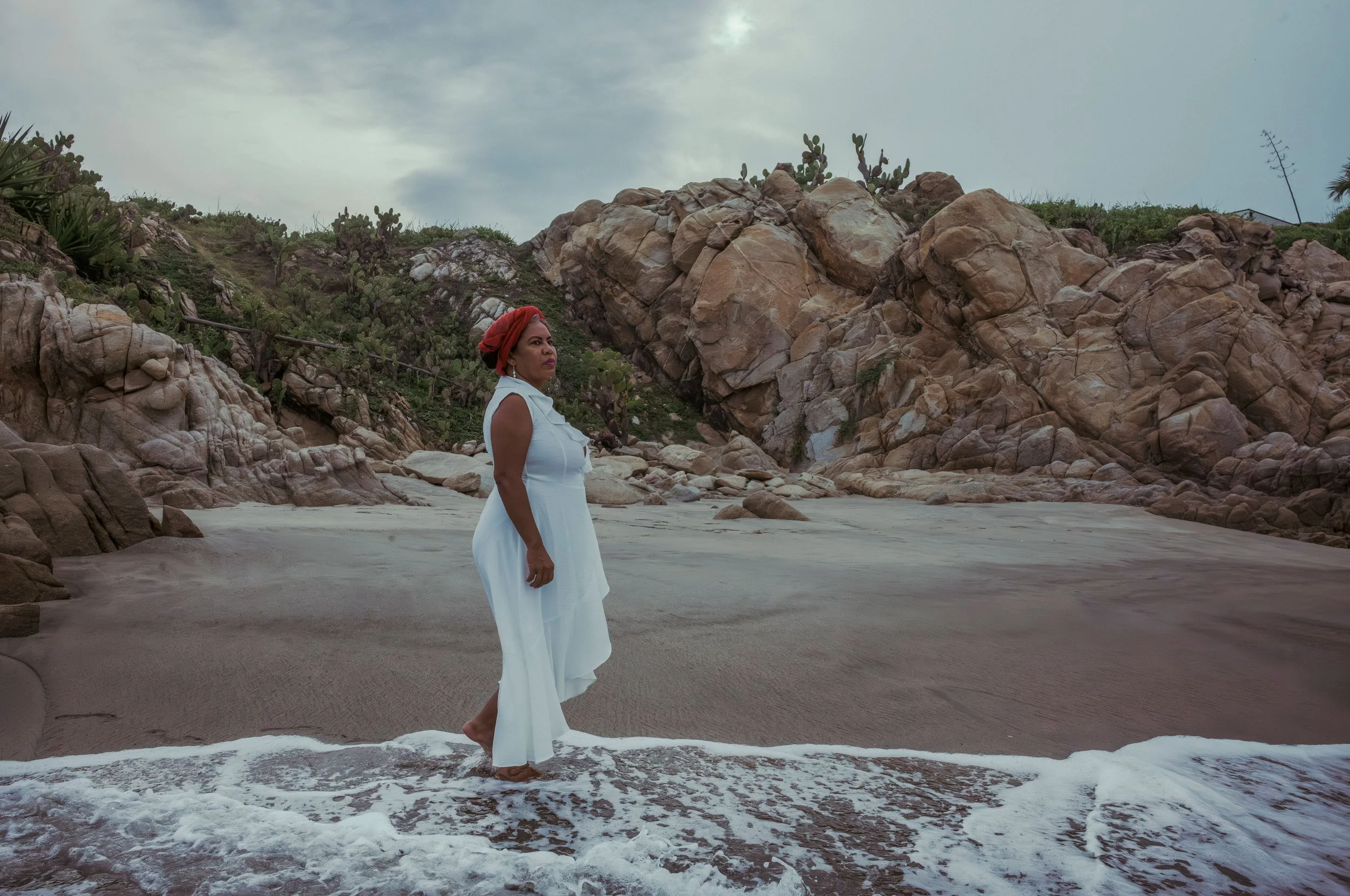
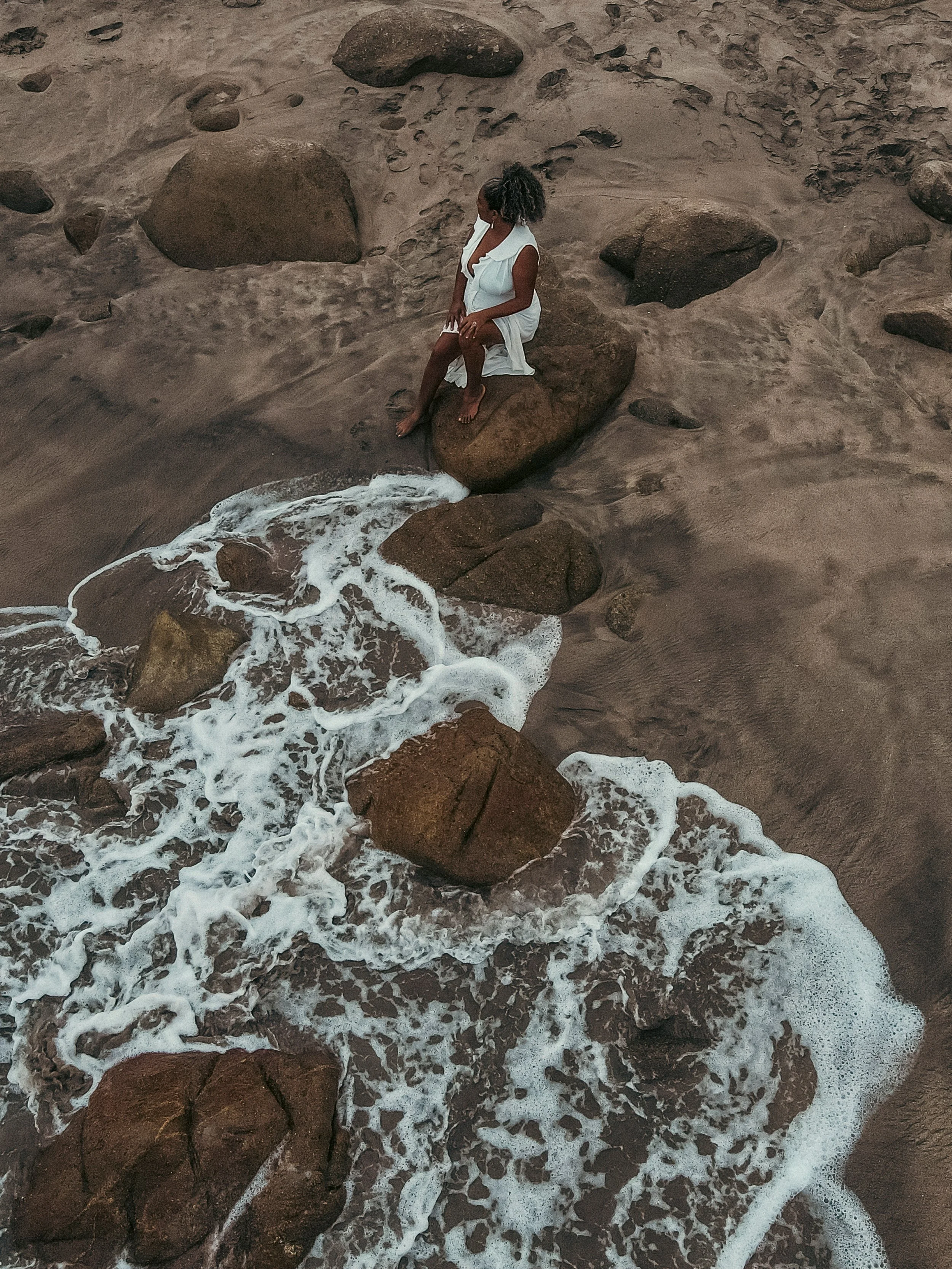
In 2020, as part of the state’s work, the population census was organized. INEGI (National Institute of Statistics,Geography, and Informatics) Mexico reported that 2,576,213 people recognize themselves as Afro-Mexican this represents 2% of the country’s total population.
The small coast of Guerrero and Oaxaca is where 498,297 people who self-identify as Afro-Mexican are concentrated. In this region, it has been studied that it was a region where the African populations were organizing towns or palenques of people who escaped from slavery in the center of the country forming free towns but that with time remained on the margin of the rights.
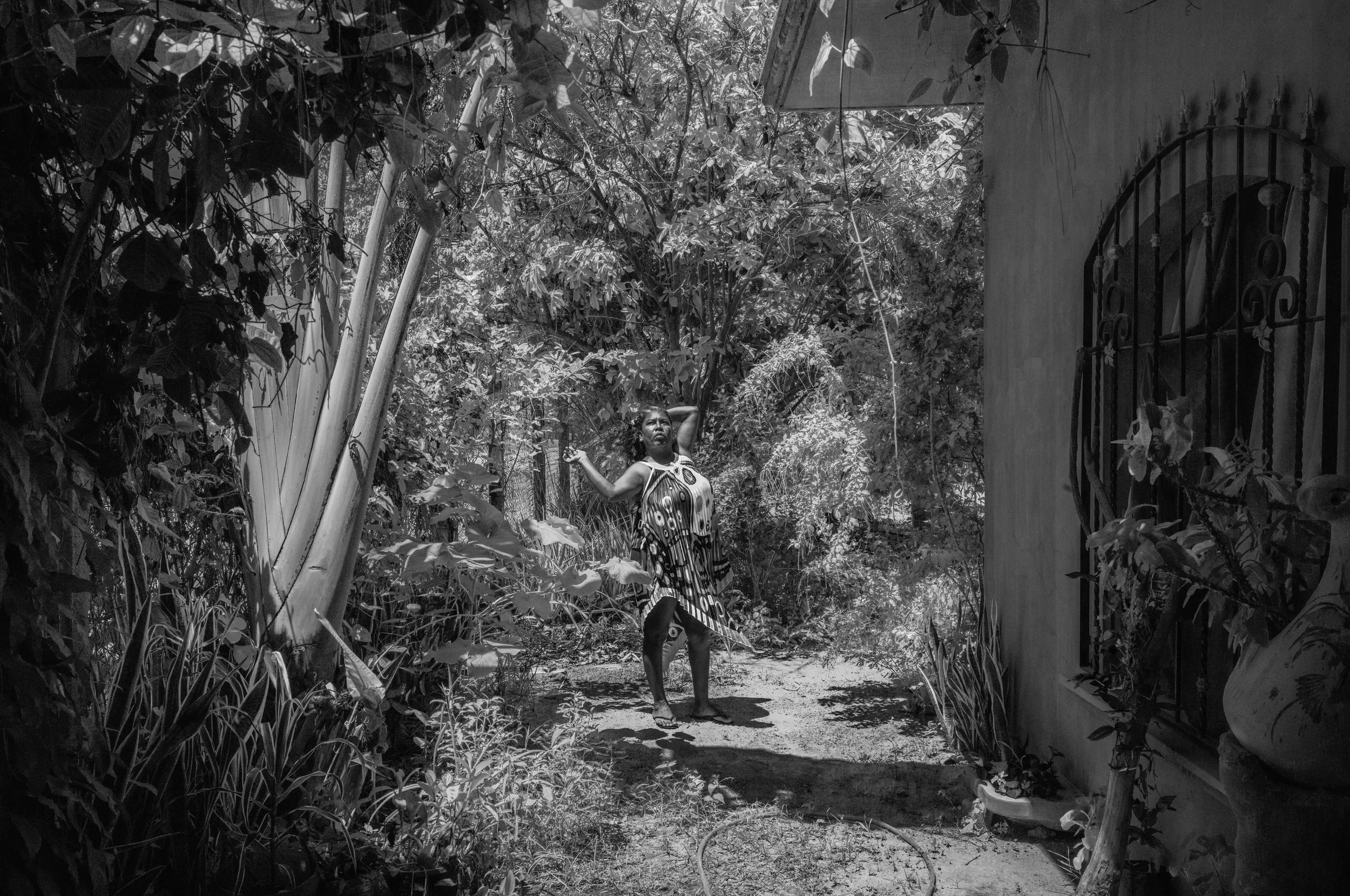
Image by Koral Carballo
In this area of the country, 40 years ago, the Afro-Mexican Political Movement was born, initiated by Glyn Jemmott Nelson, a Catholic priest from Trinidad and Tobago who defended the human rights of Afro-Mexican and Afro-descendant people in Mexico. This struggle emerged with community leaders such as Lucila Mariche, Sergio Peñaloza, YolandaCamacho, Rosa Maria Castro, etc.
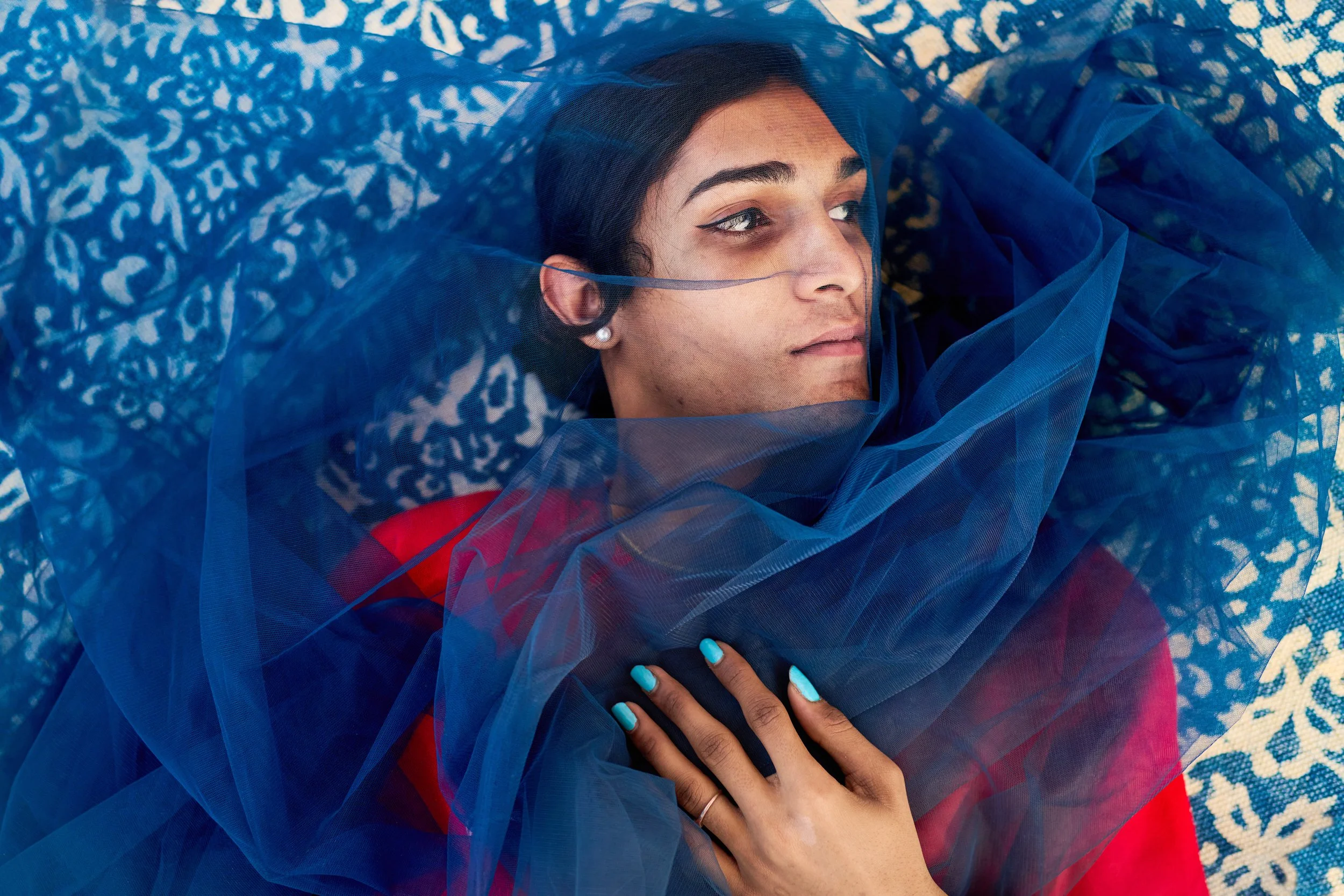
Ña a Tundá means “black woman” in Mixtec, which is one of the many indigenous languages in Oaxaca, México. The Ña a Tundá collective was founded in 2014 at the initiative of Yolanda Camacho, a lawyer trained during her activist career, who has worked for the empowerment of women, the preservation of traditional medicine, and the development of Afro-Mexican memory projects through orality and gastronomy. This collective is formed by Lucila Mariche, Paula Cruz Guzmán, Inés Sorrosa Gazga, Poli Habana, Raquel Gonzáles, Chely Camacho, and Elena Montes.
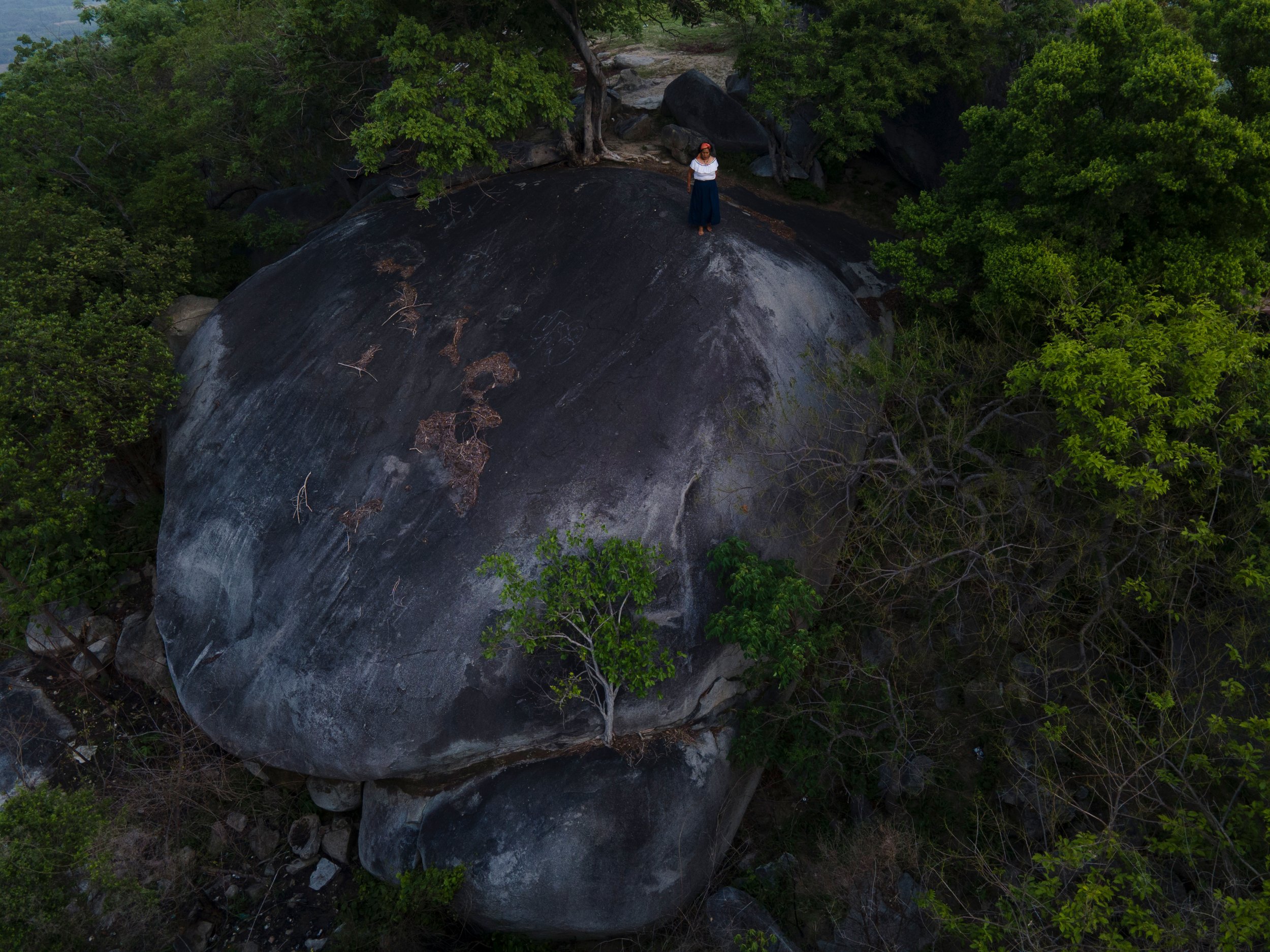
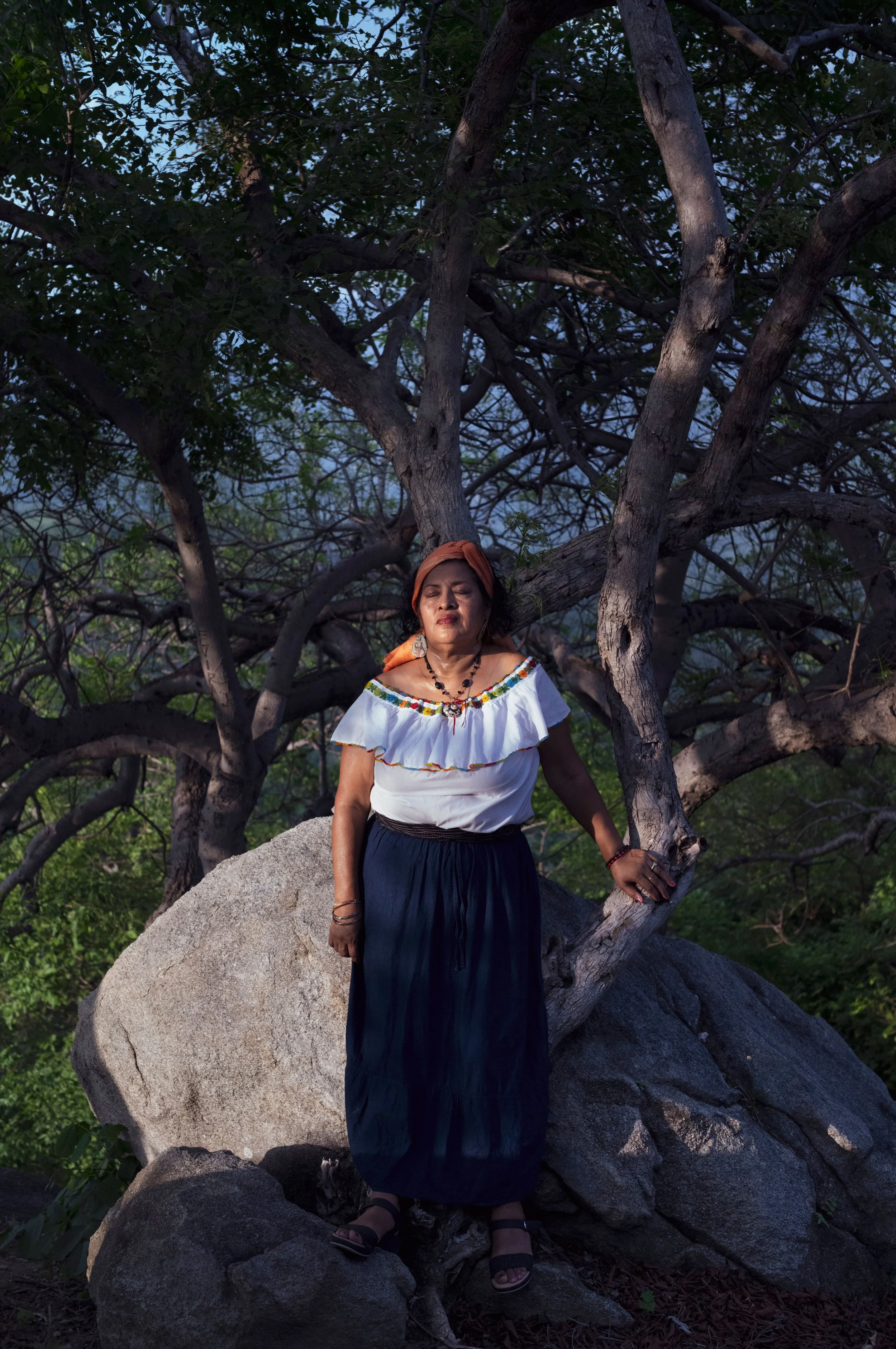

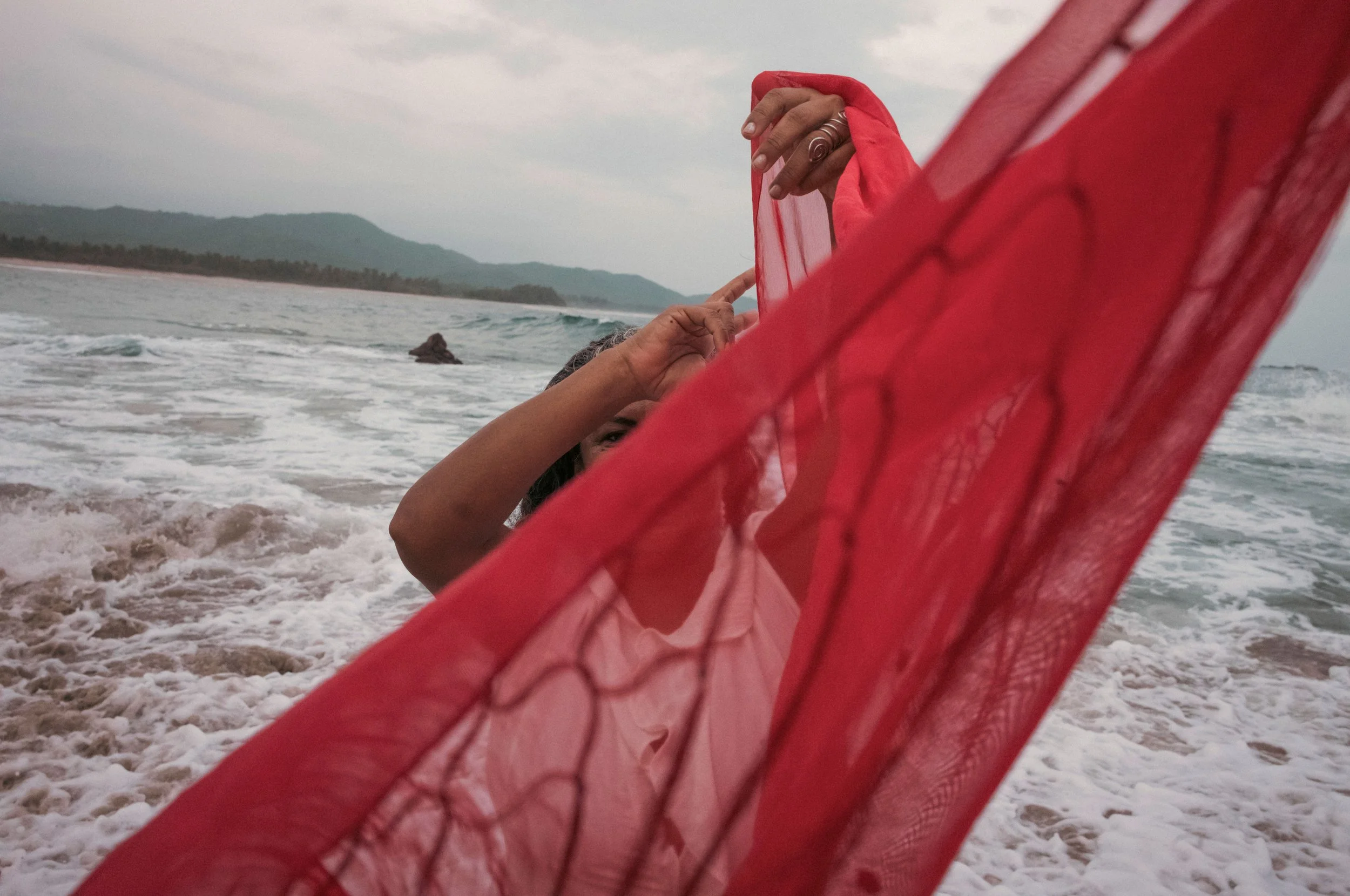
This series documents the collective activities of Ña a Tundá from May to July 2024 at the Afro-Mexican women’s forum in the city of Oaxaca, and the 8th meeting of Afro-Mexican women of African descent in the black community of Mata Clara in Veracruz.
The portraits of Poli Habana were created on the Roca Blanca beach, where Poli feels a connection with her ancestors. Yolanda Camacho chose the Yucudza hill (from Mixtec: Yukú Saa ‘Hill of the bird’), emblematic place for its also indigenous origin that is part of the four major kingdoms (Coixtlahuaca, Nuu Tnoo Huahui Andehui, Tlaxiaco and Tututepec) of the Mixtec Region, nestled in the so-called Coastal Mixteca.
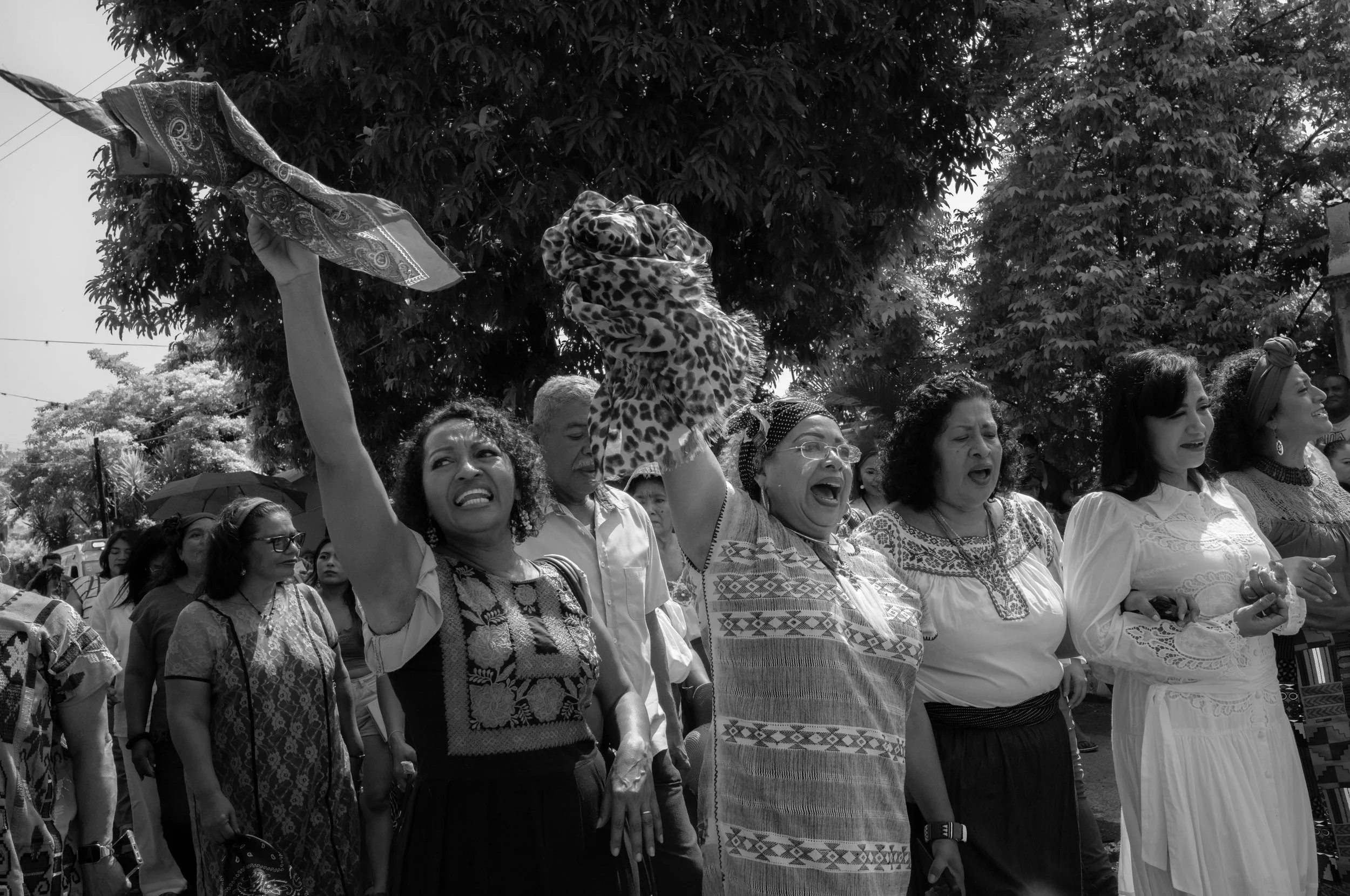
Image by Koral Carballo
This documentation is part of a chapter titled “Resistance.” This is a narrative to get to know the people who are building hope in this world, with a focus on the women who–everyday–fight, organize, and make an impact in their daily lives to build amore equal Mexico.
"Being an Afro-Mexican woman is strength. To be a black woman is to be a leader, because we have been fighting all the time, we continue to fight against so much racism in the family and in society. It is to be a struggle in this country of which we have contributed so much, we have demanded that we be counted, that we be listened to and that the federal government fulfill its commitments, in order to move forward and provide a better future for the Afro-Mexican children of the present and the future." - Poli Habana
Koral Carballo is a recipient of PWB’s Revolutionary Storyteller Grant.
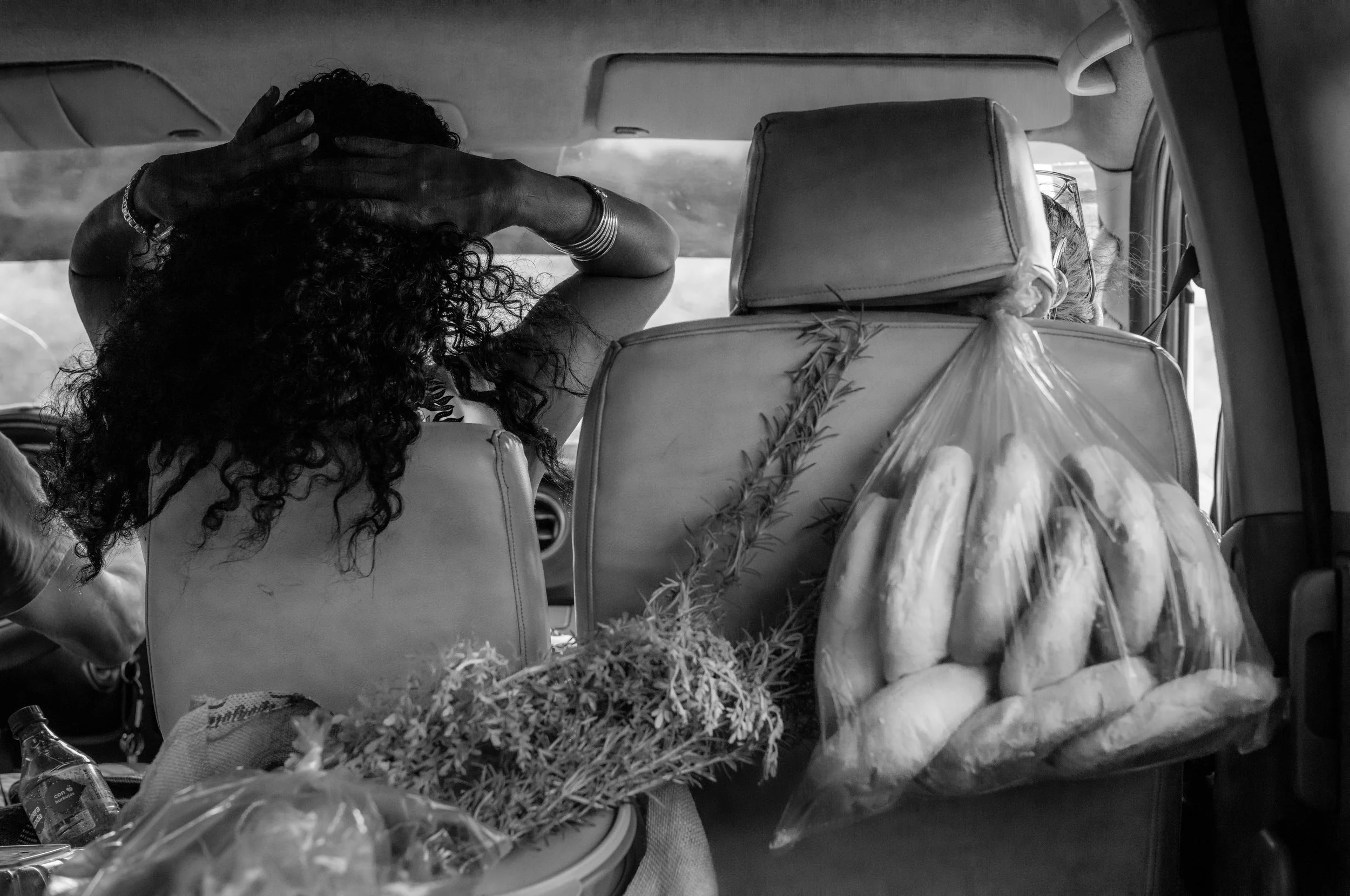
Image by Koral Carballo