
IMAGES & WORDS BY WILL ALLEN DUPRAW
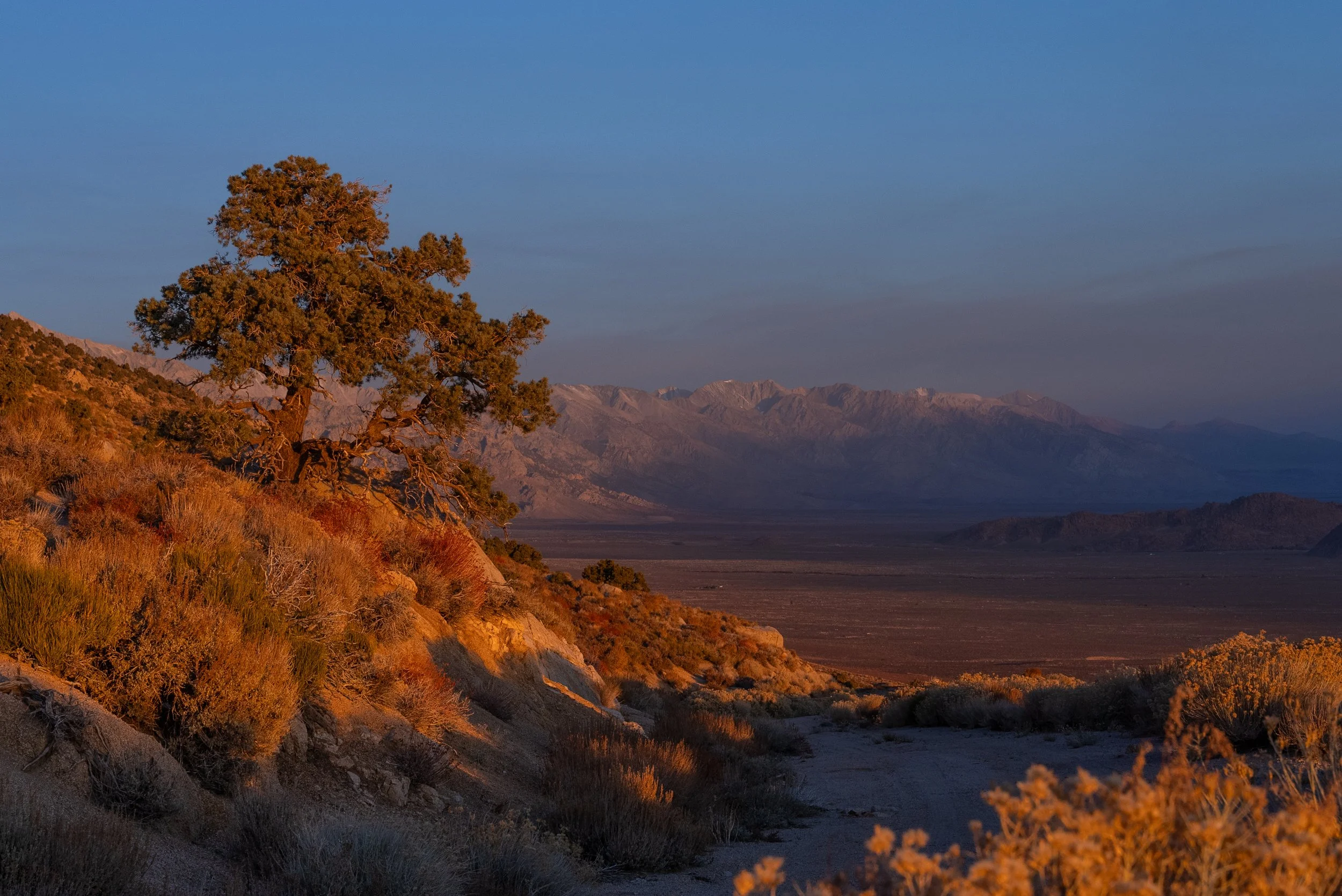
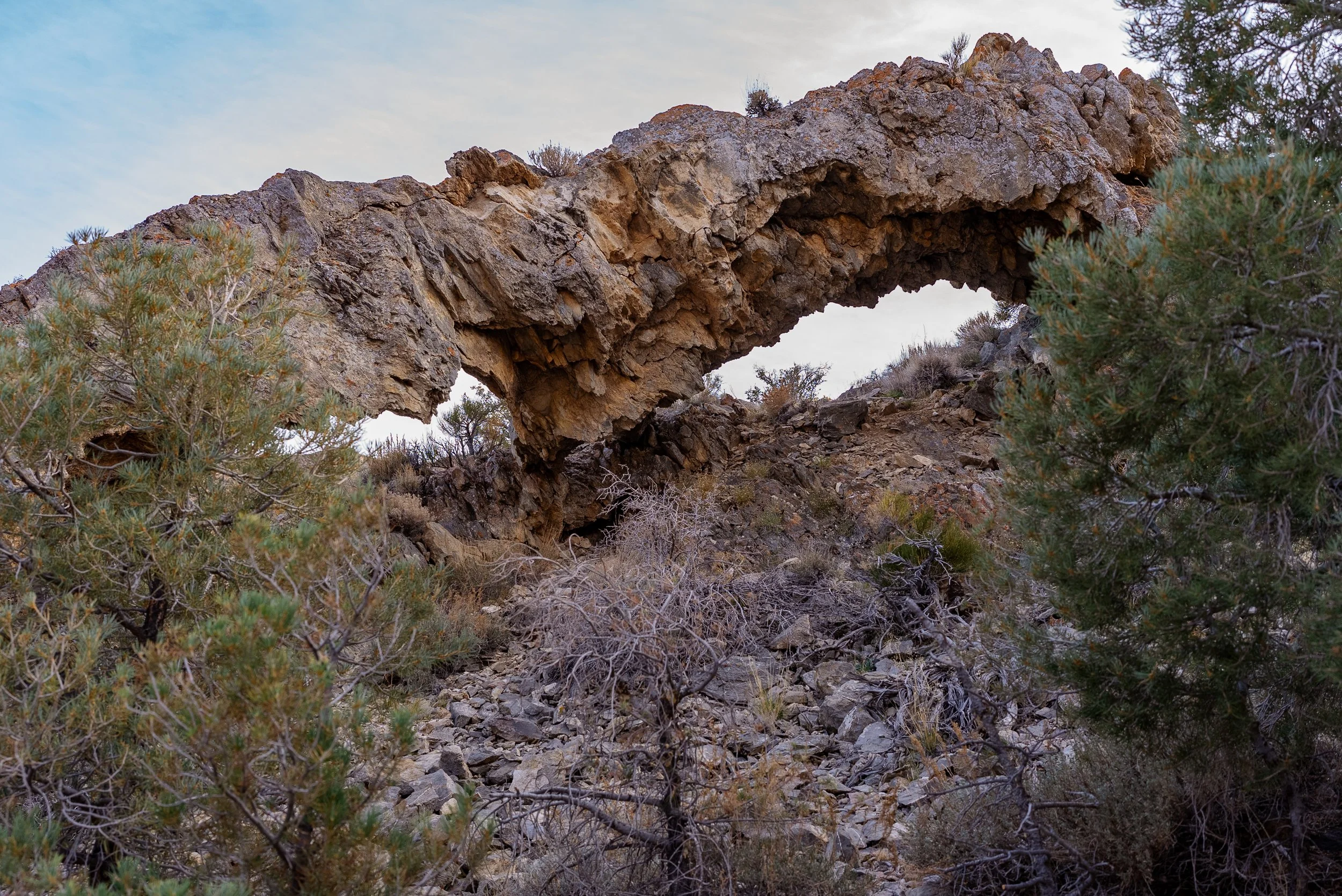
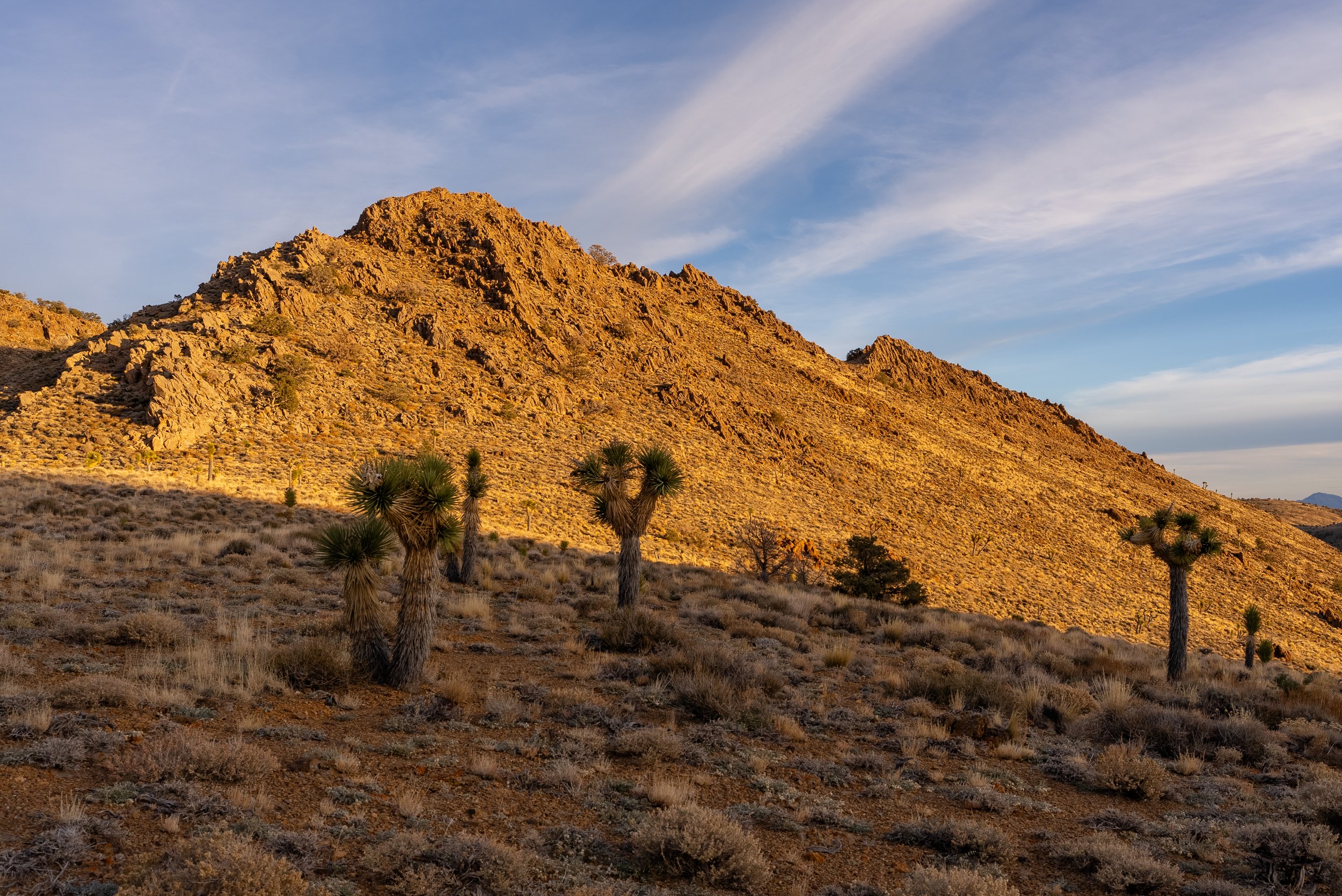
Conglomerate Mesa, a near-pristine landscape in the Inyo Mountains of Eastern California, is threatened by exploratory gold mining by the Canadian company, K2 Gold. This landscape has been marred by mining for centuries, since the first wave of gold miners arrived in the mid-1800’s. Since then, the region has seen its natural resources depleted and carried away to cities and countries far away.
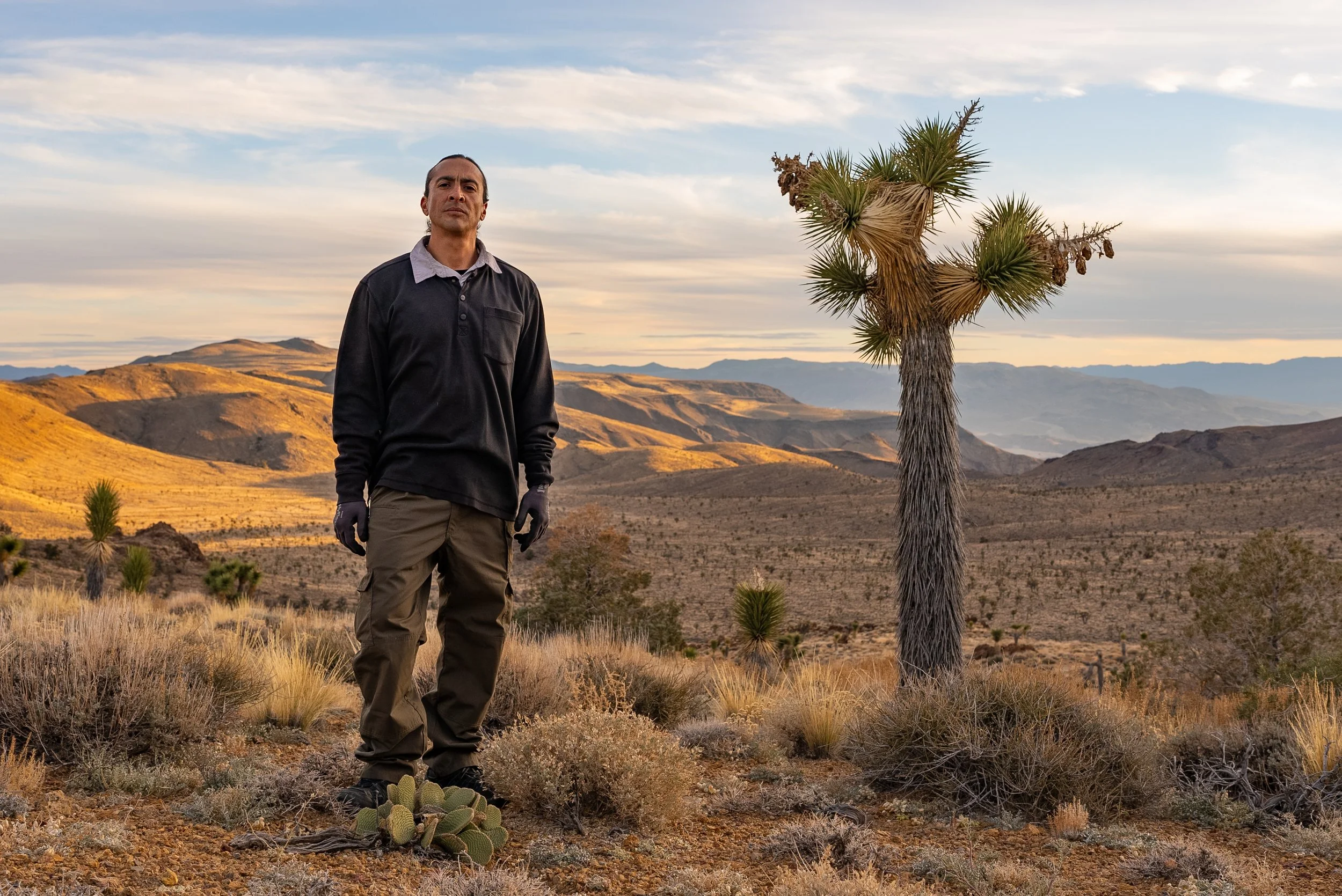
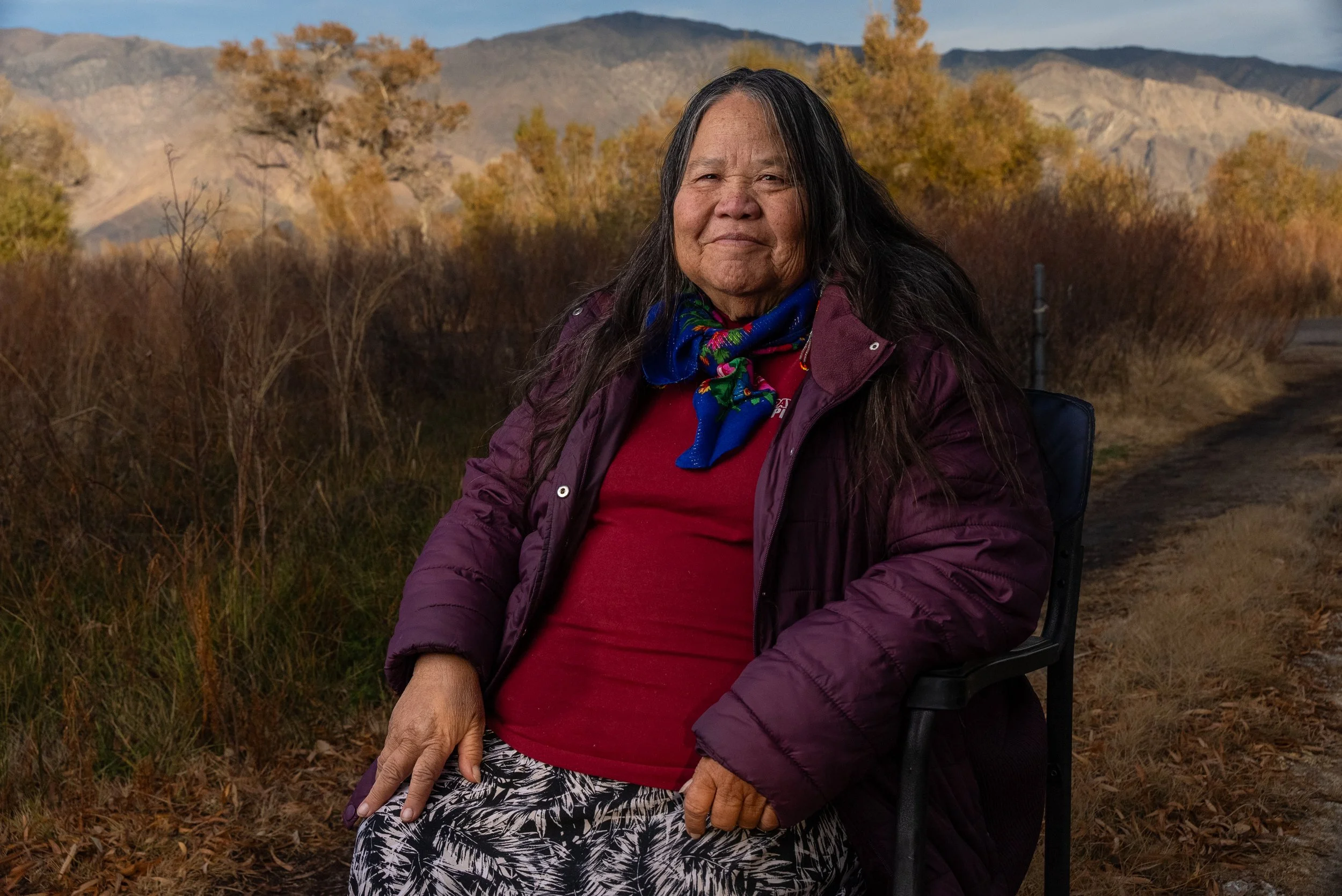
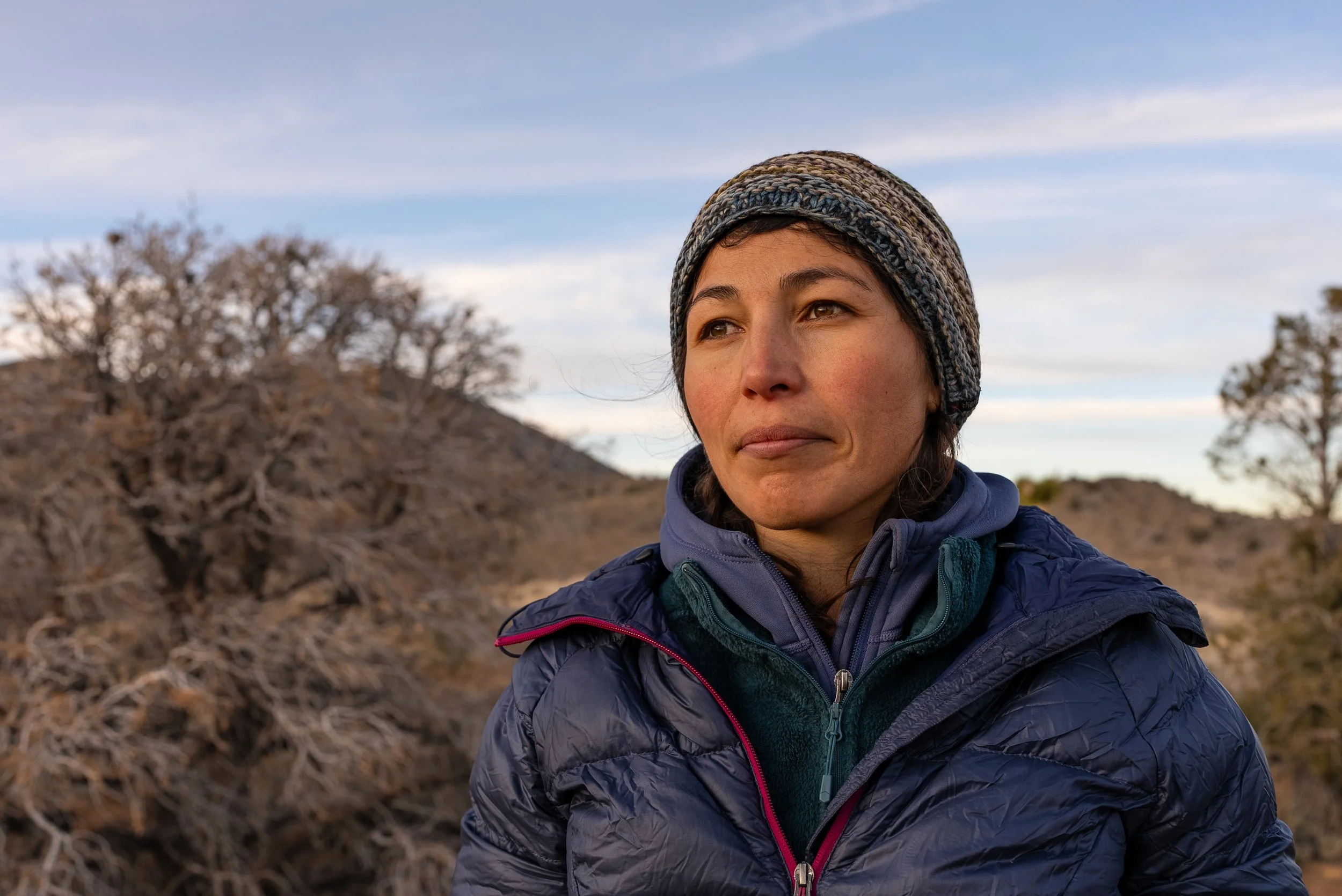
Portrait of Jeremiah Joseph with a Joshua Tree. Jeremiah is a member of the Lone Pine Paiute tribe and a steward of the land.
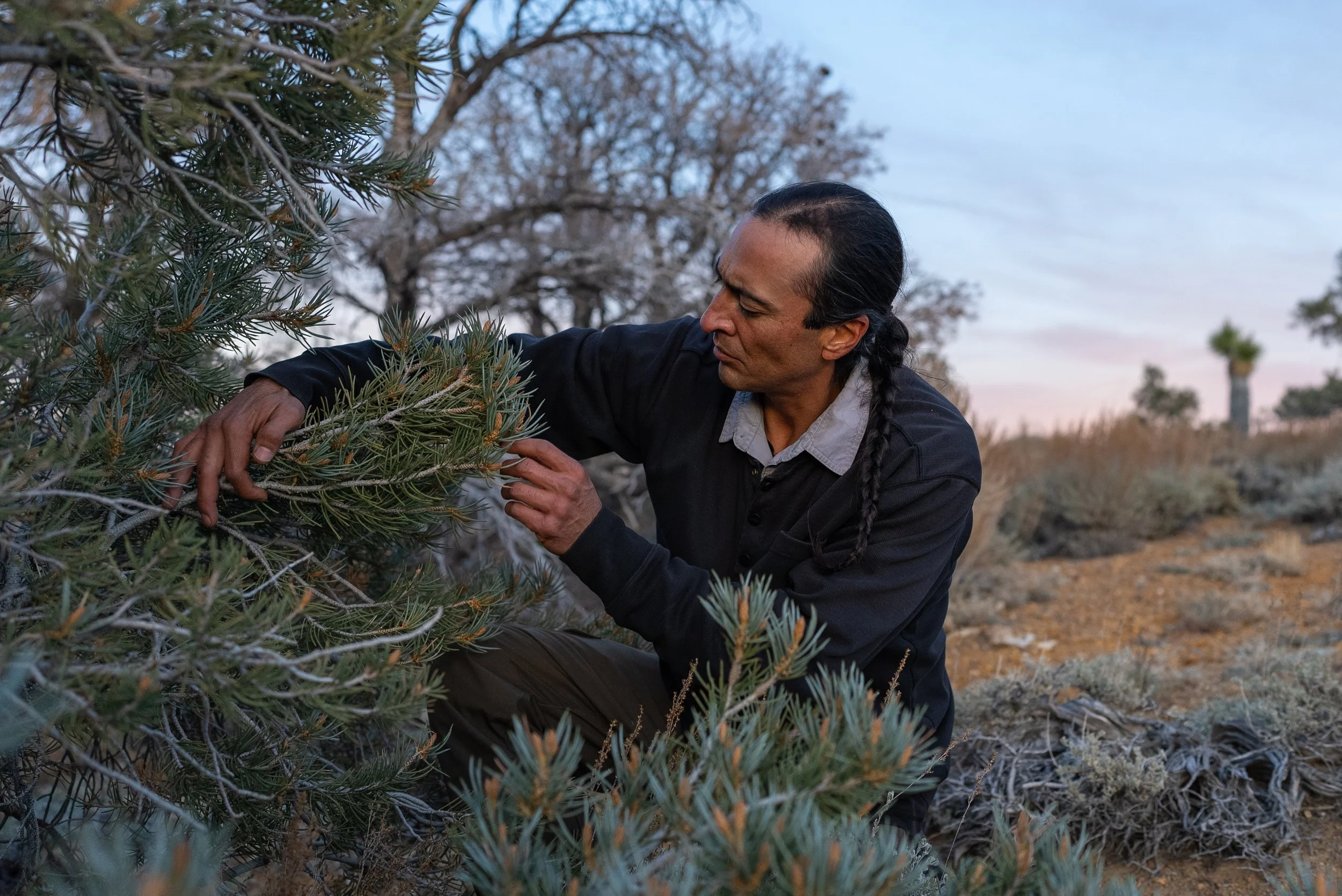
Once, the mountains were covered in pinyon pine trees, which sustained the indigenous people of the area with their seeds. But they were cut down in droves to make charcoal to fuel the furnaces of those early miners. The waters of the Owens River, which once flowed freely through the region’s mountains and valleys, is now siphoned away to Los Angeles, leaving only a barren lake bed where once there was a balanced ecosystem.
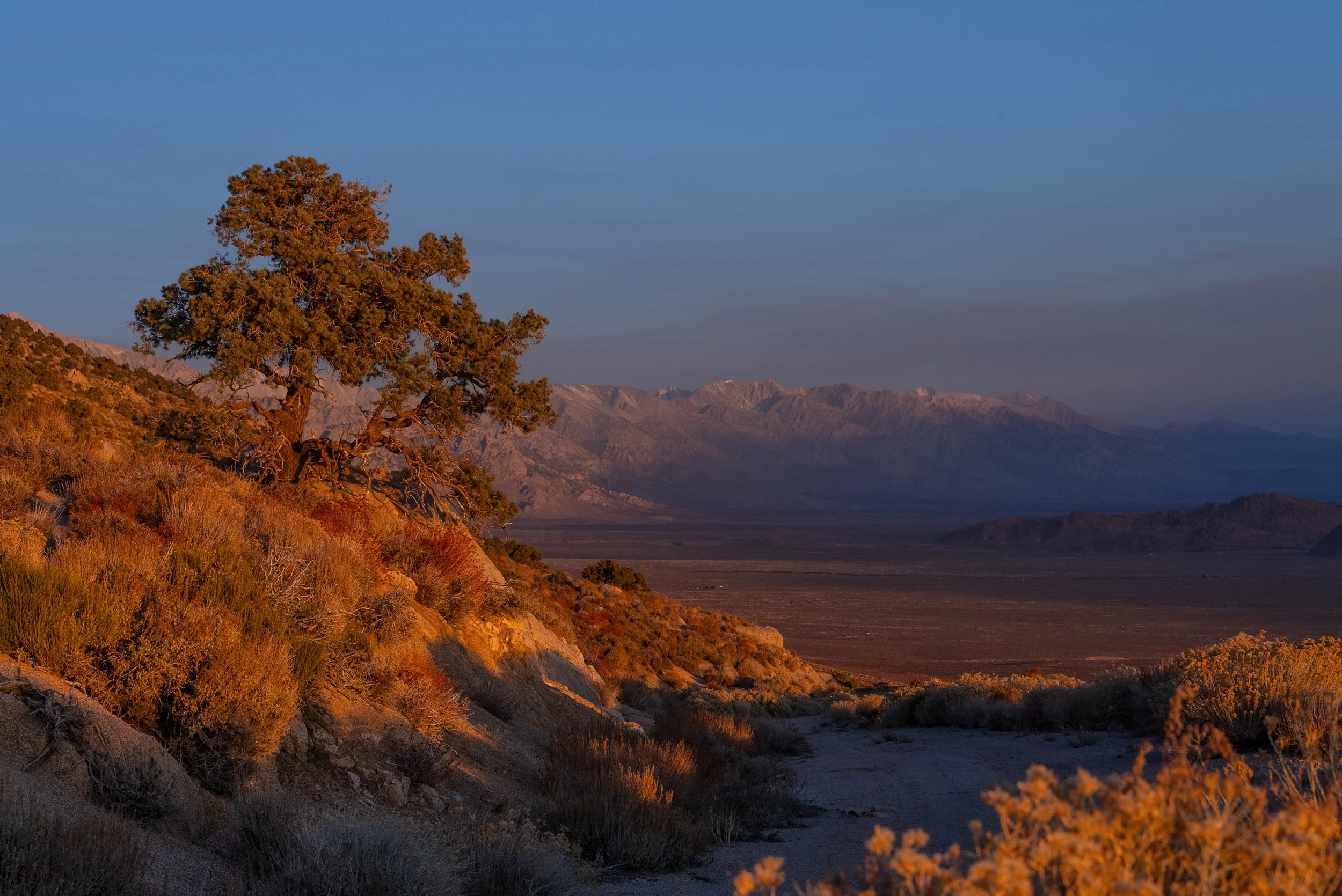
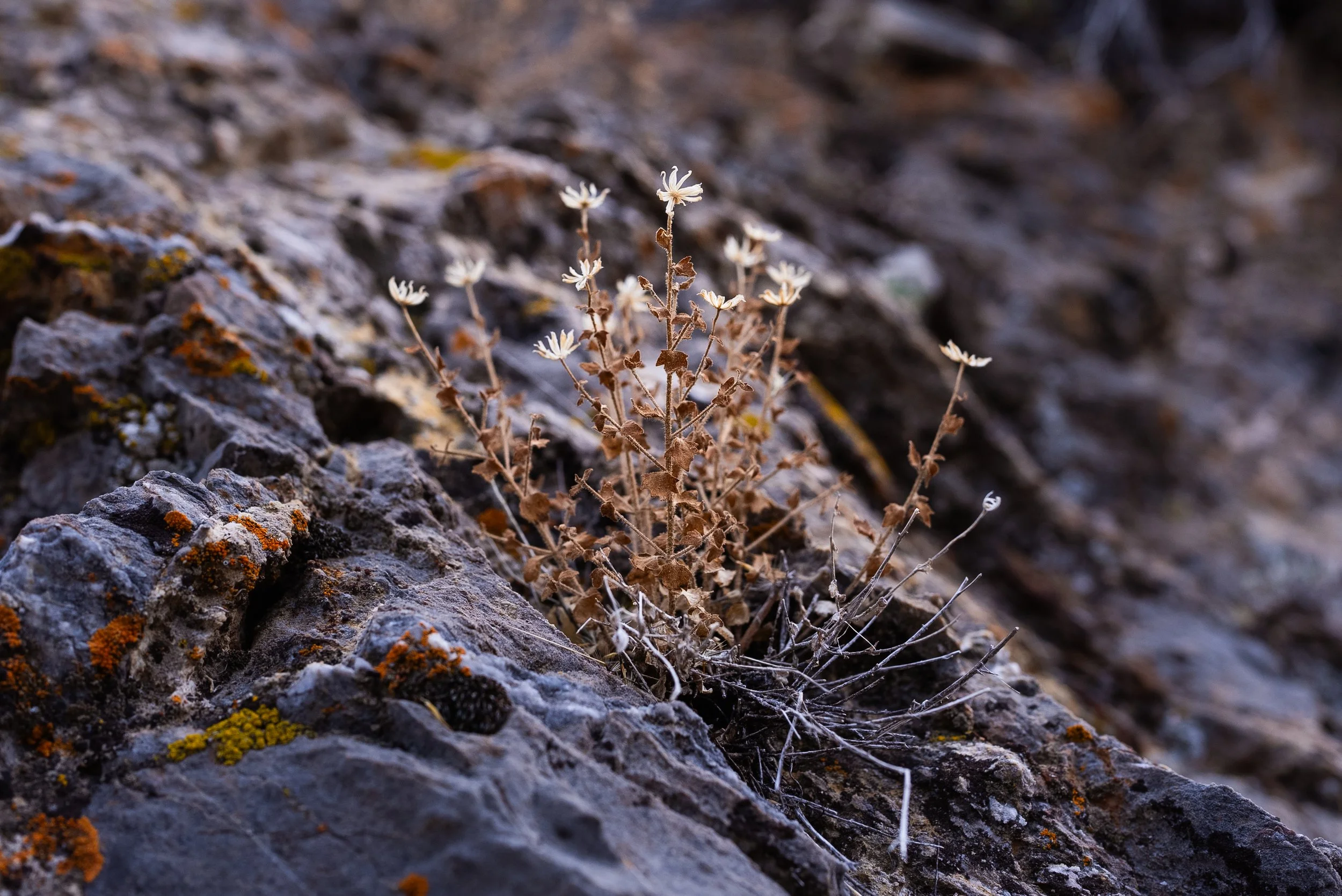
Presently, Conglomerate Mesa hosts multiple threatened plant species, including the legendary Joshua trees and the newly discovered Inyo Rock Daisy, which is found no place else. It is also a site of sacred significance to the Paiute, Shoshone, and Timbisha tribes, indigenous peoples who have lived in the area for thousands of years.
However, the mesa is located on federal land administered by the U.S. Bureau of Land Management (BLM). As such, it is subject to the mining law of 1872, which allows corporations to mine public lands for precious minerals so long as doing so would generate more value than agriculture. Corporations that mine public lands are not required by this law to compensate the U.S. Treasury, nor are they required to fill in open pits, remove roads, or clean up tailings once they cease operations.
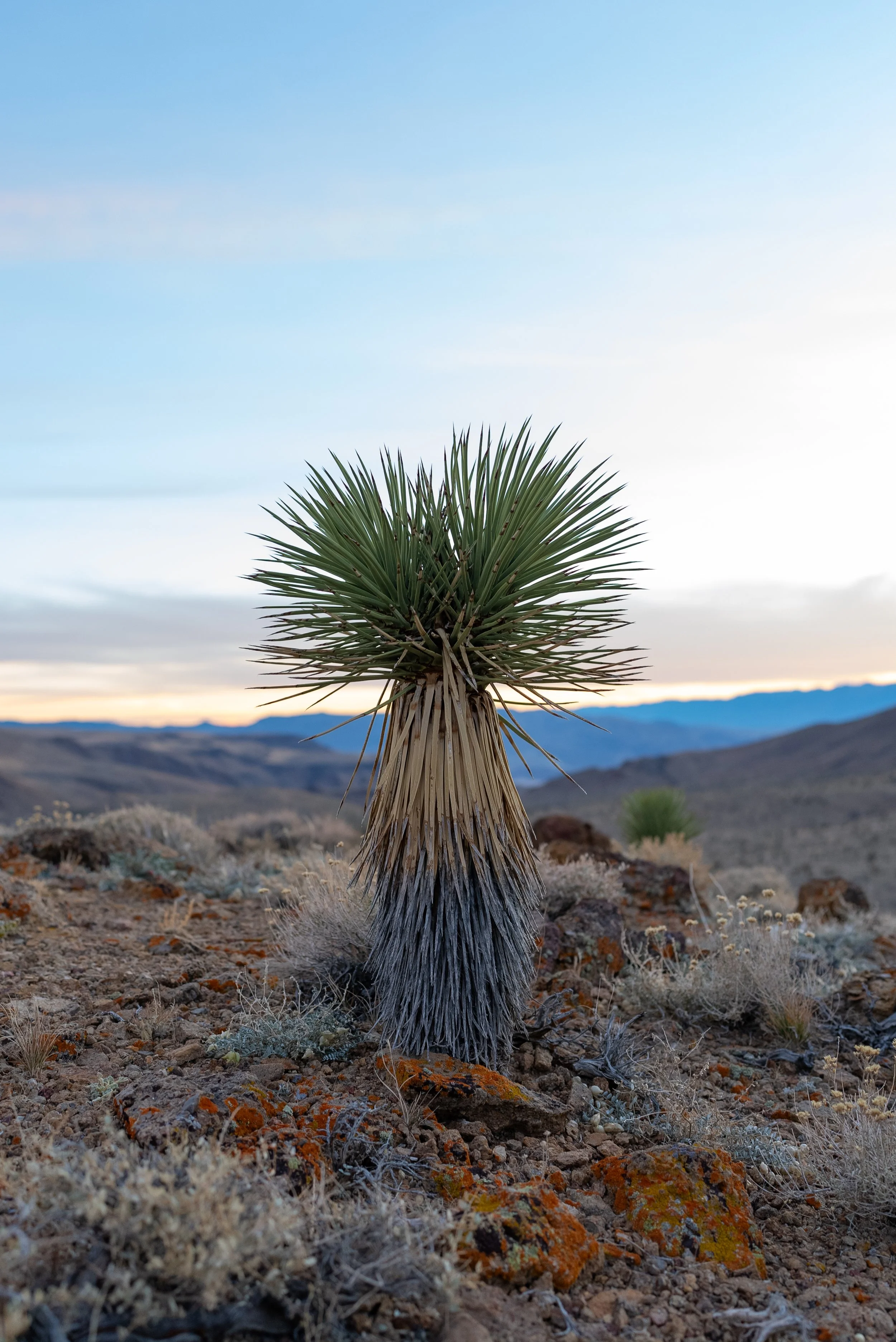
A juvenile Joshua tree stands atop Conglomerate Mesa. As climate change alters their historic habitat further south, Joshua trees have been slowly migrating northward into the Inyo Mountains where they are currently thriving. However, should the plans to mine Conglomerate Mesa proceed, hundreds of Joshua trees would be destroyed.
While contemporary mining activities have been limited to exploratory drilling so far, the ultimate goal of these endeavors is to transform the site into a cyanide heap leach mine. It would necessitate the excavation of nearly the entire mesa, marring the landscape forever. In response to this threat, groups including the local tribes, environmental organizations, and concerned citizens have formed the Protect Conglomerate Mesa movement, urging the government to halt further mining of the area.
However, the ultimate fate of the mesa is uncertain. Friends of the Inyo, a non-profit whose mission is to protect and care for the land and water of the Eastern Sierra, for instance, would like to see Conglomerate Mesa become a National Monument, giving it greater federal protection. The Lone Pine Paiute Shoshone tribe has expressed interest in administering the land themselves.
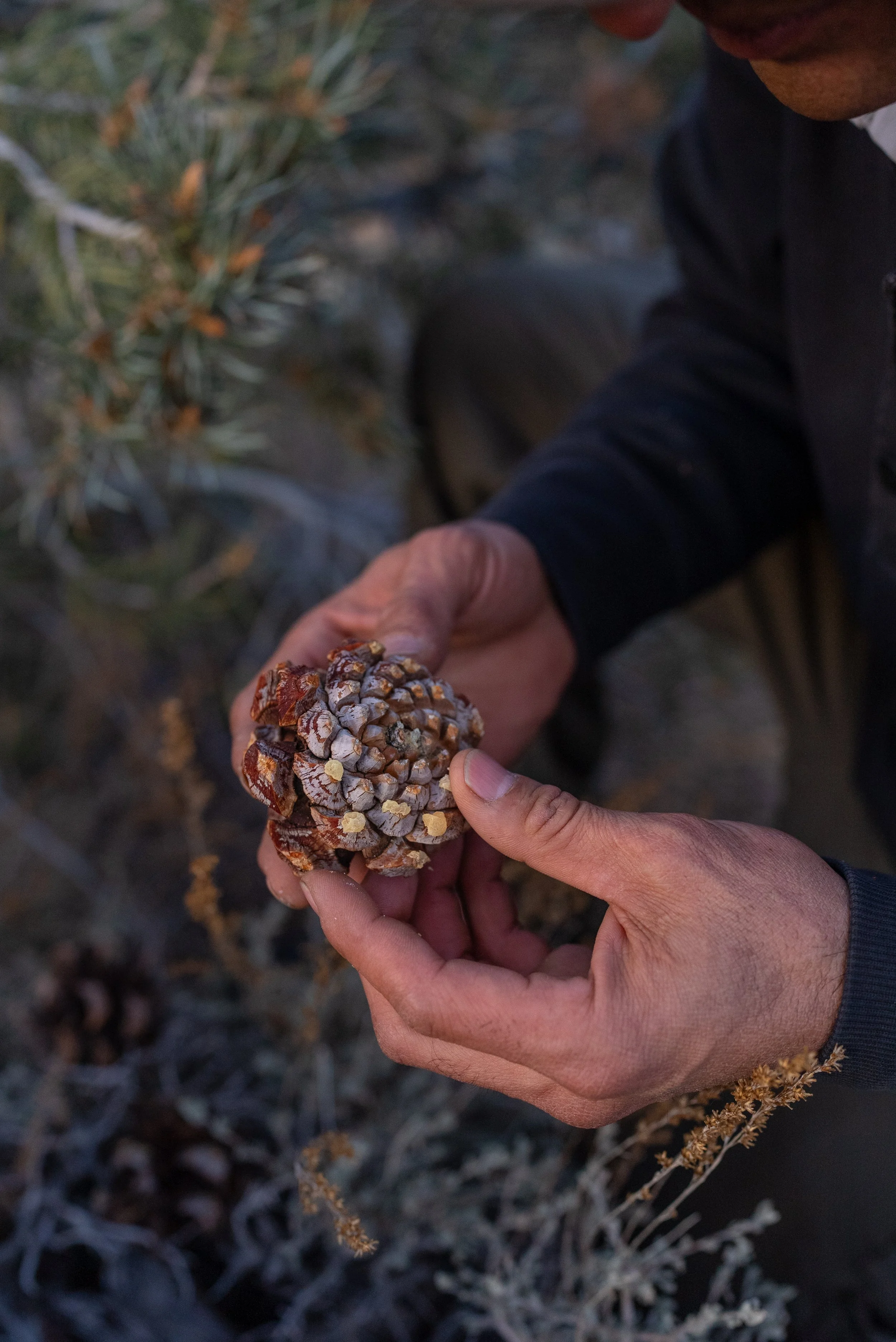
Jeremiah Joseph examines a pine cone from a pinyon pine tree. These trees once covered Conglomerate Mesa centuries ago, and their seeds served as a staple food source for the indigenous people who lived there.
Critics of the mining operations are awaiting the release of an updated Environmental Impact Statement (EIS) from the BLM, which will determine future uses of the land. Initially slated for release in late 2023, the updated EIS has been pushed back multiple times and remains in limbo.
In October of 2024, The Center for Biological Diversity filed a lawsuit against the U.S. Fish and Wildlife Service for failing to protect the Inyo rock daisy, which is listed as threatened under the California Endangered Species Act but is does not have a federally recognized status. A status shared by innumerable tribes across the Americas.
The story of Conglomerate Mesa is not unique, it is tragically representative. It is my hope that through this project, more people will be made aware of the threat that mining poses not just to Conglomerate Mesa, but to sacred lands all over the world
Will Allen Dupraw is a recipient of PWB’s Micro-Grant.