
IMAGES AND WORDS BY Ebrahim Alipoor
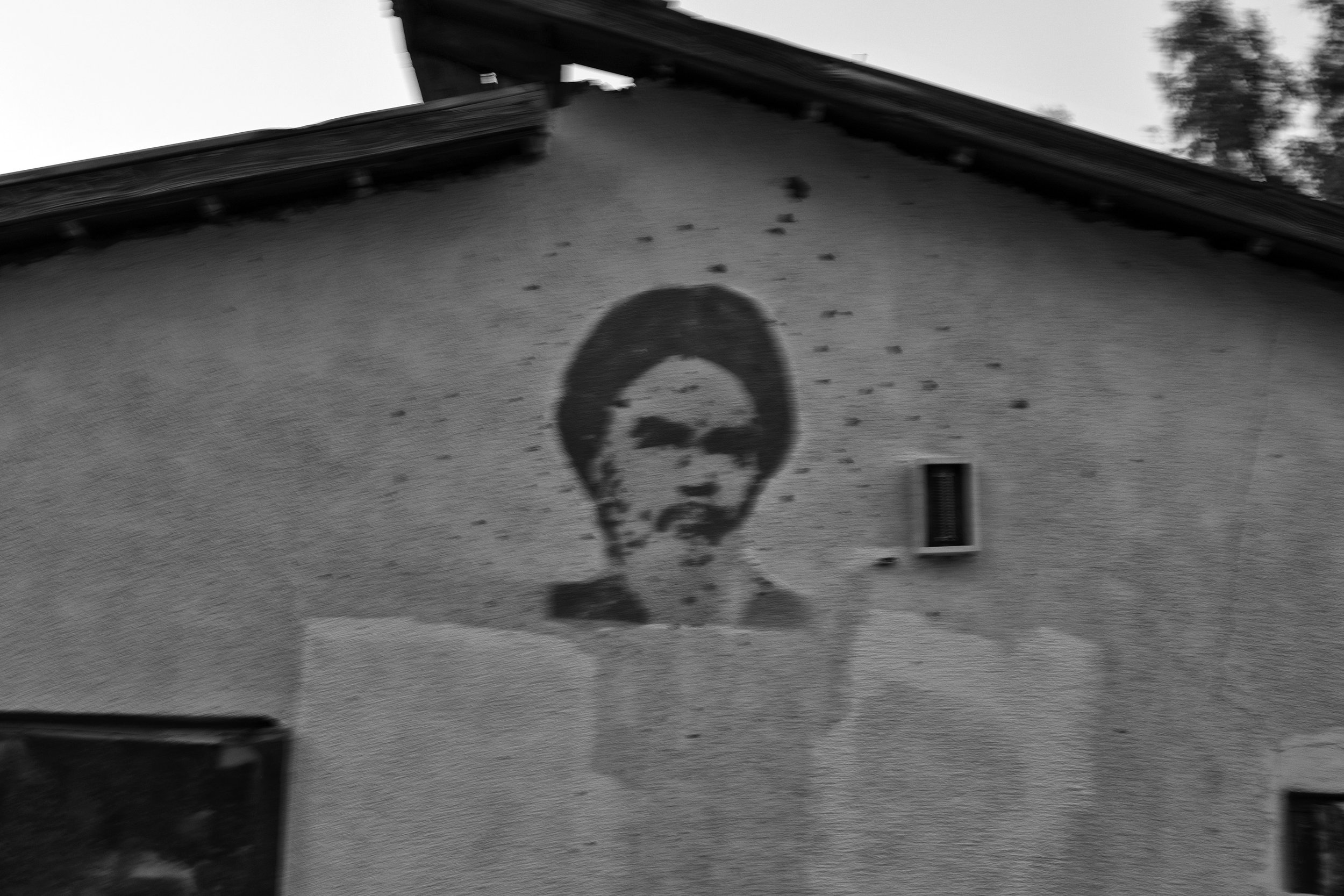
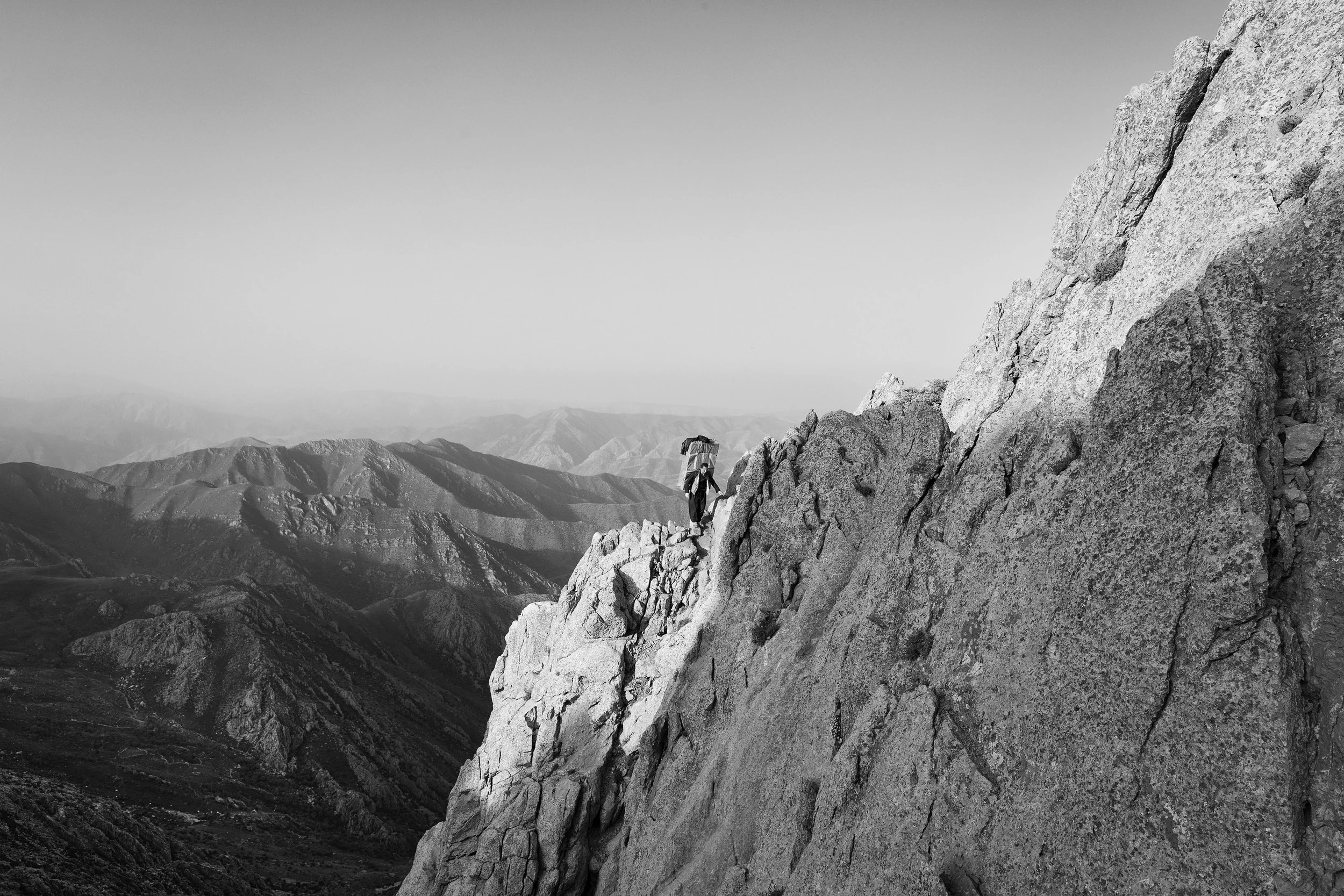
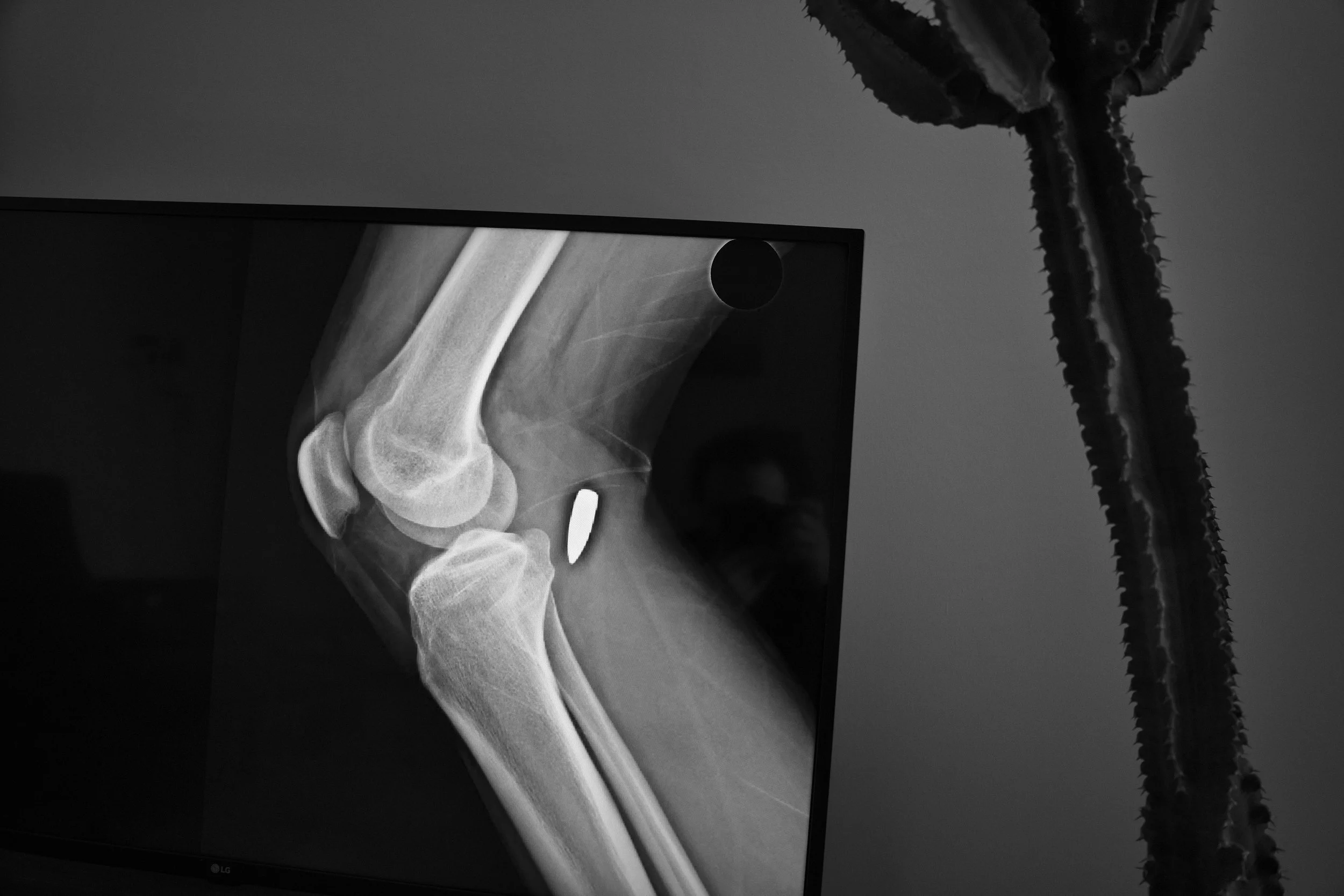
Description: After the 1979 revolution in Iran, the government banned a lot of goods for exportation and importation with authorities confiscating them at border crossings. Kolbari has emerged as an occupation as a result of these policies and severe economical hardships in Kurdistan over the past 40 years. According to unofficial reports, only 0.5% of Iran's smuggling is done by Kolbars, while thousands of people have lost their lives in this way, many of them killed by border patrol direct shootings. Iran, Dec 2024.
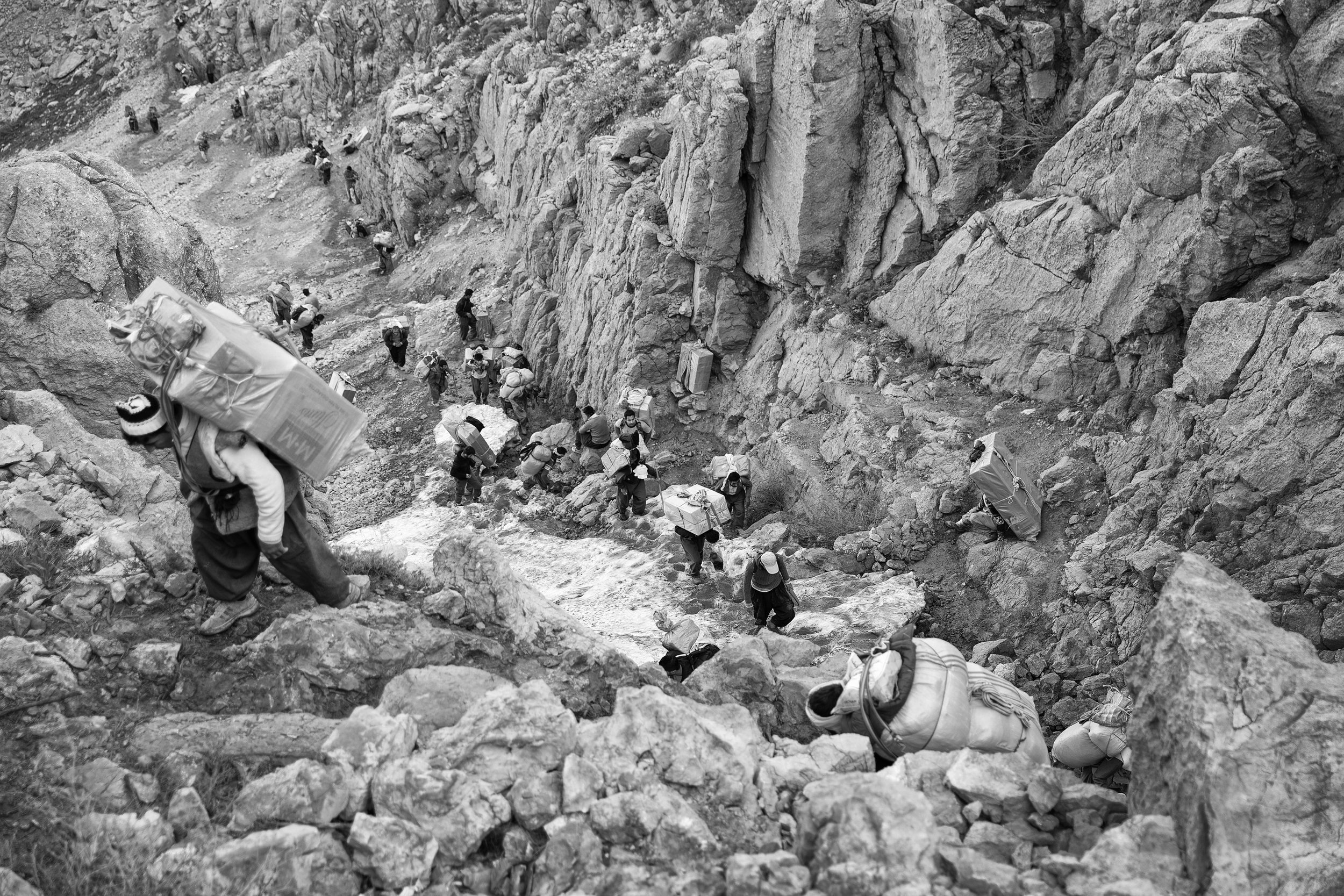
In the Kurdish regions of western Iran, the term koolbary is used to describe carrying goods across the border on one’s shoulders in exchange for a small amount of money. Known as kolbars, these porters move between Iran and Iraq through mountainous routes shaped by poverty, unemployment, and limited economic opportunities. For many, this work is not a choice but a necessity for survival.
Most kolbars operate in the Zagros Mountains along the Iran–Iraq border, where harsh environmental conditions make every journey dangerous. As a result of customs laws and restrictions following the revolution, the importation of certain goods—such as electrical items, electronics, and clothing—has been limited, and transporting them through informal routes is considered smuggling. Despite this, many people depend on this work to support their families.
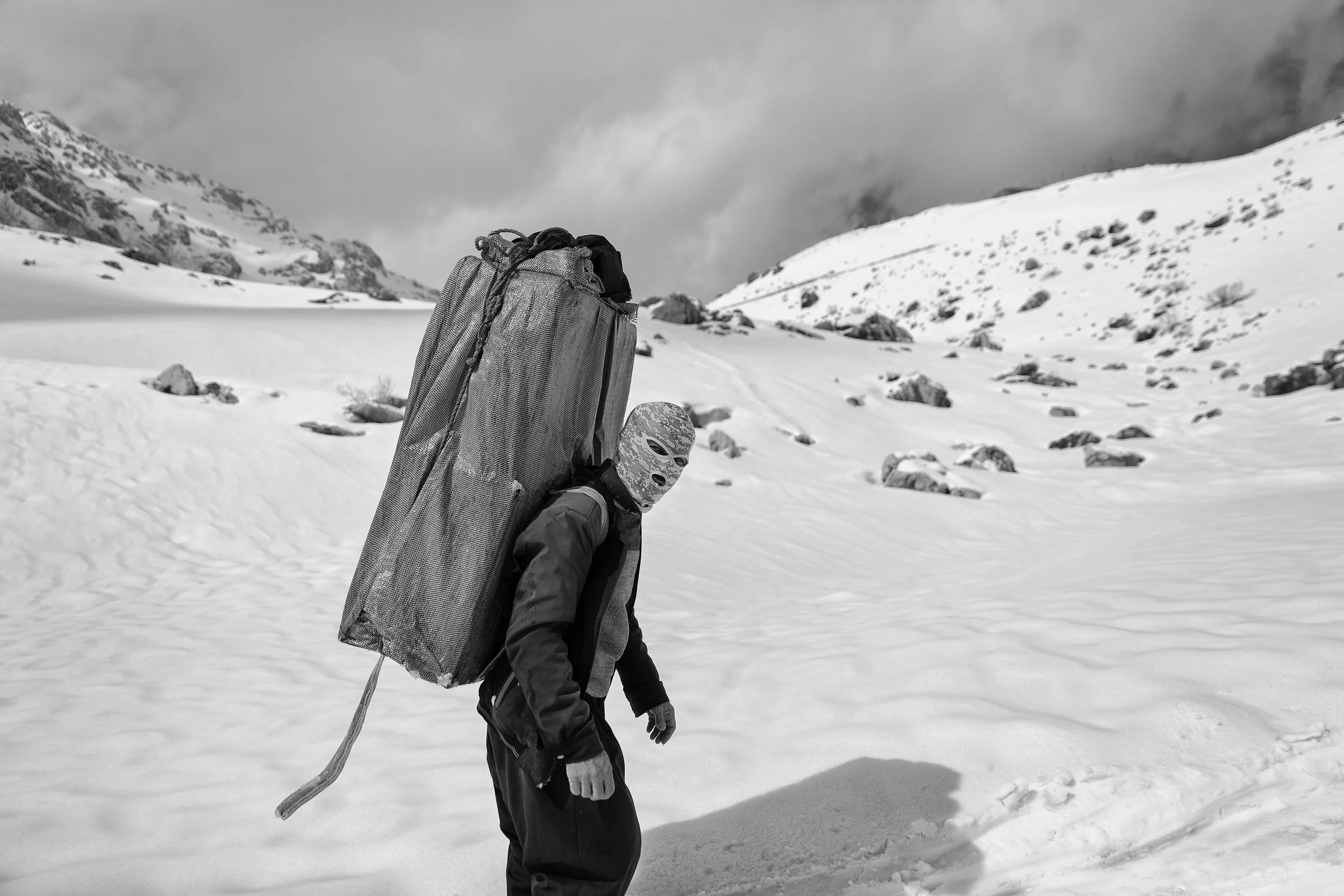
Kolbars range in age from around 12 to 65 years old. They cross the border carrying heavy loads, often walking for eight to twelve hours at a time. Their routes pass through life-threatening terrain, including winding mountain trails, steep hills, narrow cliff paths, and deep valleys. In winter, snow and freezing temperatures increase the risks even further.
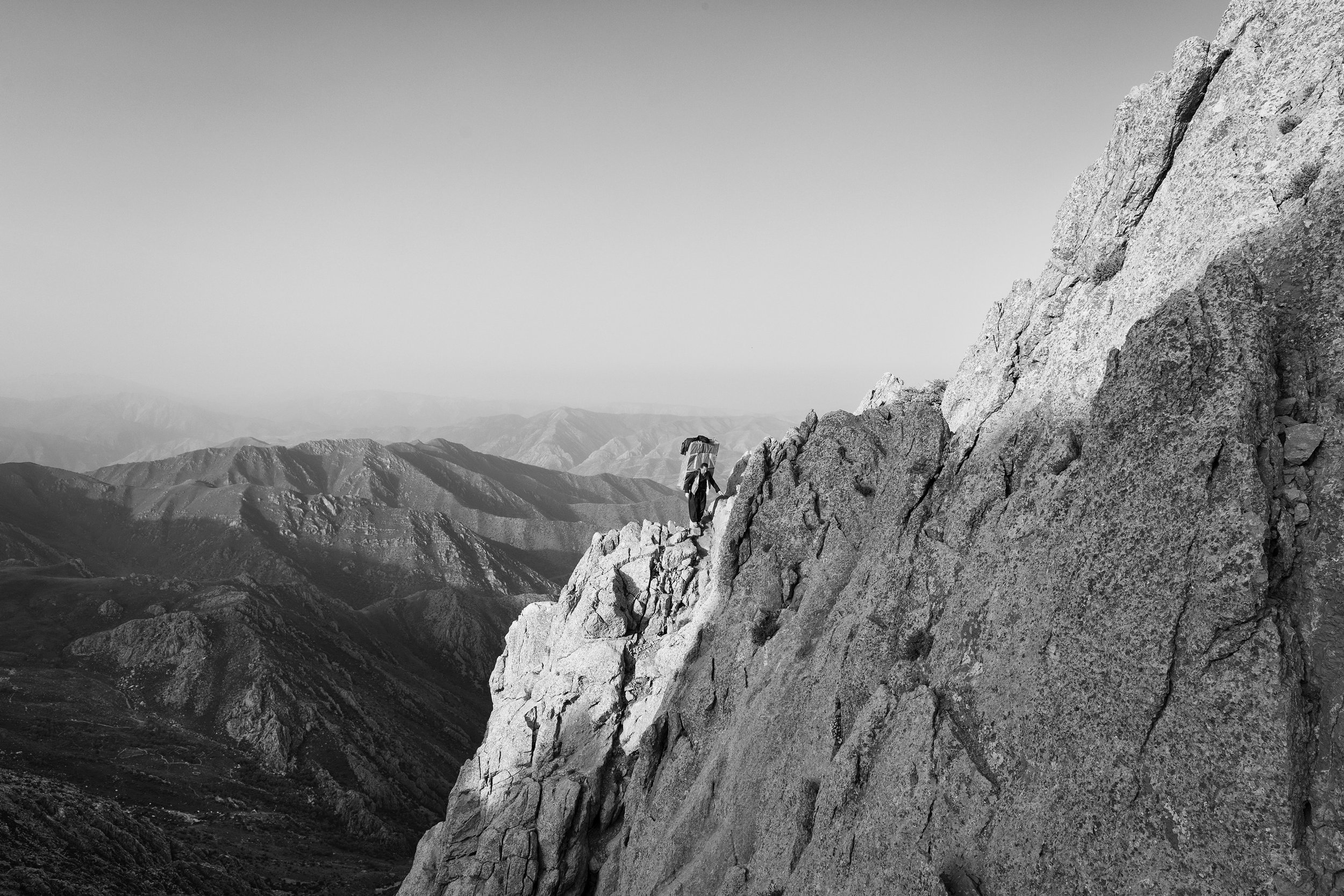
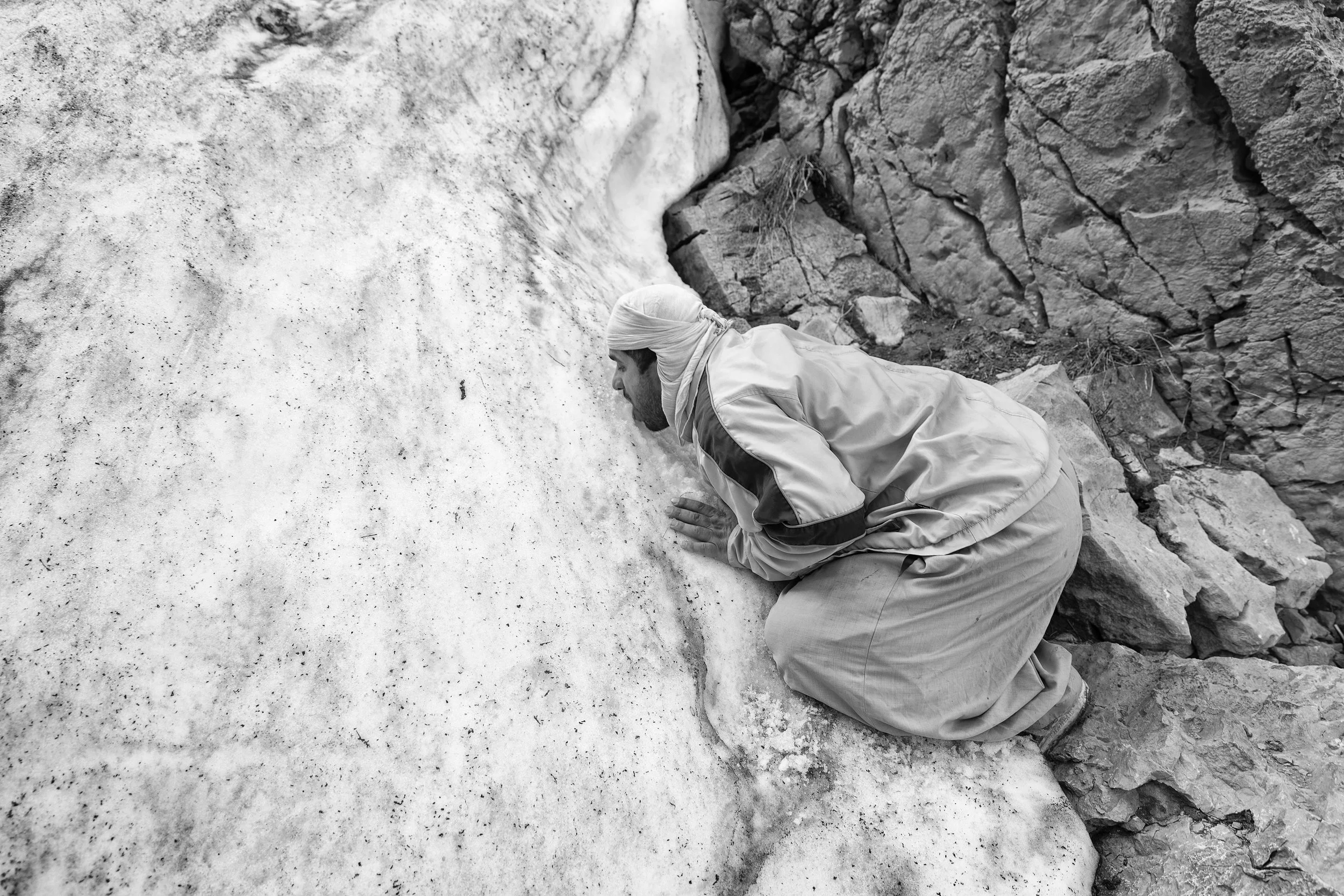
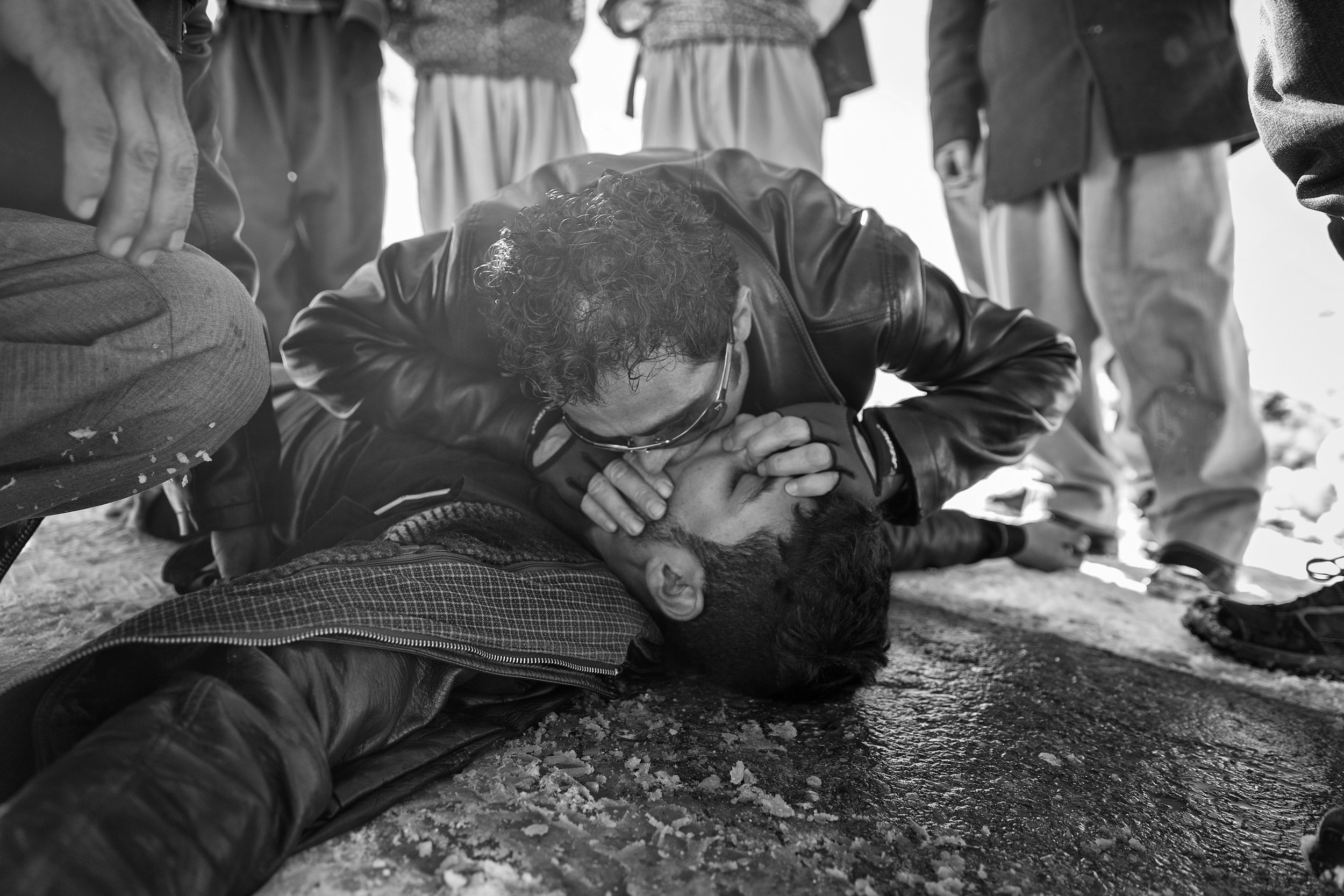
Beyond the dangers of the landscape, kolbars also face the constant threat of violence. The risk of being shot by border patrol forces is part of their daily reality. Human rights organizations have repeatedly documented cases of kolbars being injured or killed while working in these border areas (Amnesty International; Kurdistan Human Rights Network; Hengaw Organization for Human Rights). Many lose their lives each year due to shootings, accidents, avalanches, and exposure to extreme weather.
Koolbary is not officially recognized as a profession in Iran and is considered illegal by the government. As a result, kolbars and their families receive no formal support or protection. When a porter is injured or killed, families are often left without financial assistance or legal recognition, deepening the cycle of poverty and vulnerability in these communities.
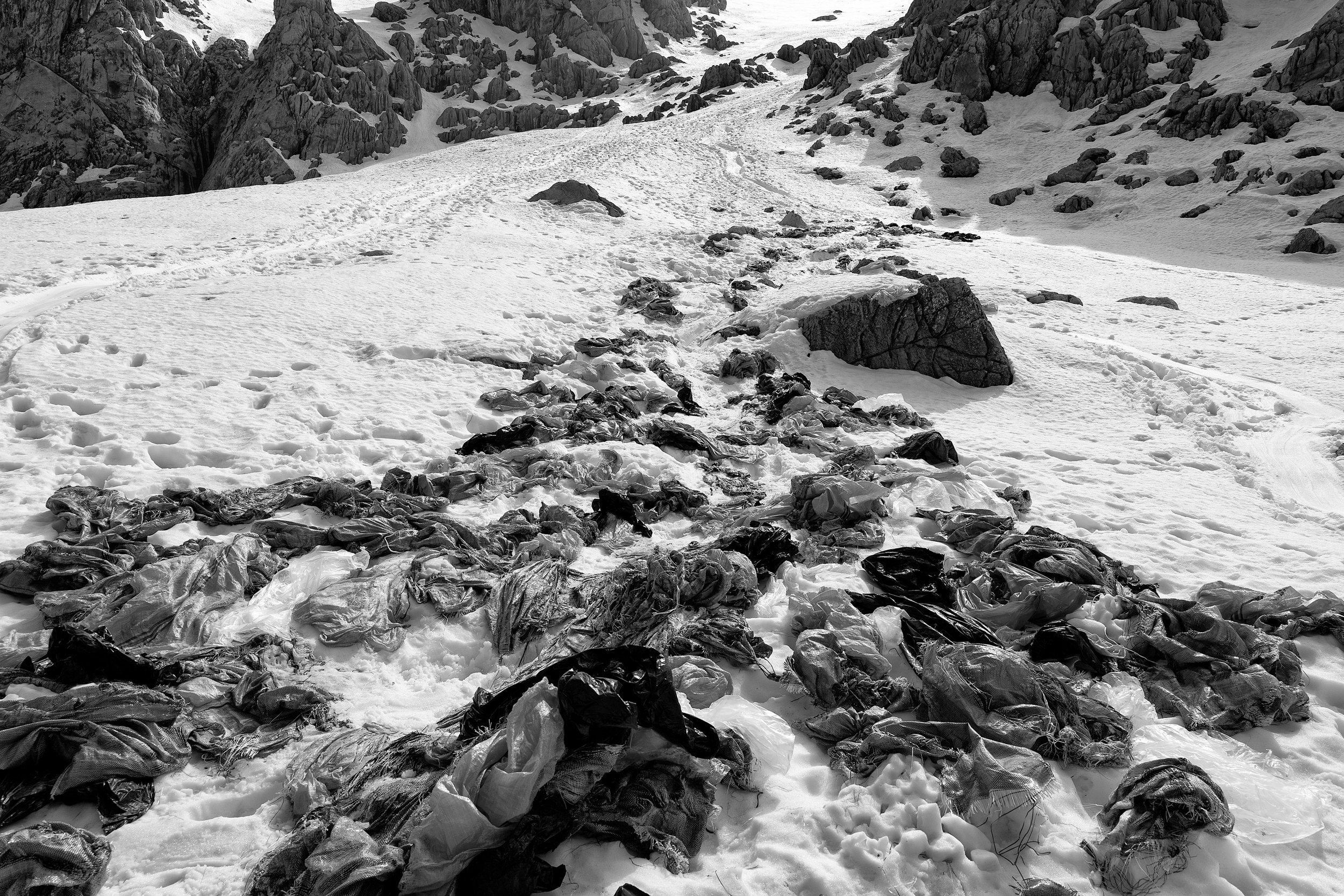
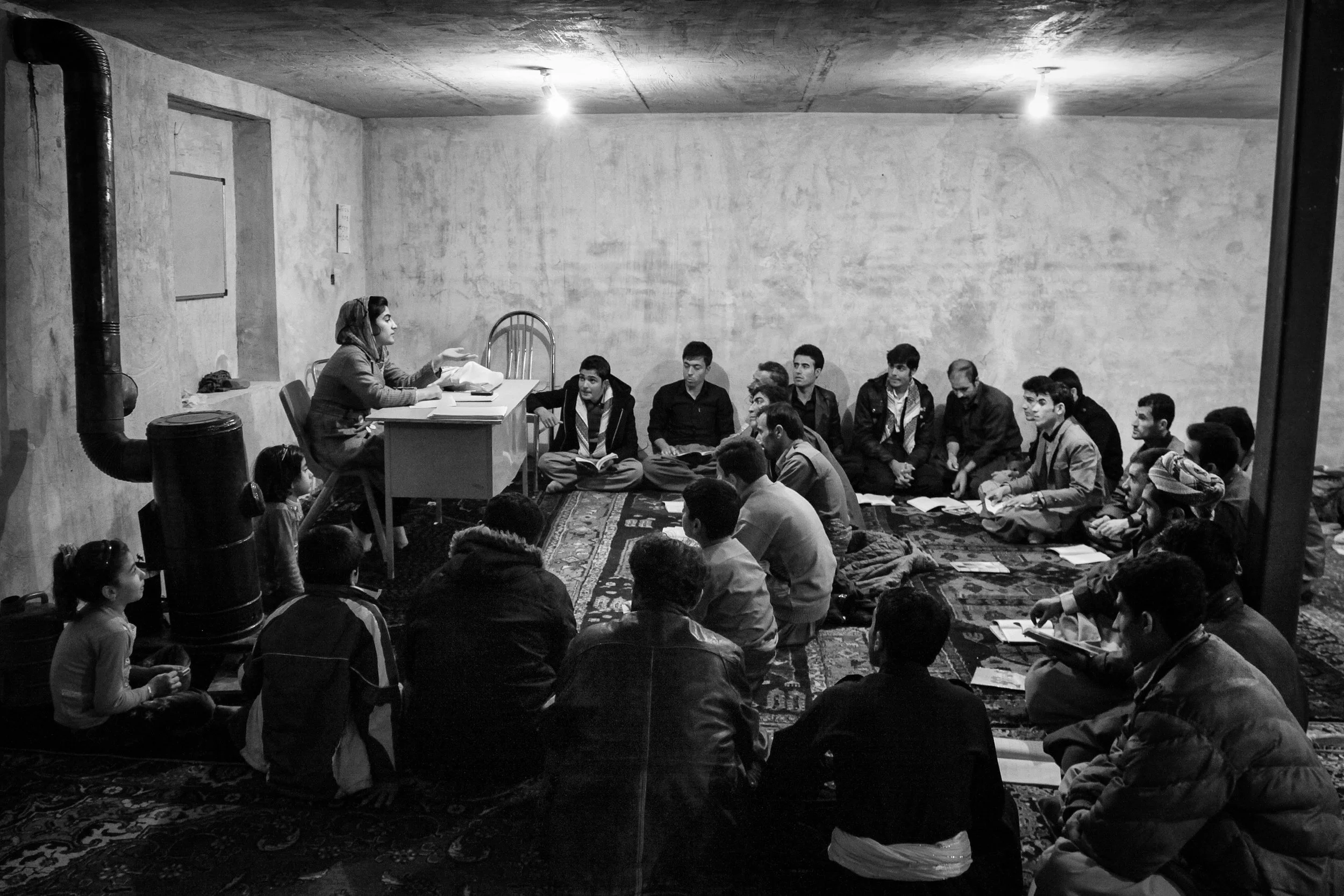
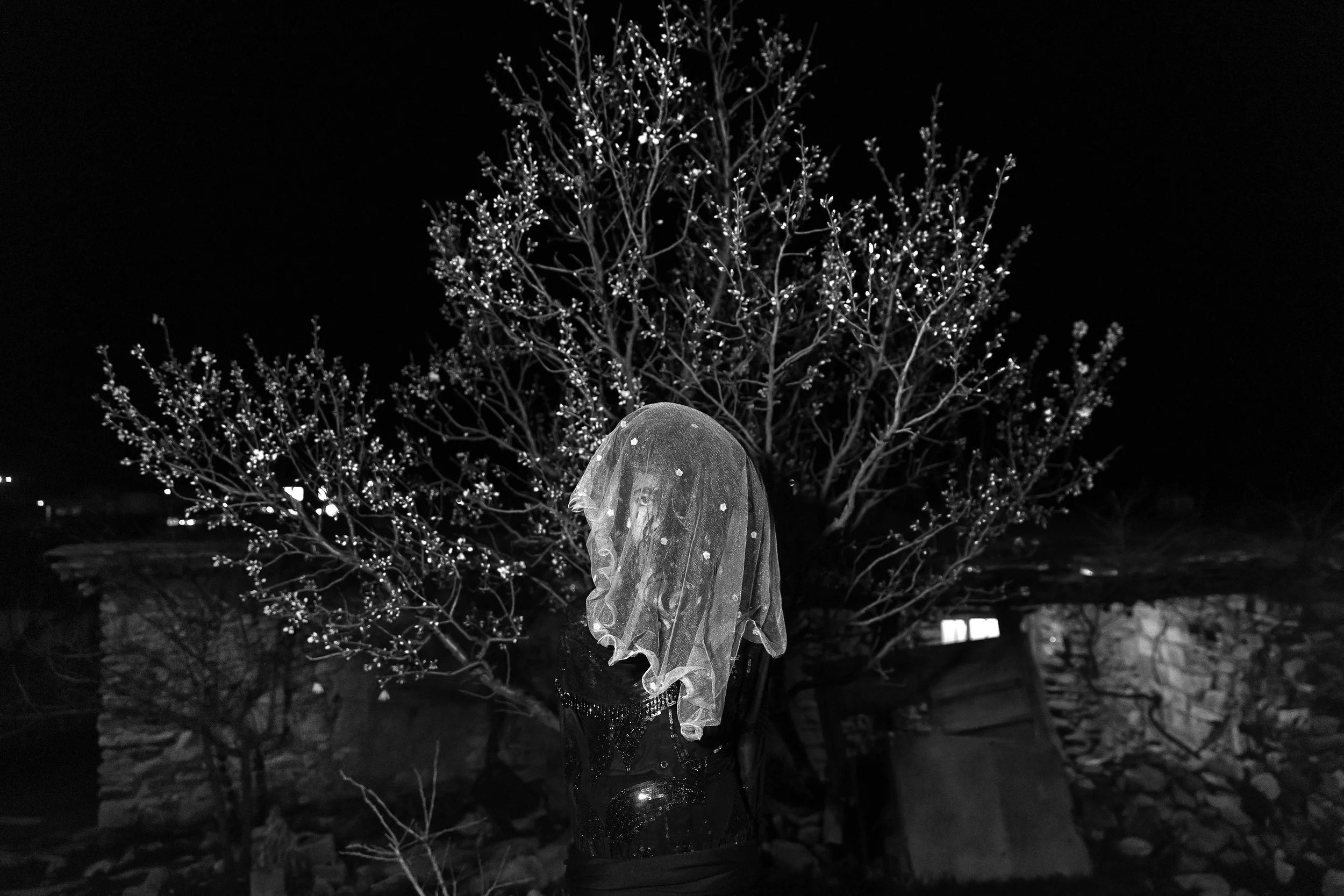
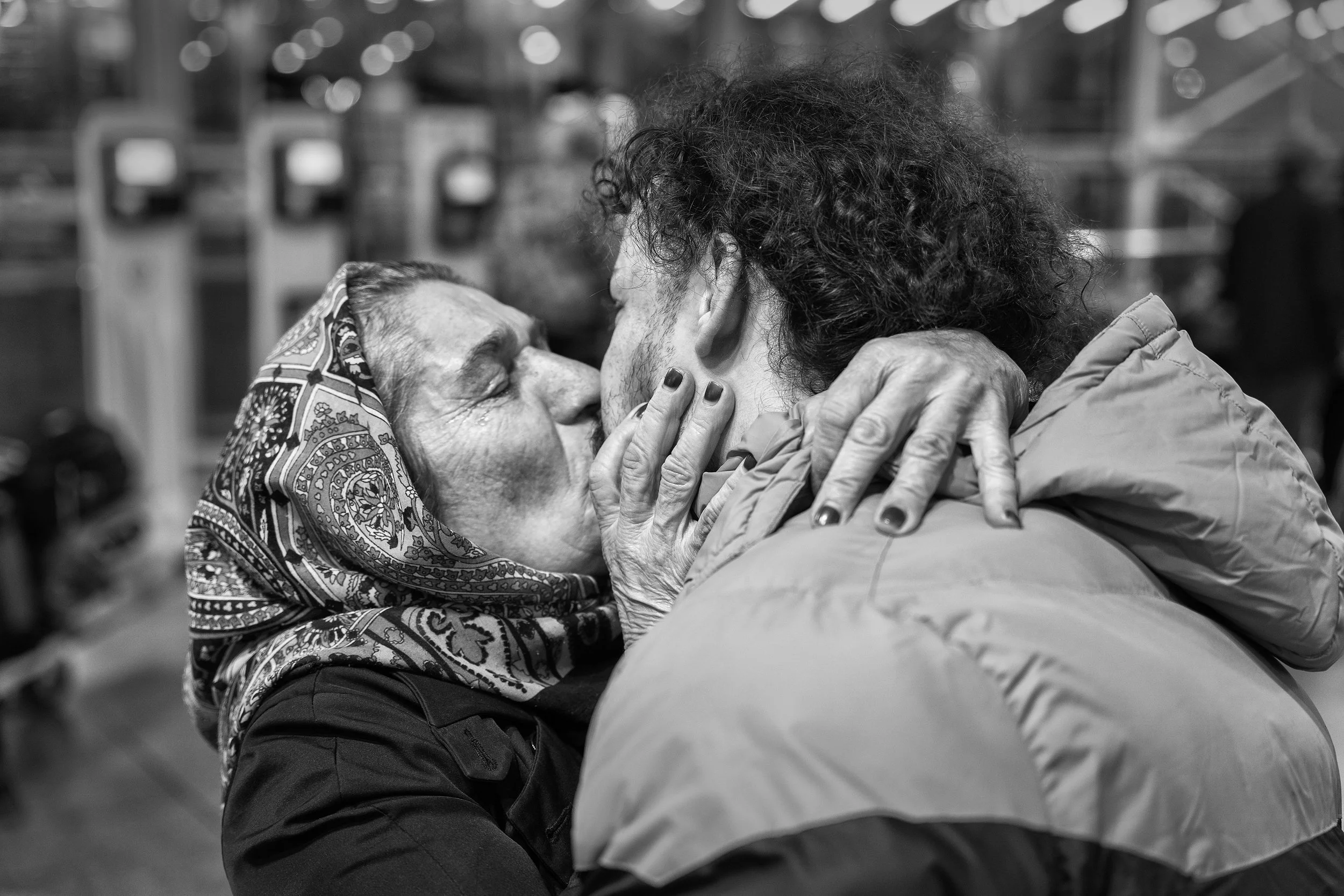
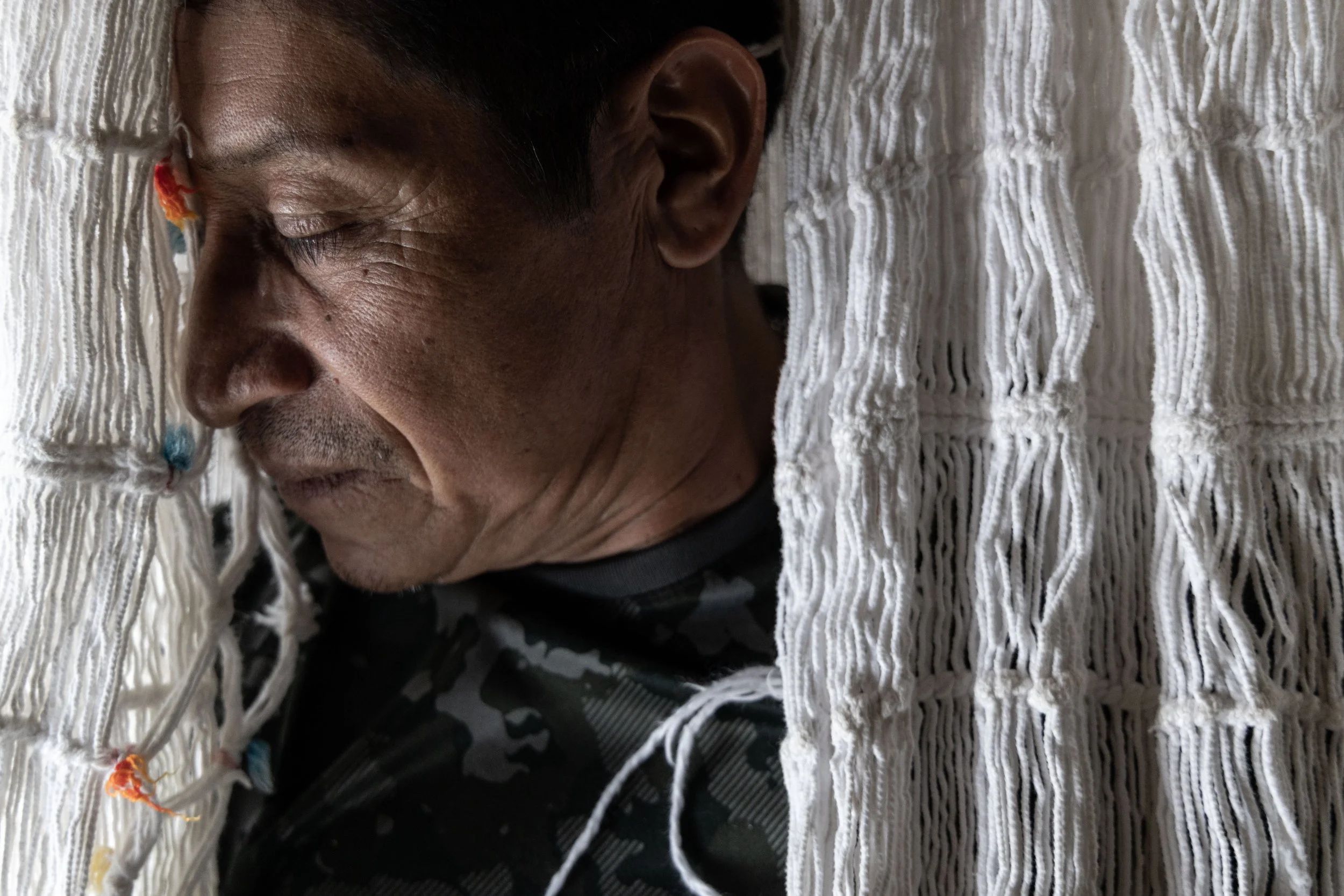
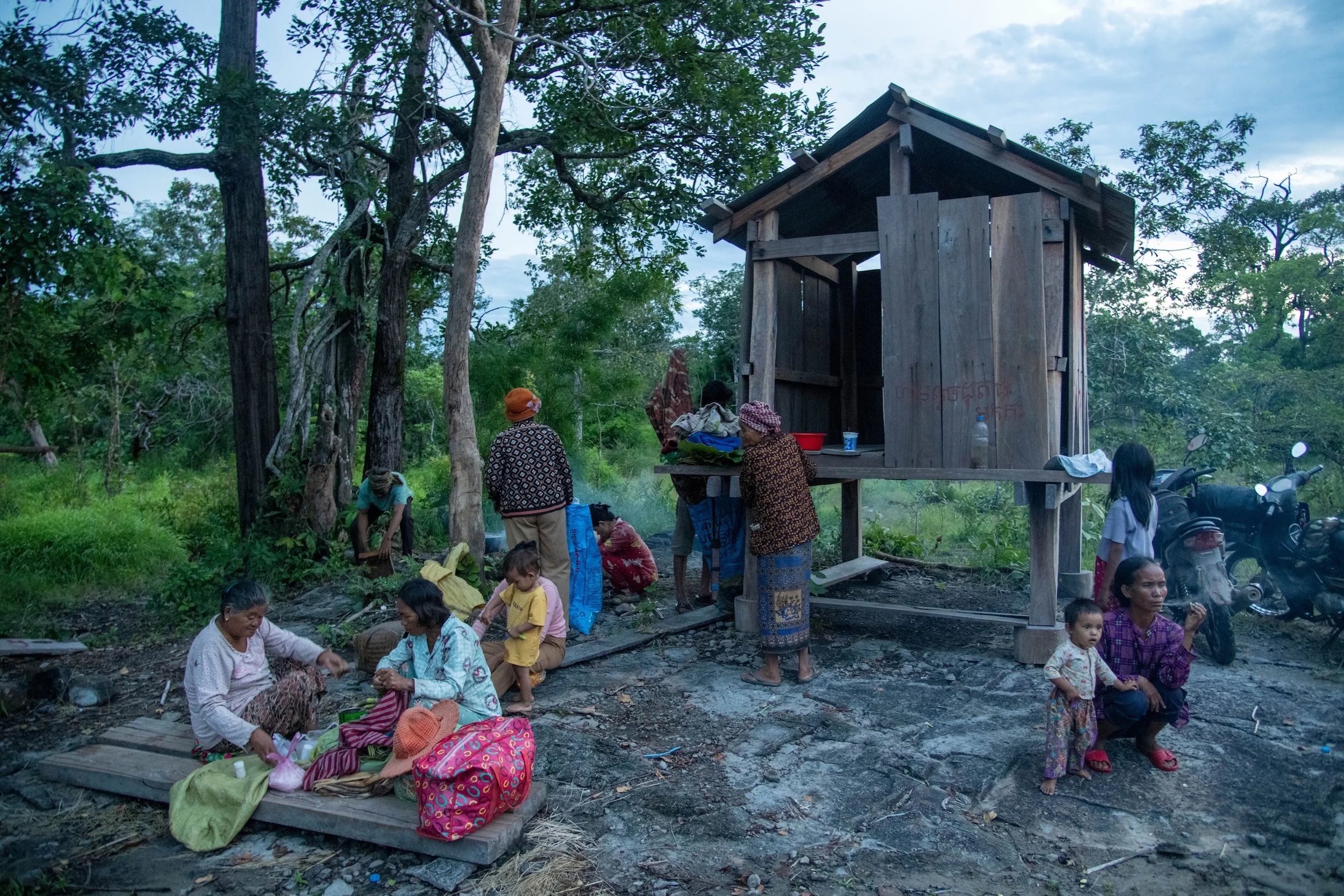
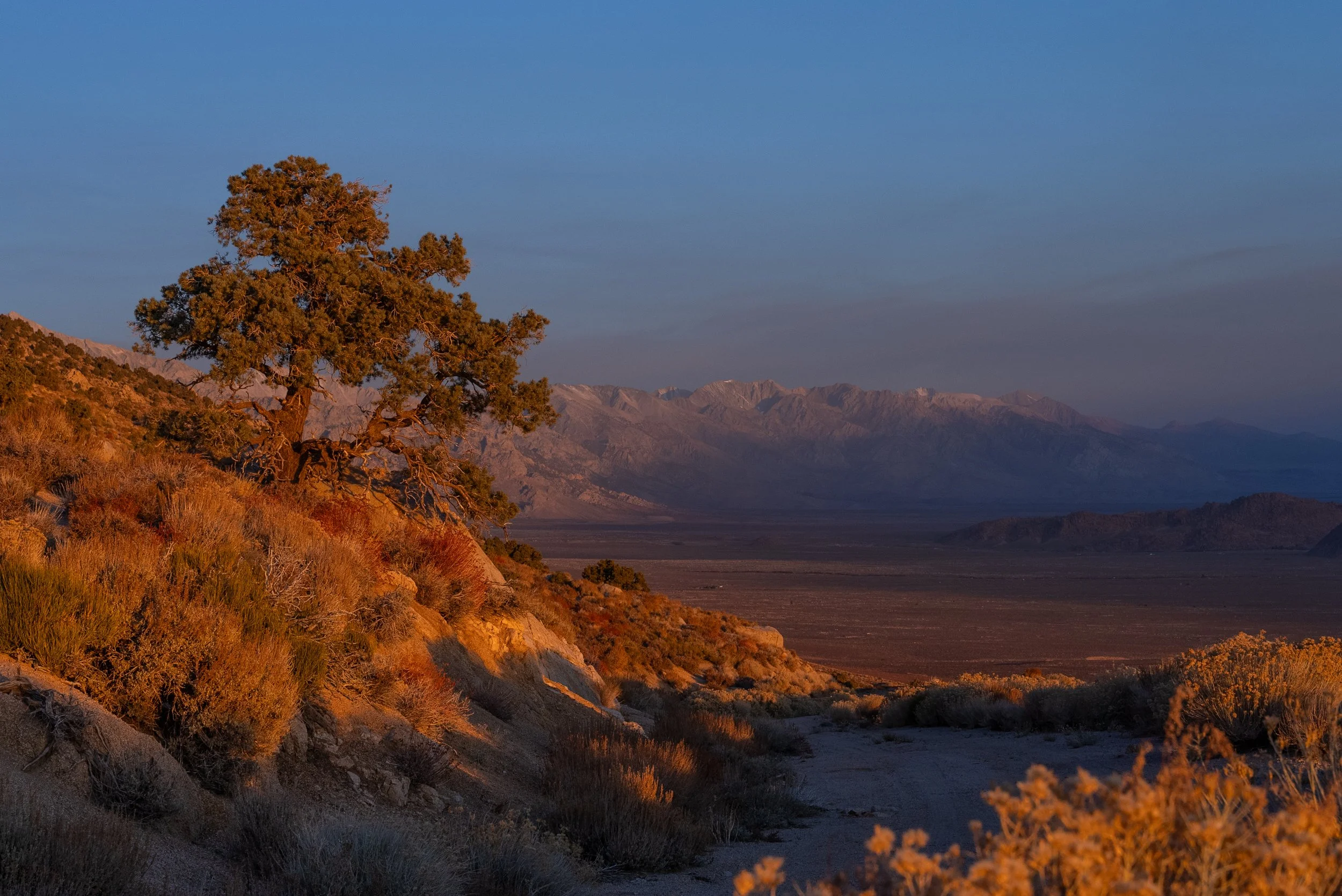
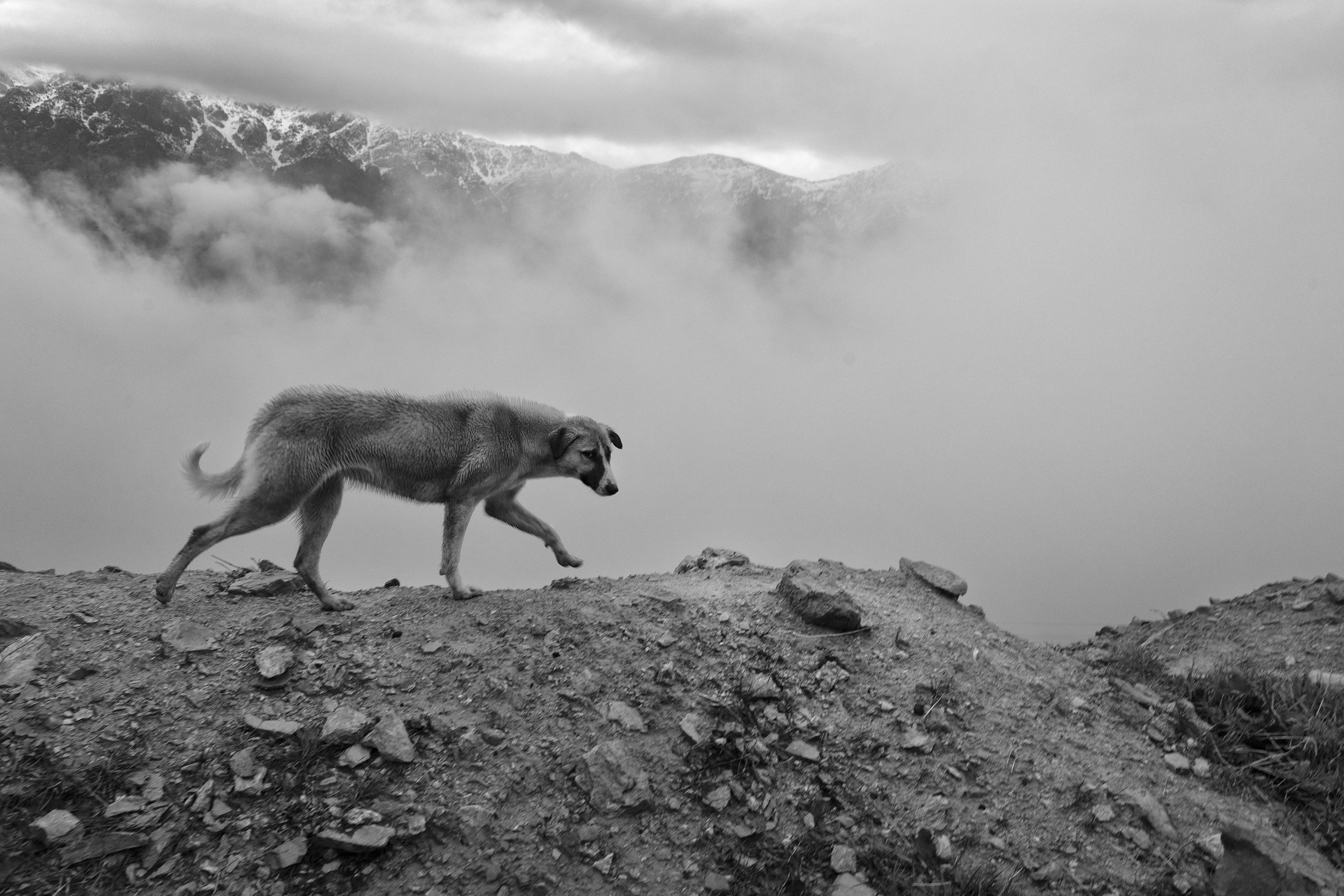
This photo story documents the lives of kolbars and the conditions they face while trying to earn a living. The images show the physical weight they carry, the harshness of the environment, and the human cost of surviving in border regions where economic options are limited. They also reflect the resilience of individuals who continue this work despite constant danger.
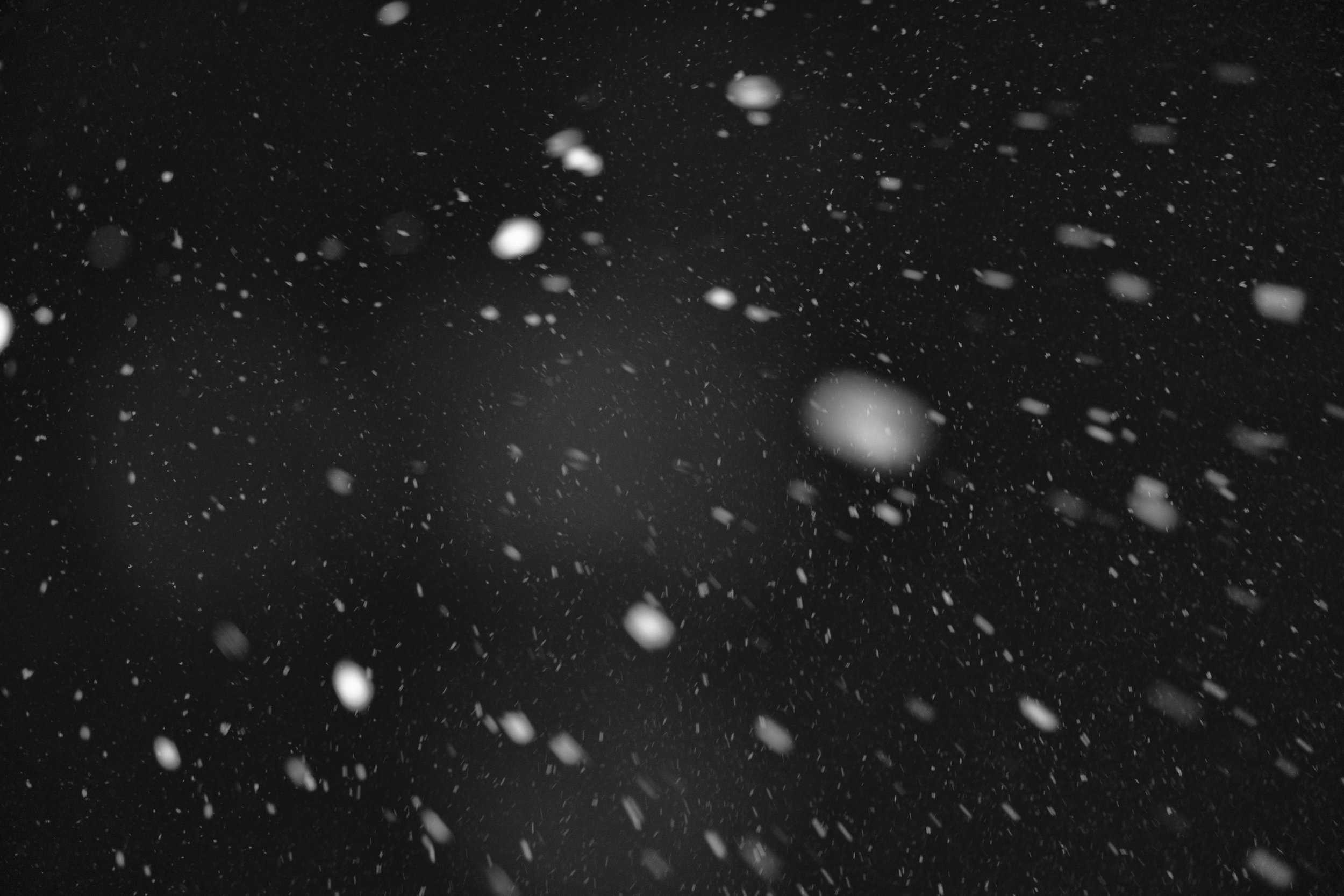
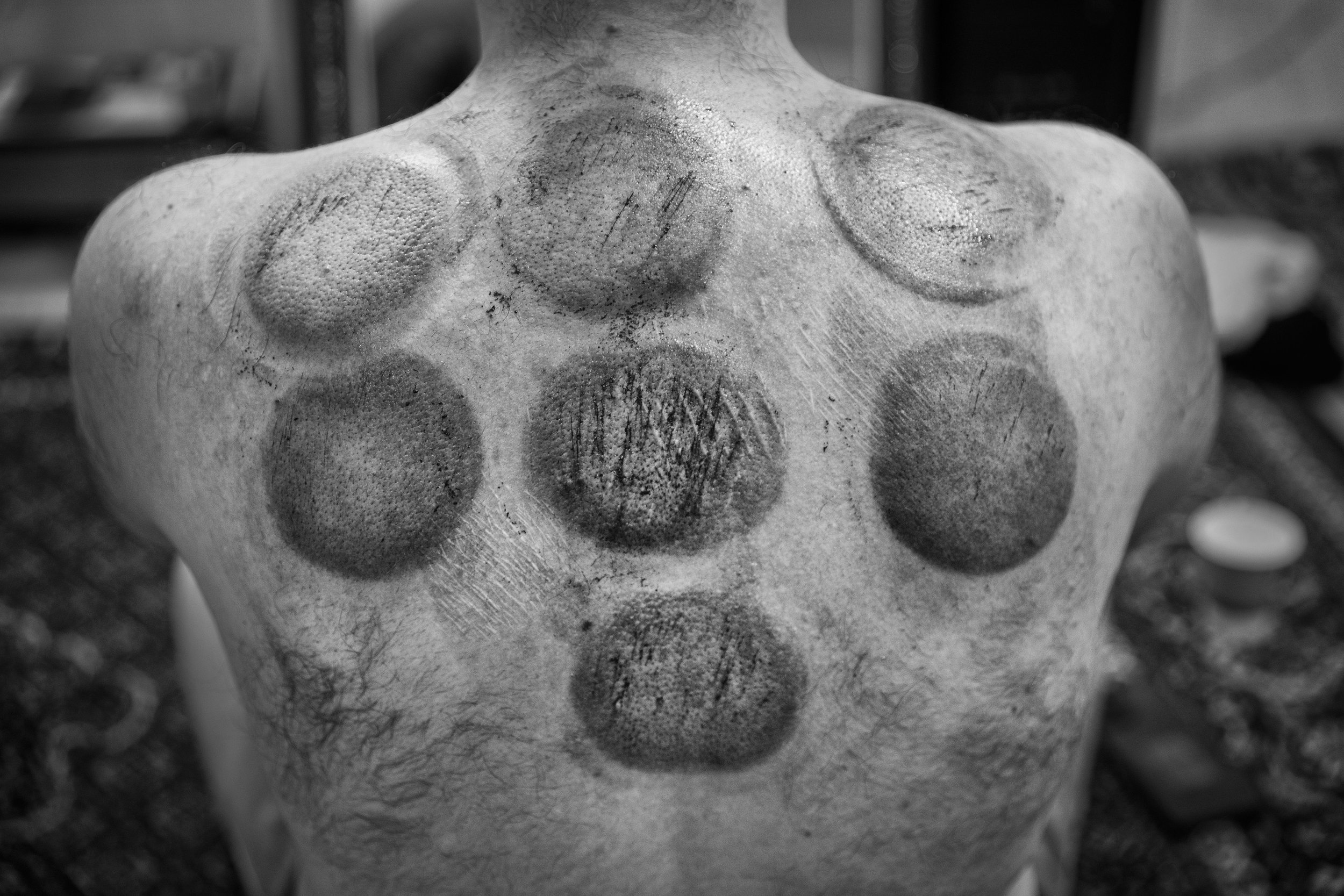
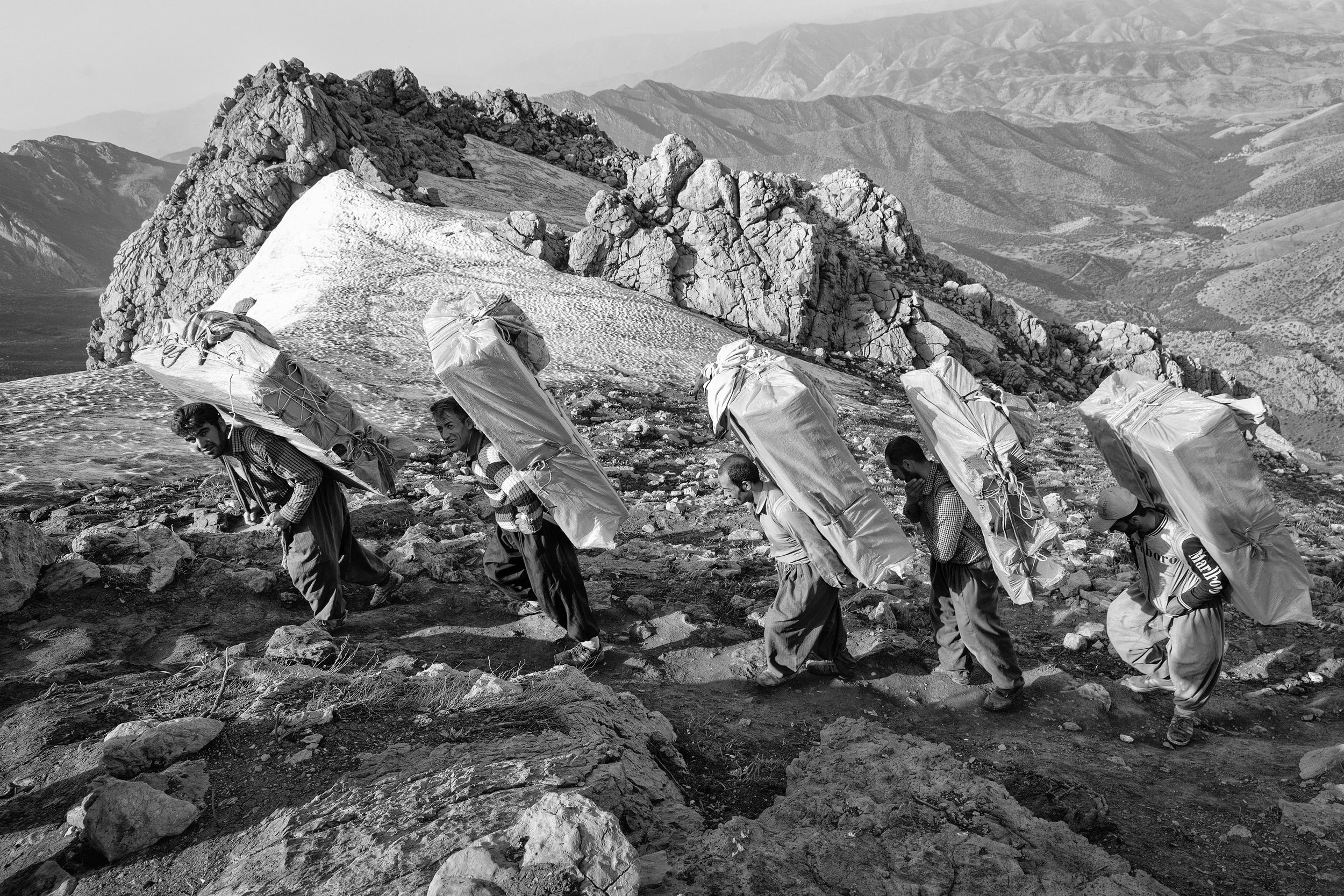
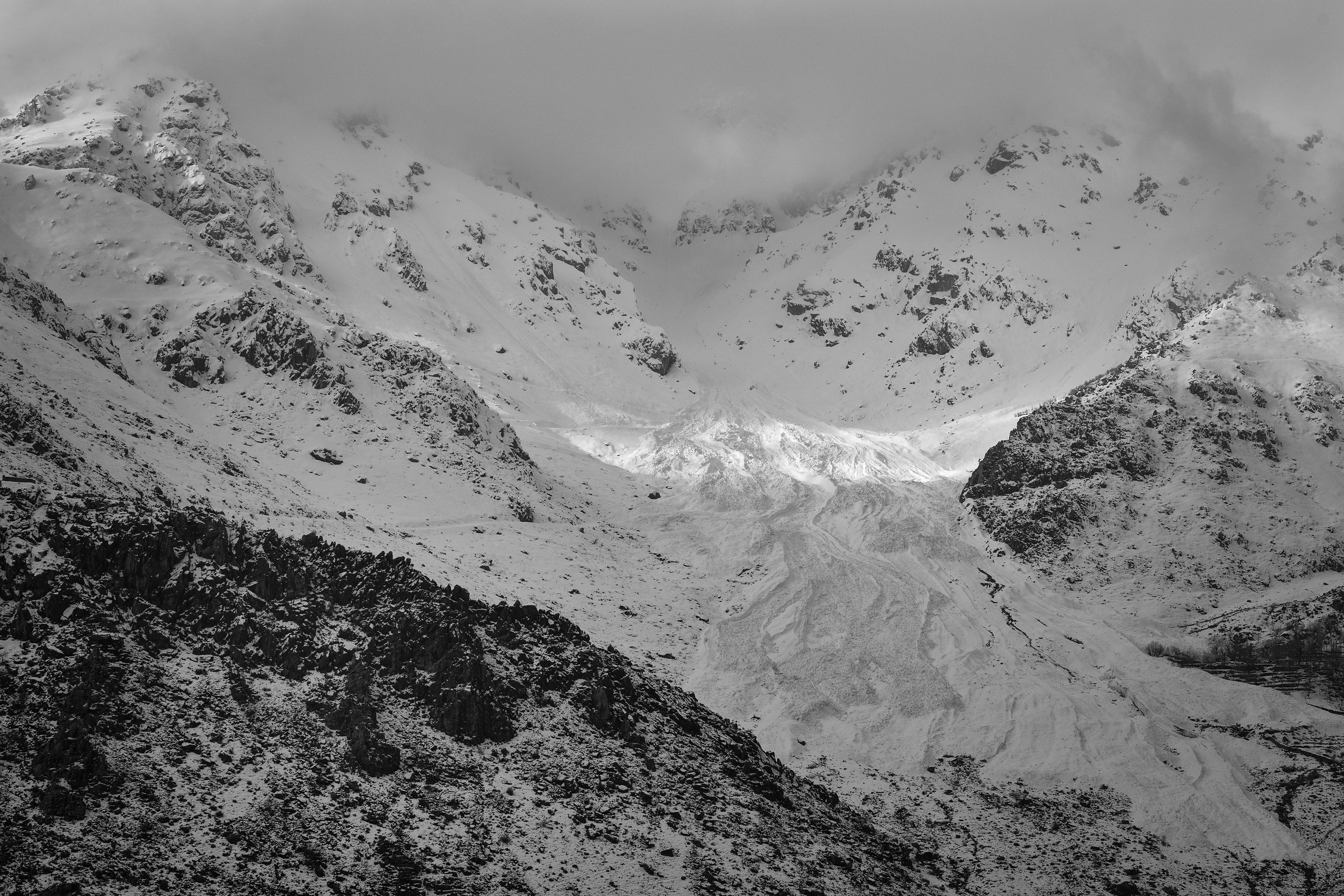
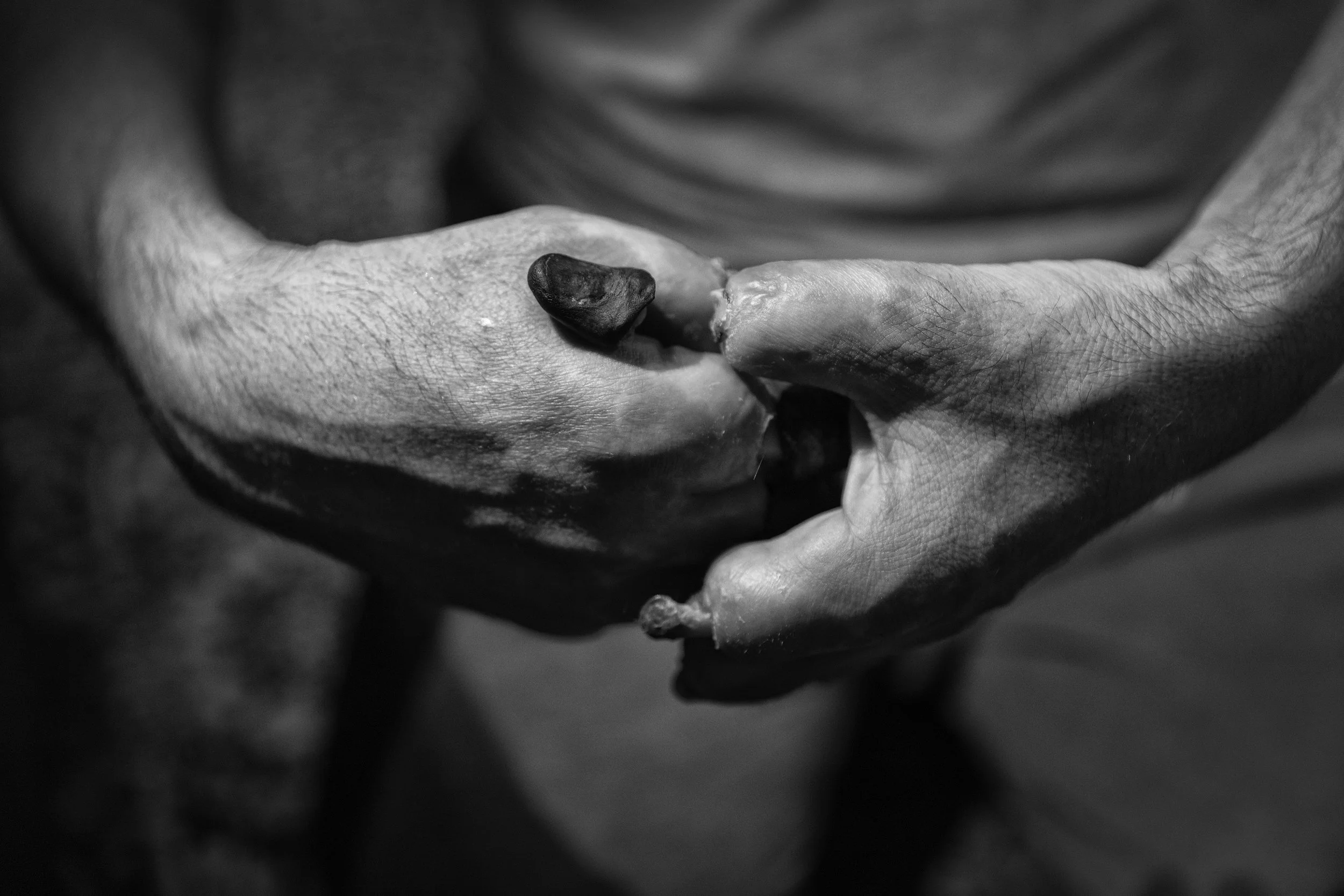
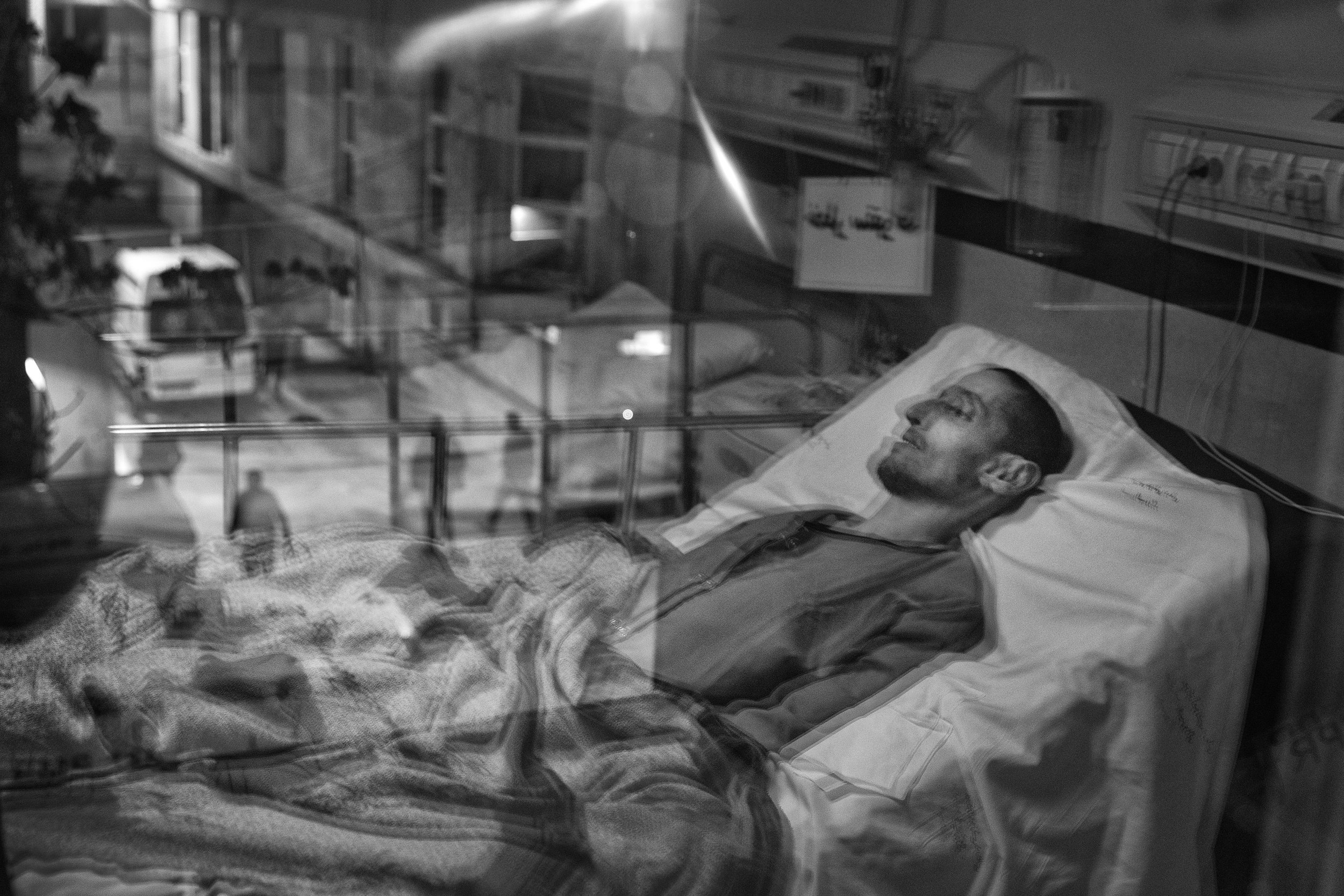
“Bullets Have No Borders” is a visual testimony to the realities of koolbary and the people behind it. It seeks to bring attention to a largely unseen labor and to the lives shaped by inequality, geography, and survival. Behind every load carried across the mountains is a person trying to provide for their family, navigating the fragile line between life and death.
Ebrahim Alipoor is a recipient of PWB’s Micro-Grant.