IMAGES & WORDS BY KANG-CHUN CHENG
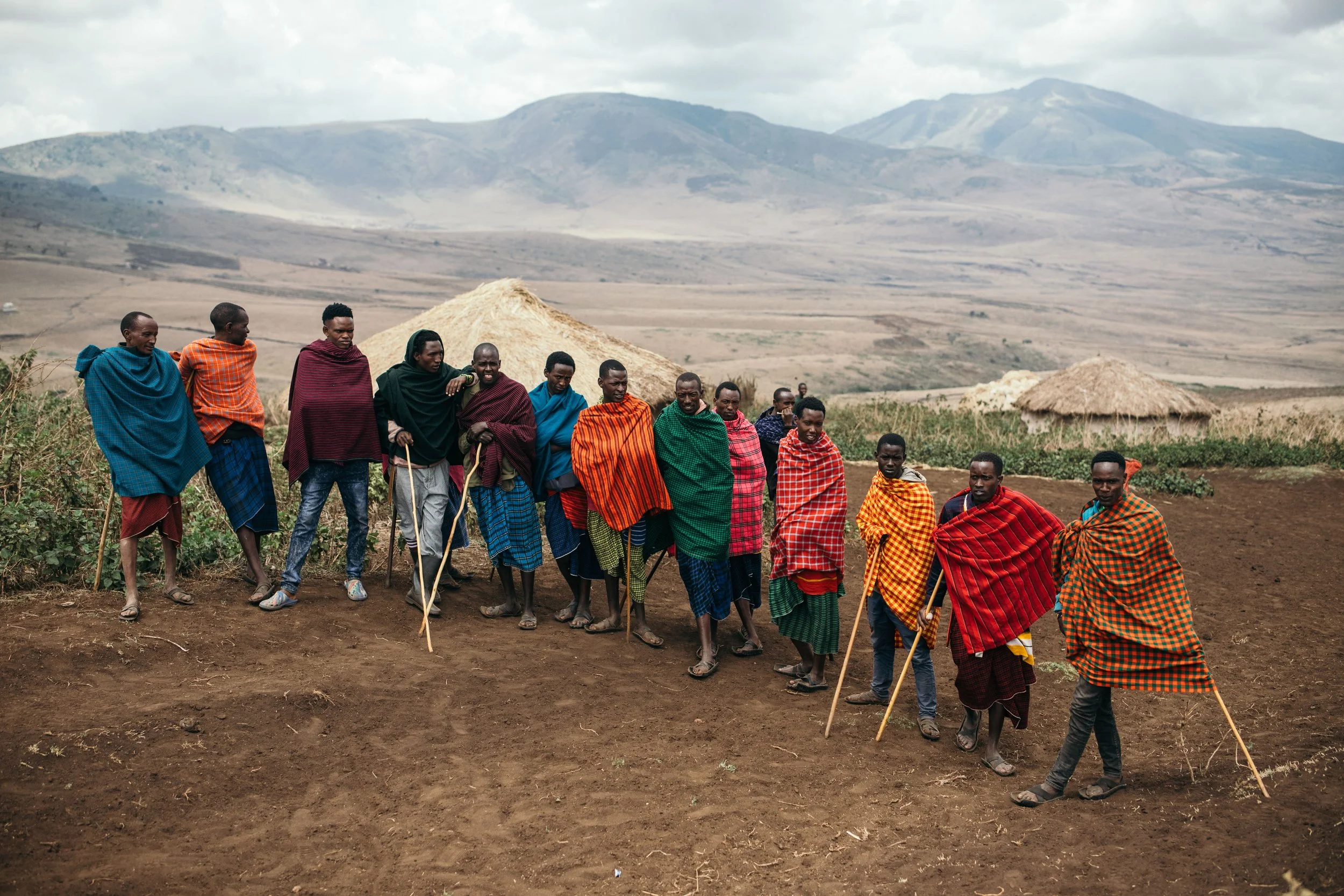
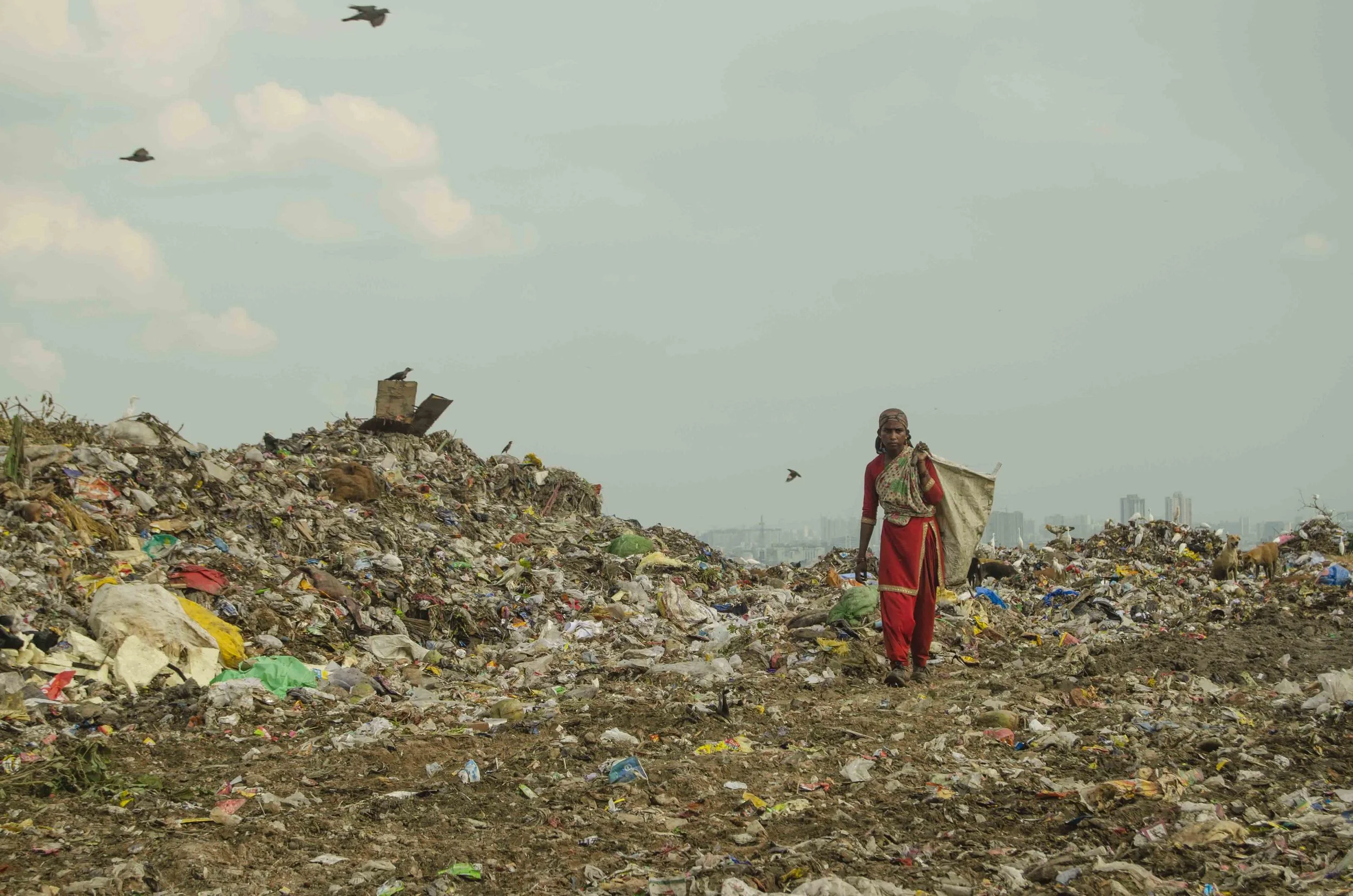
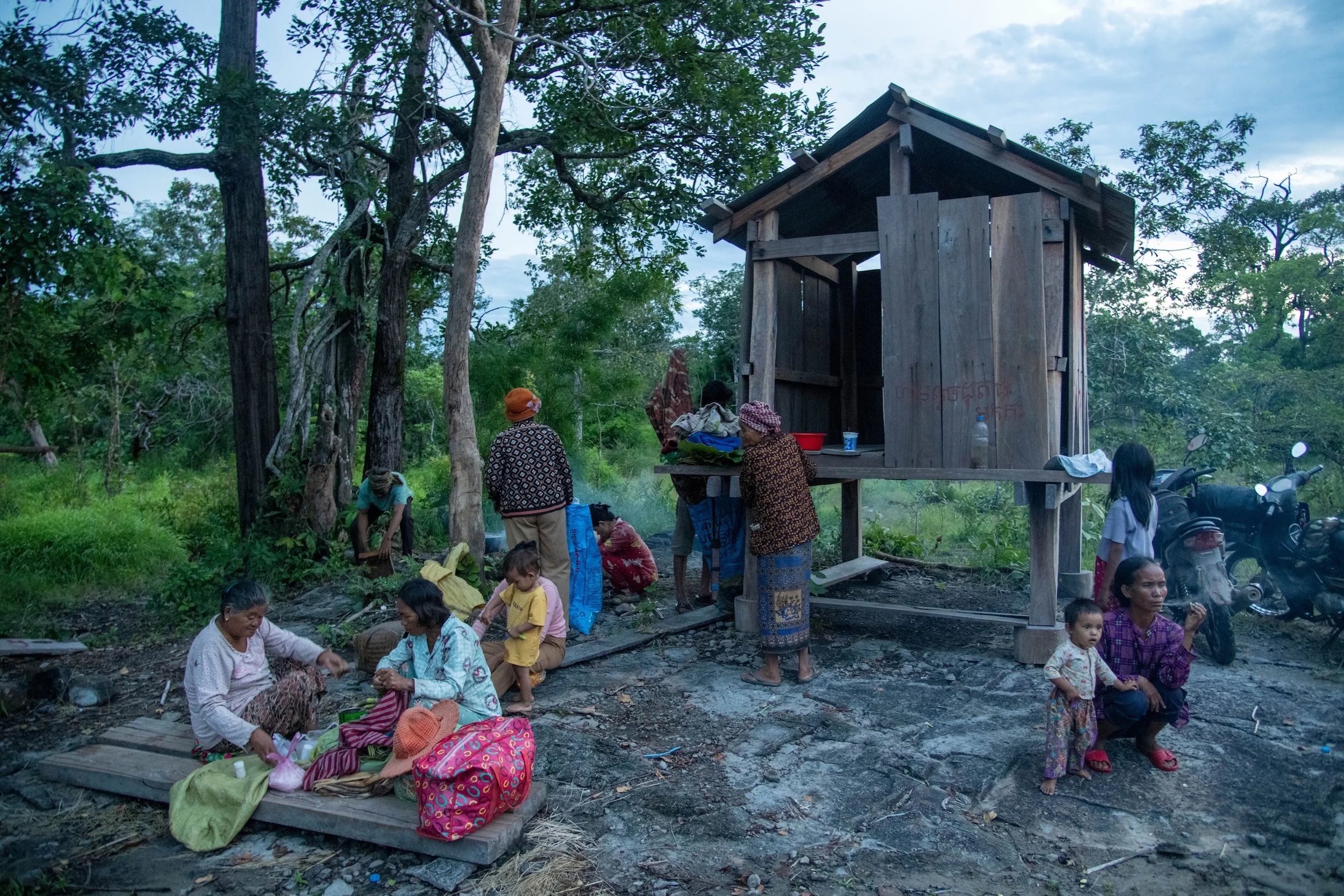
Climate goals are being pursued at the expense of the rights of the indigenous communities.
One of the world’s most iconic wildlife tourism destinations, Tanzania’s Serengeti national park and its adjacent conservation areas, are facing some of the most brutal human rights violations against the indigenous Maasai population – all under the name of ‘conservation.’
Conservation organizations, and donors including the U.S. have extended millions of dollars in funding to Tanzania, which hosts one of the biggest land-based carbon credit projects in the region to turn additional nine million hectares of land under conservation over the past 15 years. These efforts––done without the consent of local populations, who have already been displaced from their ancestral lands (Maasai were forcibly kicked out of the Serengeti in 1959 when it became a national park)––take huge tolls on local communities. Thousands of Maasai, nearly all livestock herders, are being evicted at this very moment.
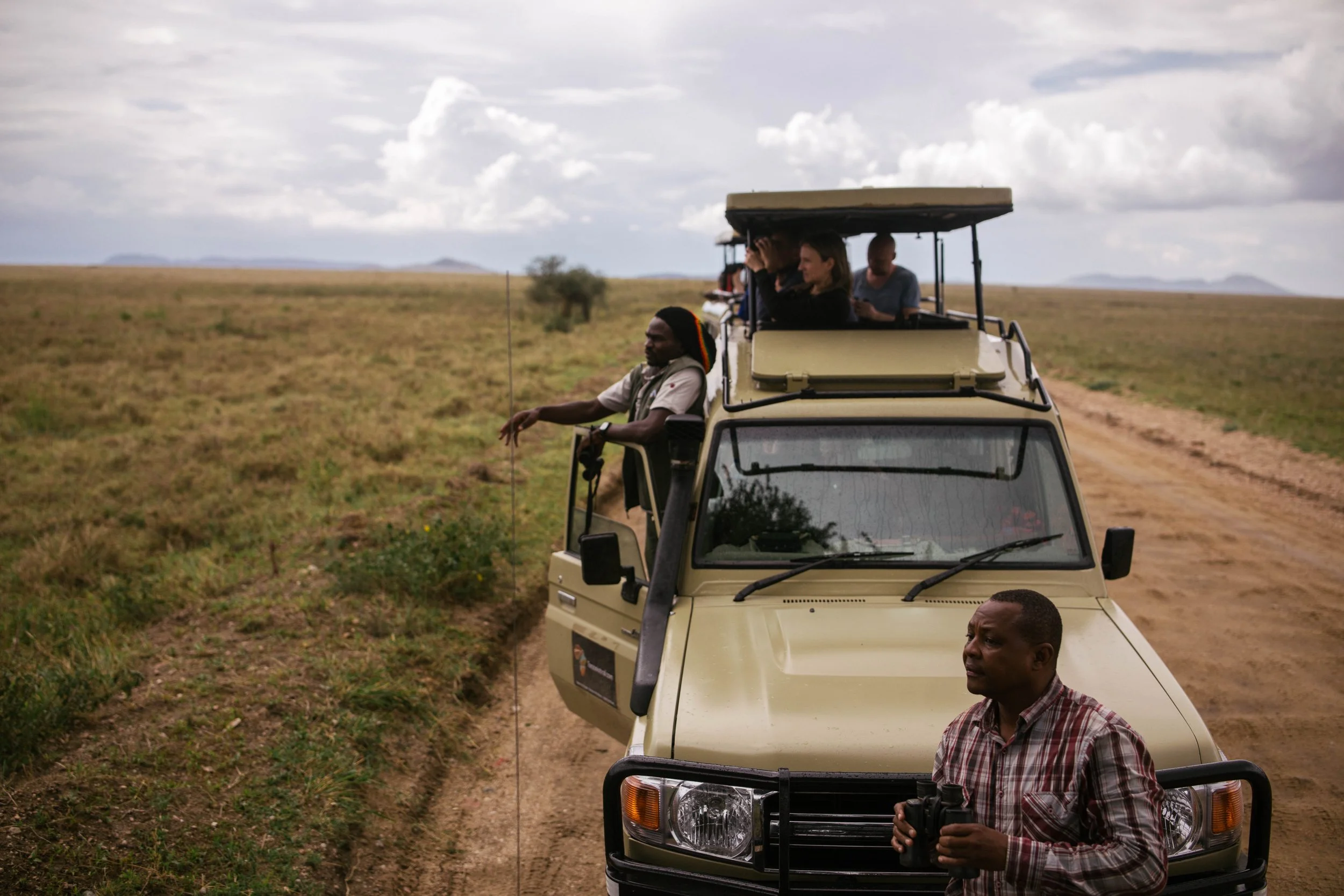
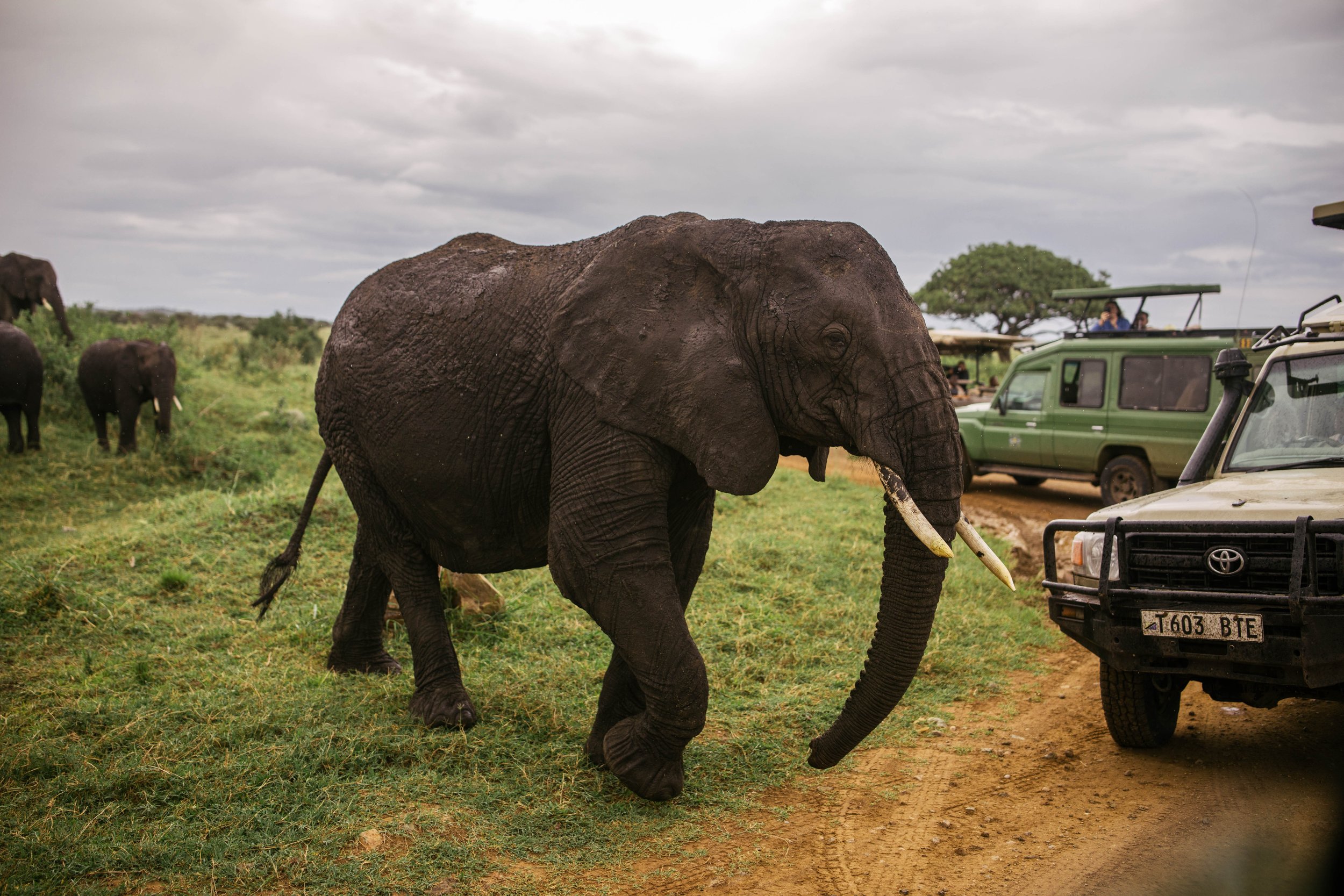

Tanzania has had close ties and covert business deals with the United Arab Emirates’ royal family since the 1980s. As Emirati businesses further encroach across Tanzania in the form of carbon credit projects and luxury tourism ventures, Maasi residents residing close to national parks face renewed eviction risks.
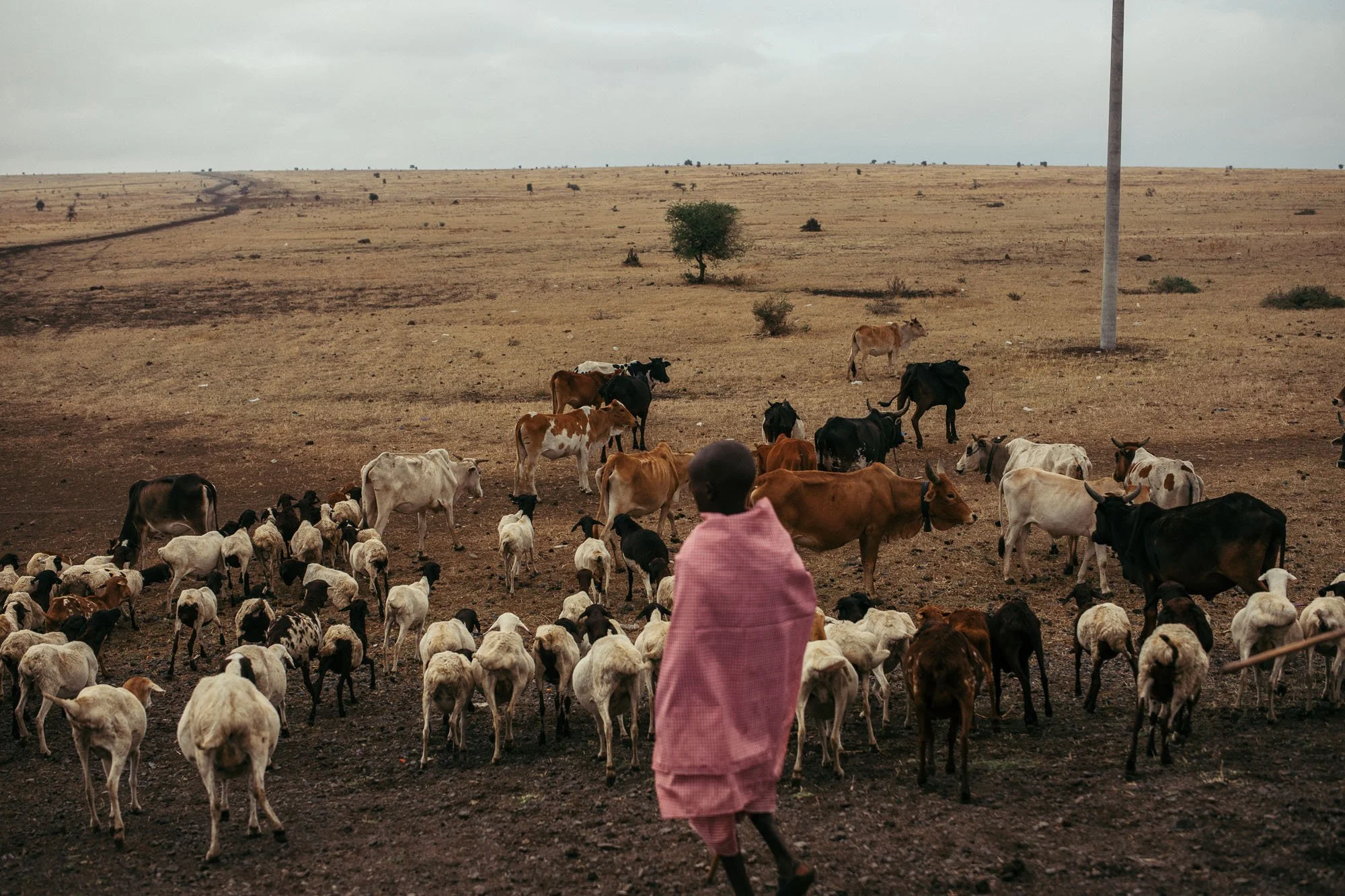
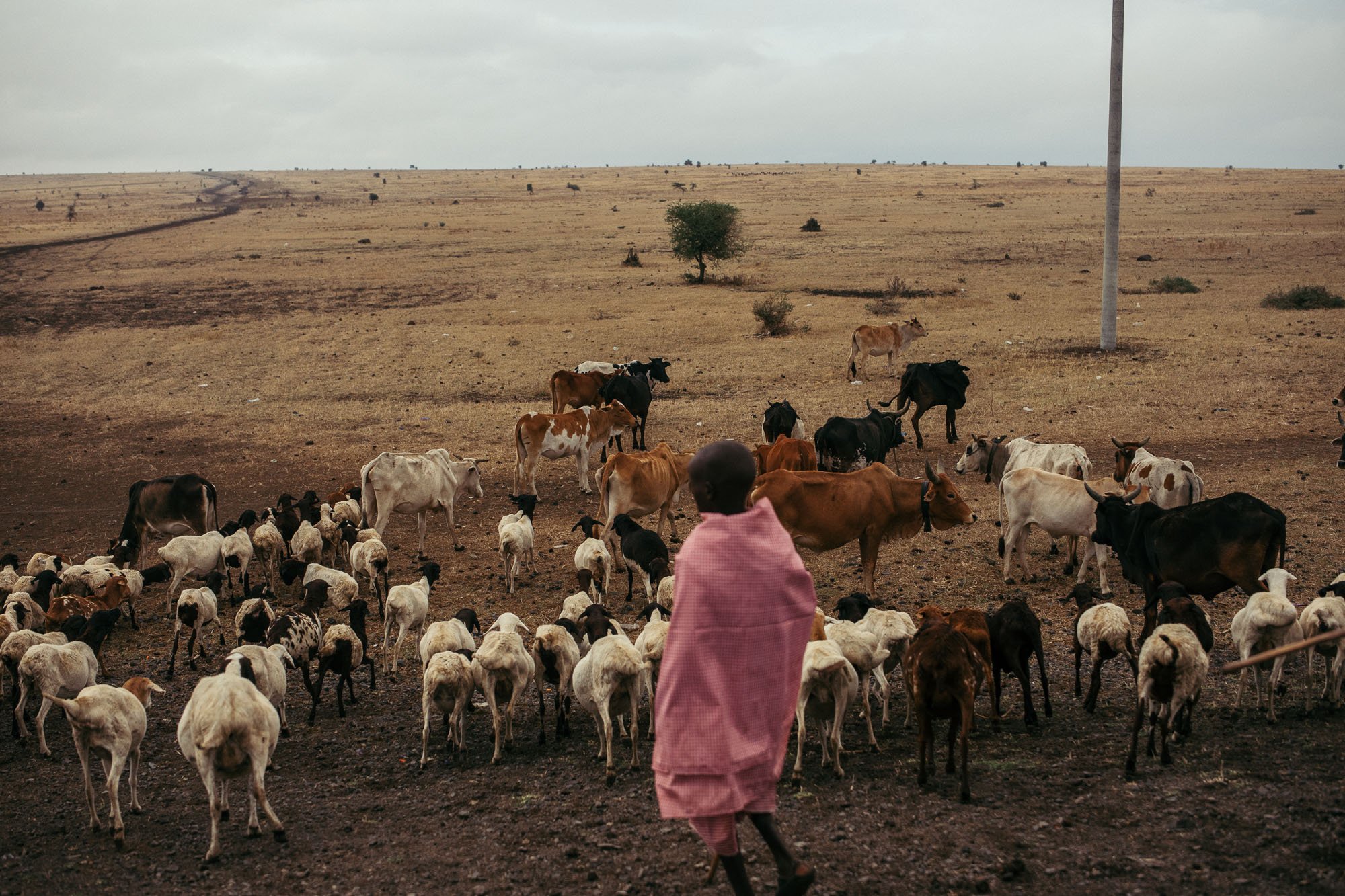
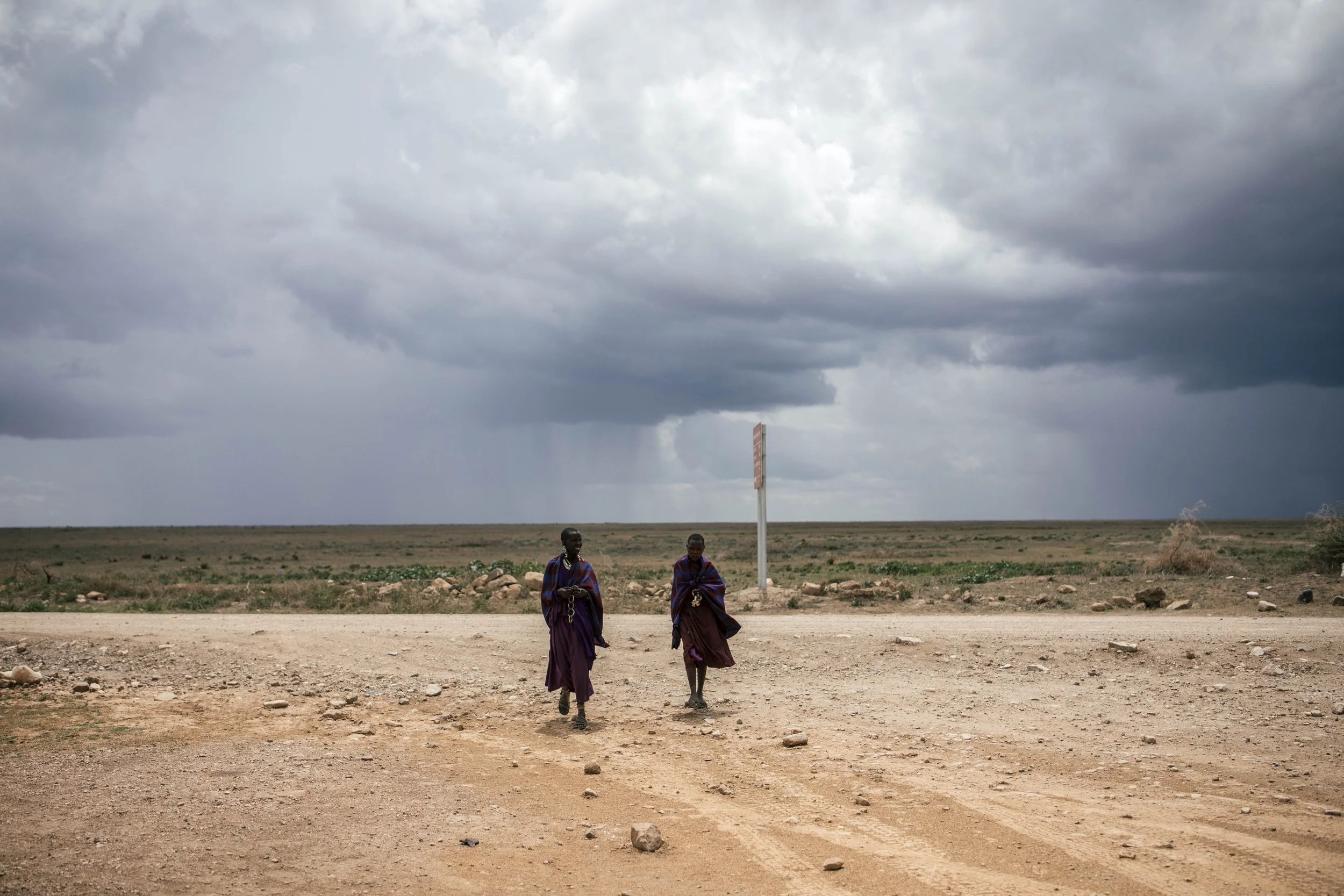
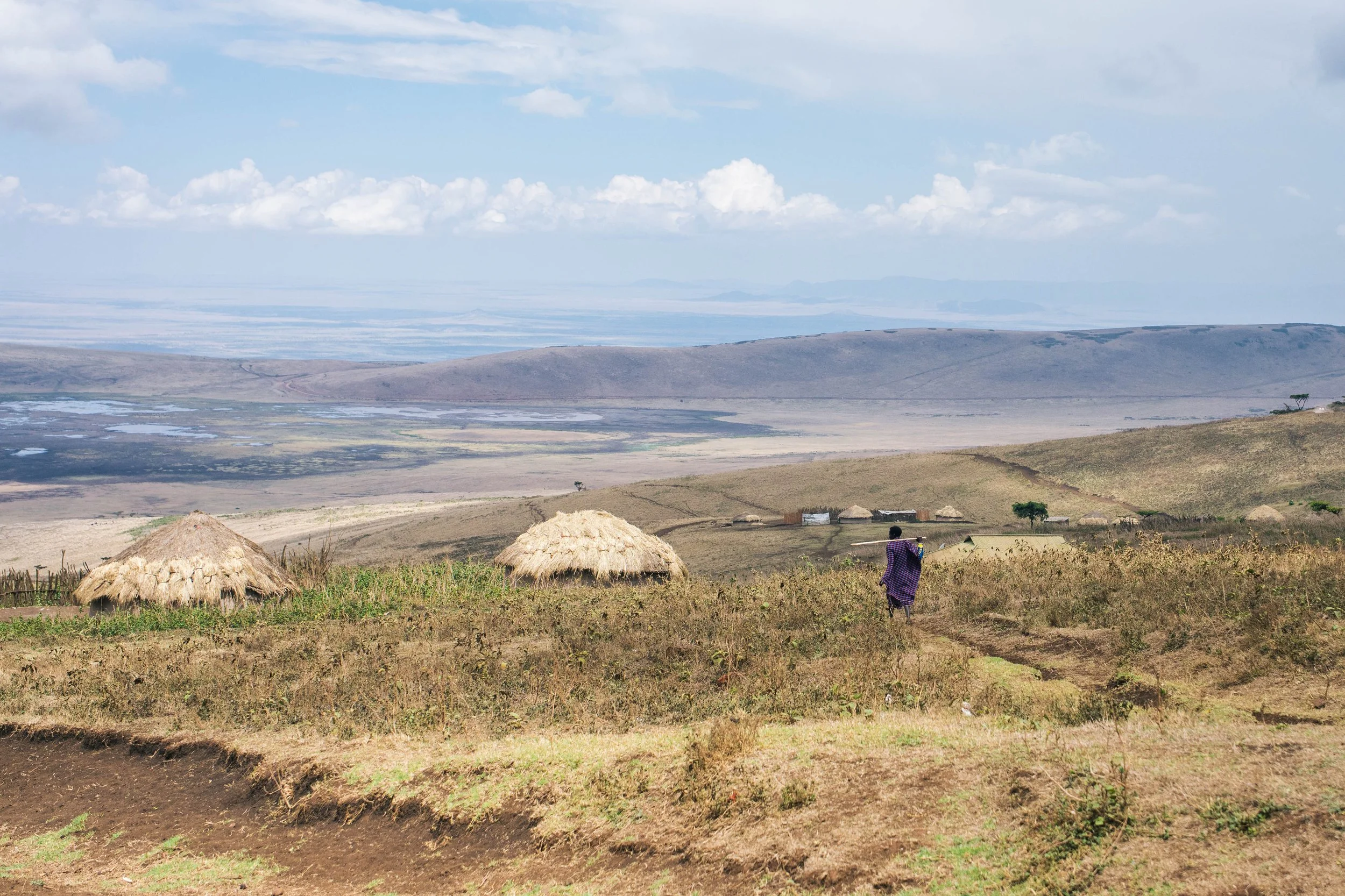
Maasai herding cattle and goats outside Arusha.
“Climate goals are being pursued at the expense of the rights of the indigenous communities,” said Rob Williams, a law professor and the faculty chair of the Indigenous people’s law and policy program at the University of Arizona. “These so-called conservation plans are mainly driven by foreign interests, with little regard to rights of the people.”
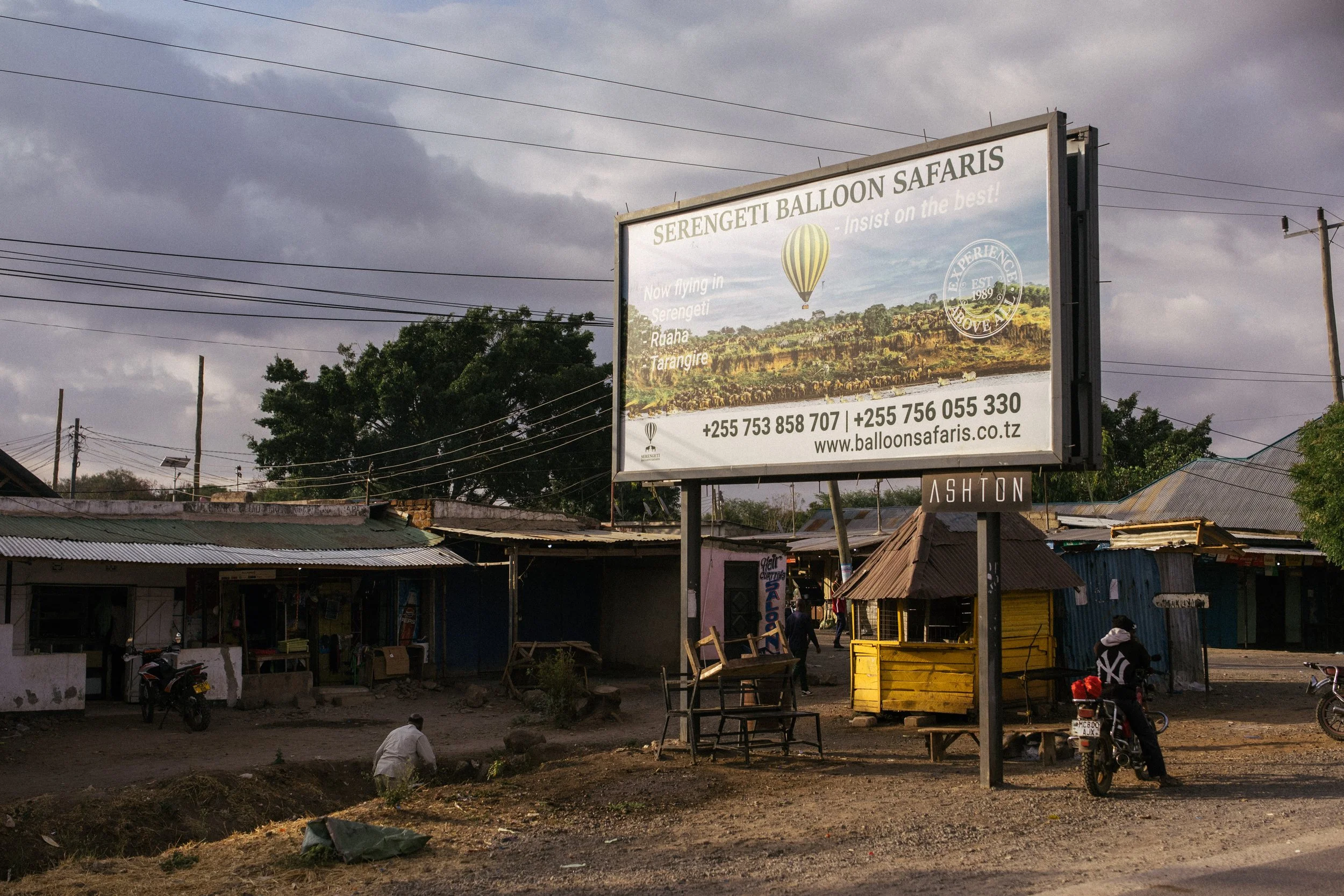
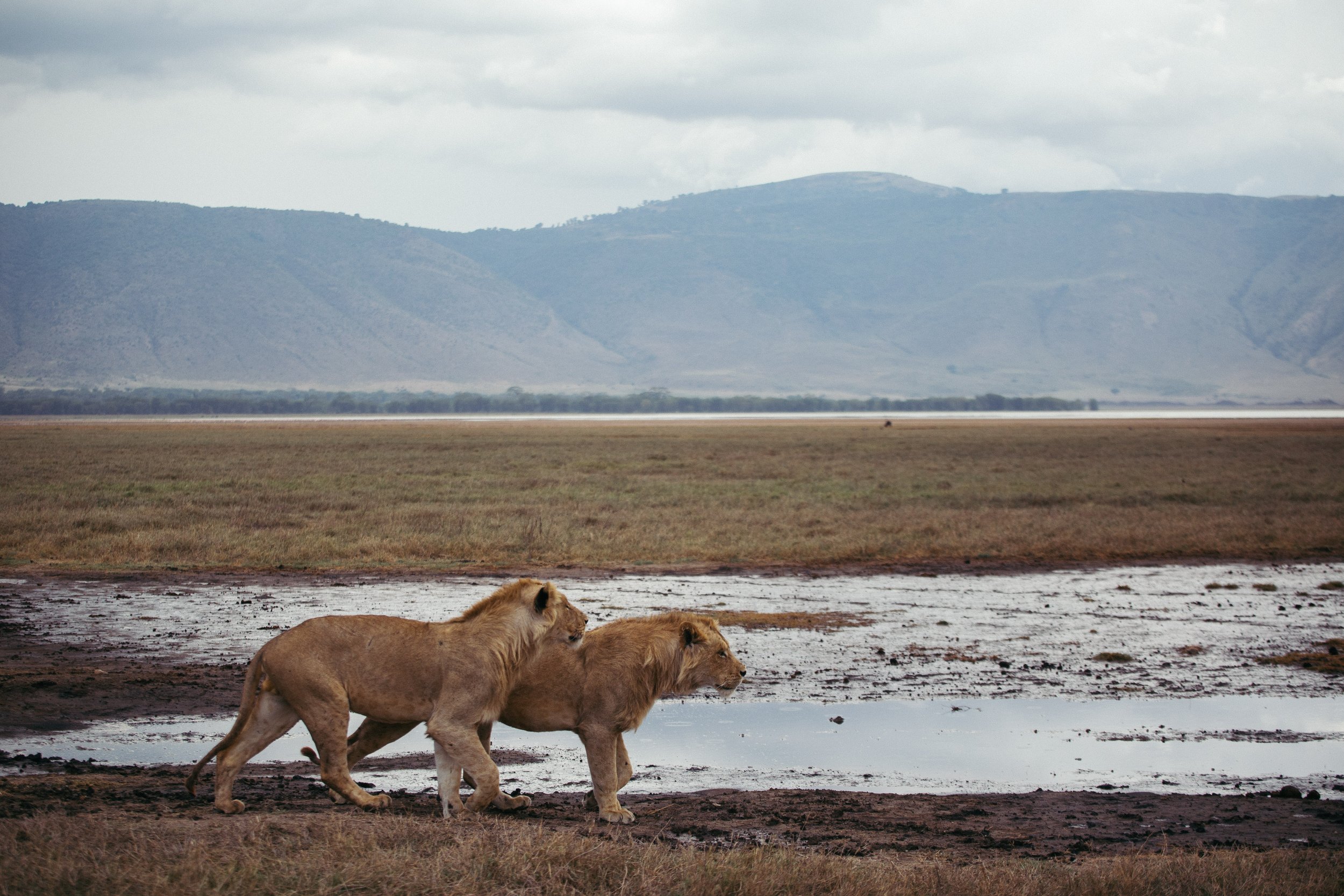
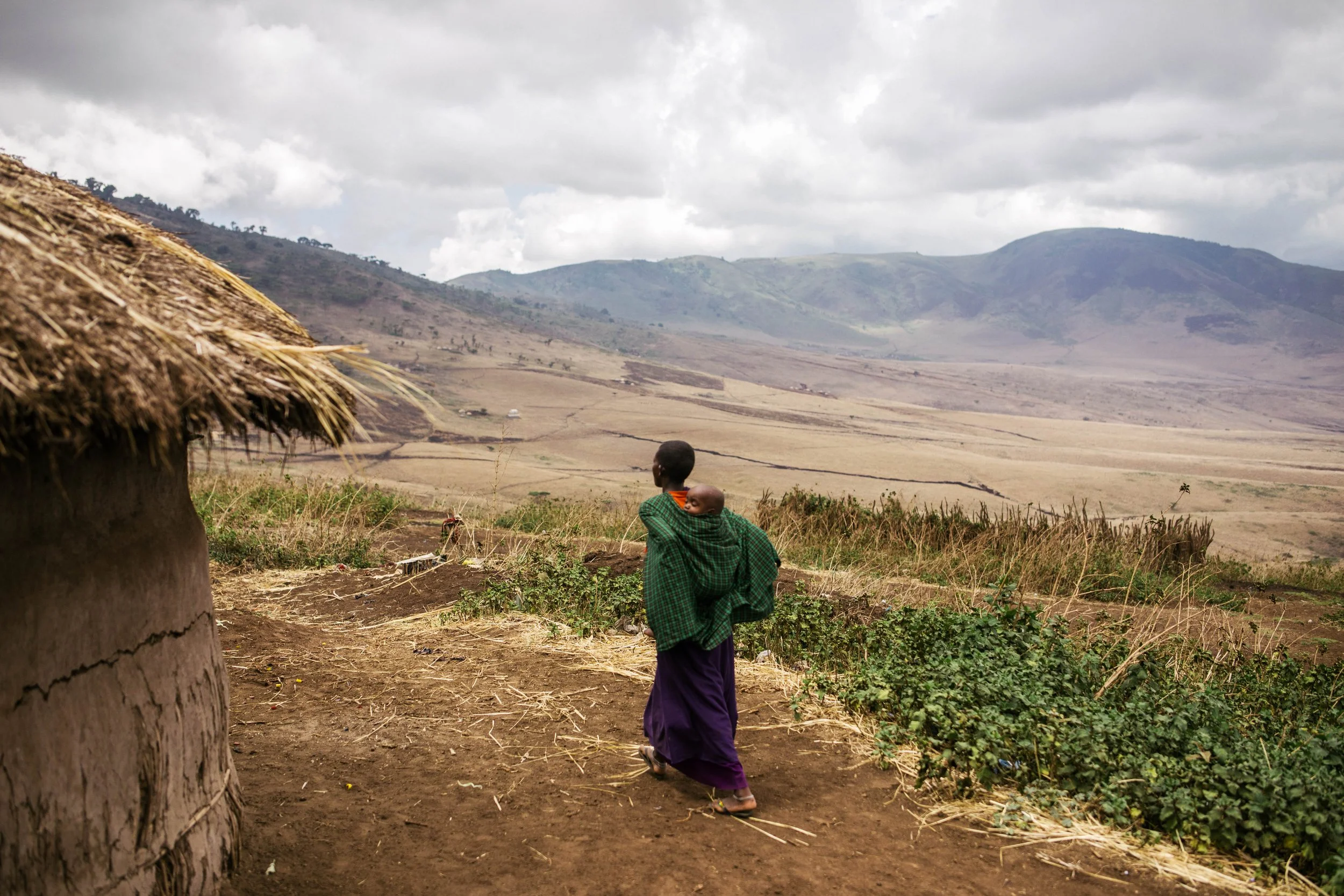
Tanzania was one of the first countries to adopt a 2022 U.N. pact on biodiversity, under which governments around the globe pledged to conserve at least 30% of the planet’s land by 2030. It has since passed regulations and guidelines on conservation and carbon credits that now attract more than $1 billion in foreign investments annually.
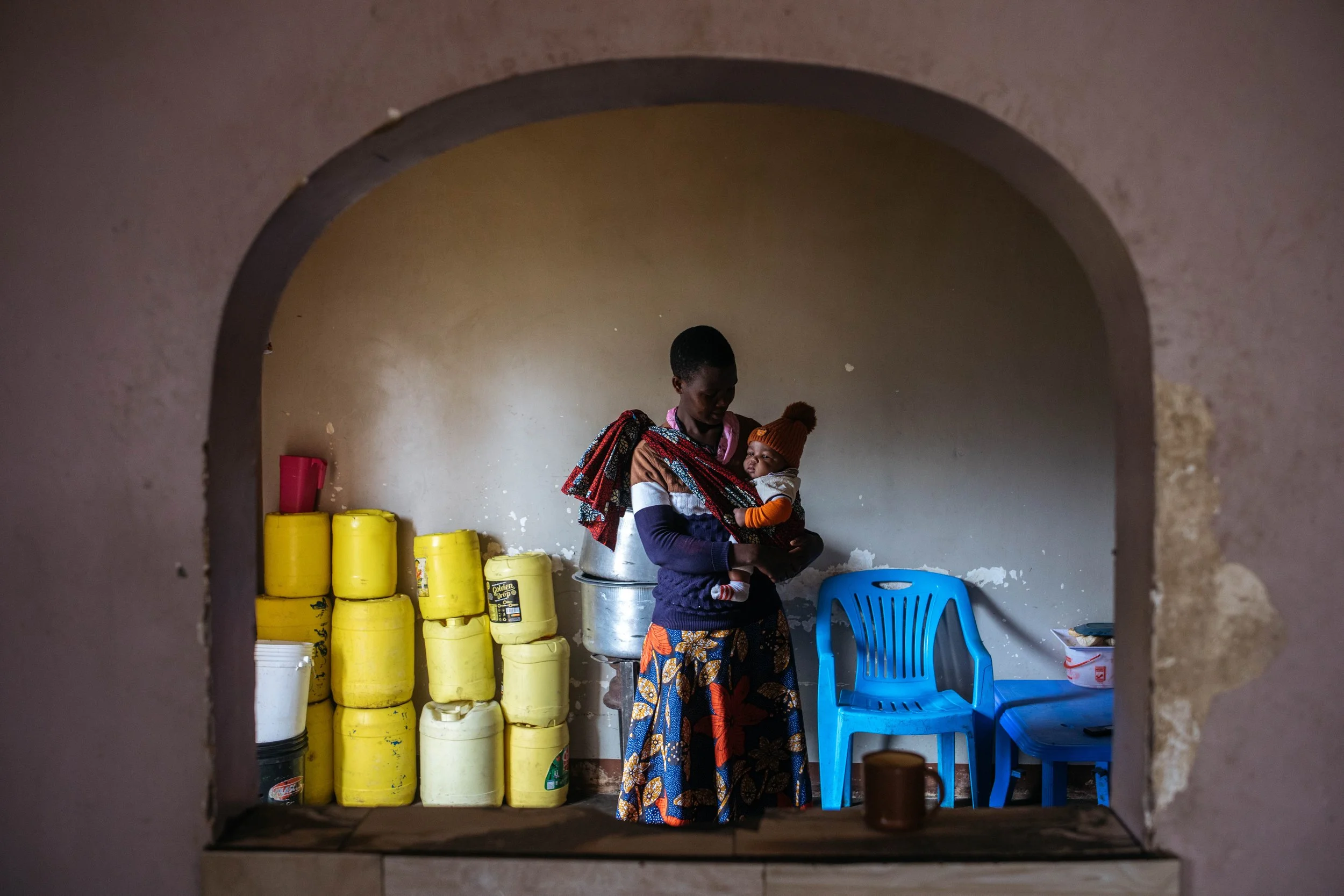
Revenue from tourism jumped 40% to $3.5 billion in 2023, about 17% of Tanzania’s gross domestic product, and according to government projections could reach $6 billion by 2025.
The government has already set aside swaths of land around the Ngorongoro Crater previously reserved for the Maasai for the construction of a China-funded geological park, where tourists and researchers can explore fossils, rock paintings and other archaeological artifacts dating as far back as 4 million years ago.
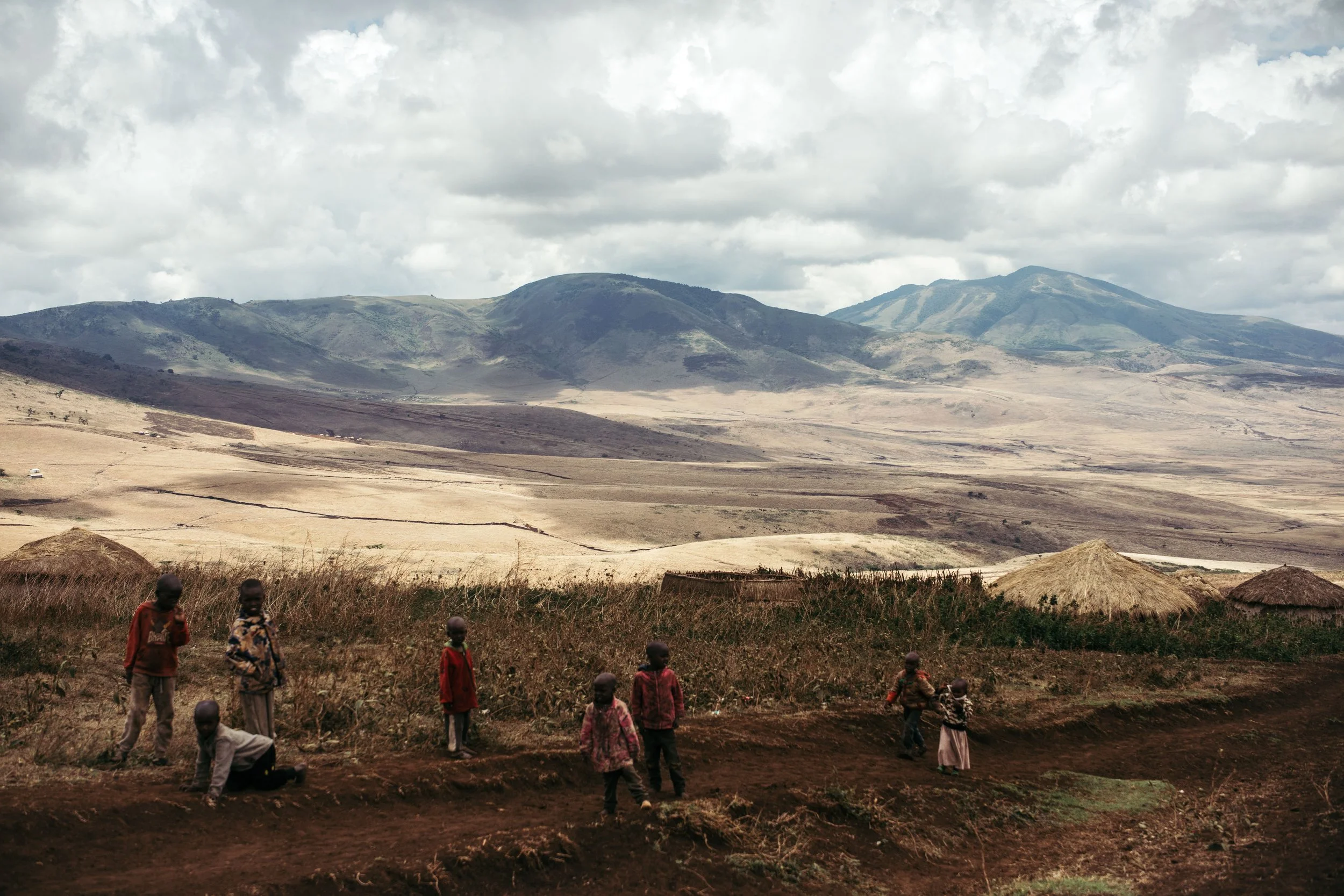
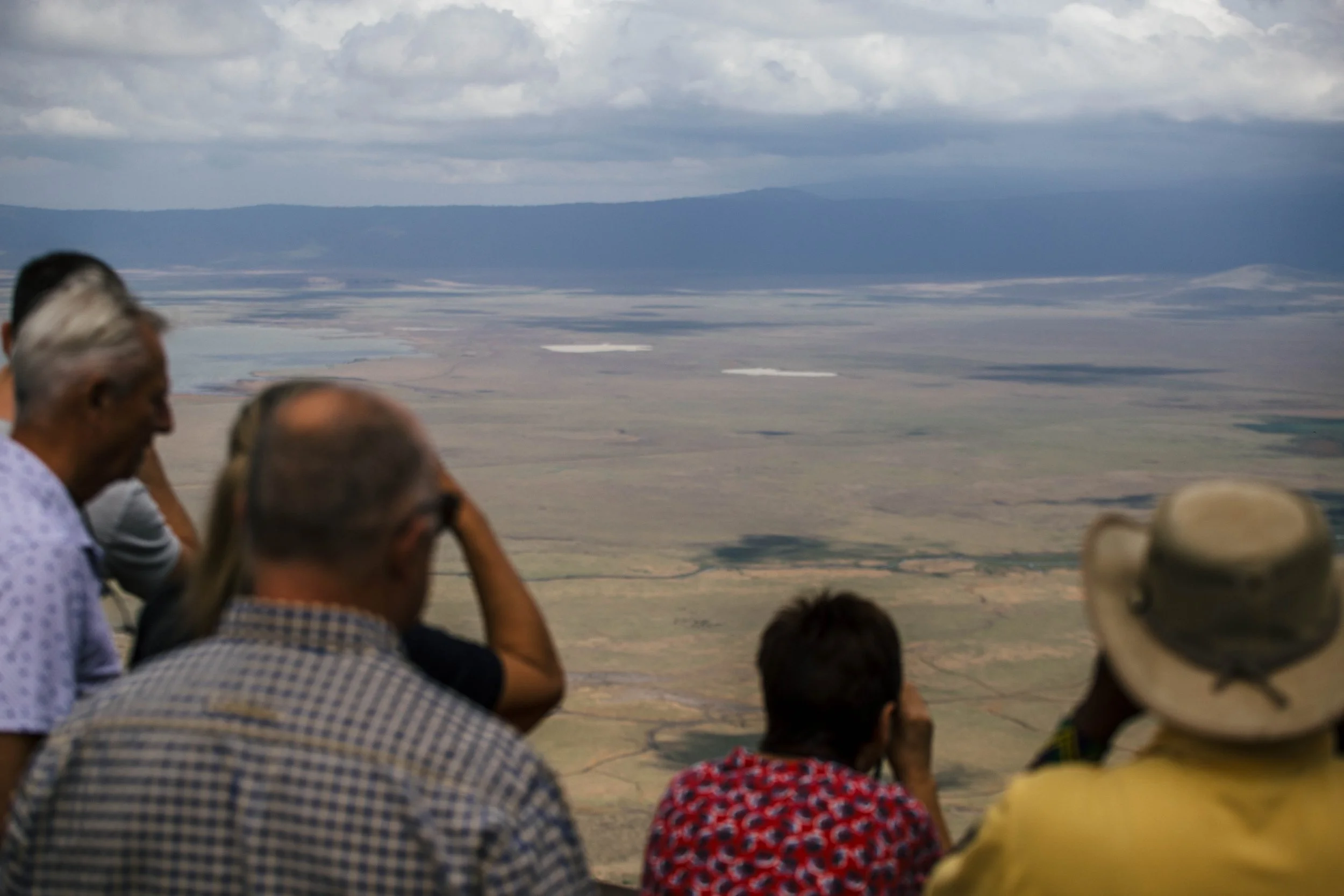
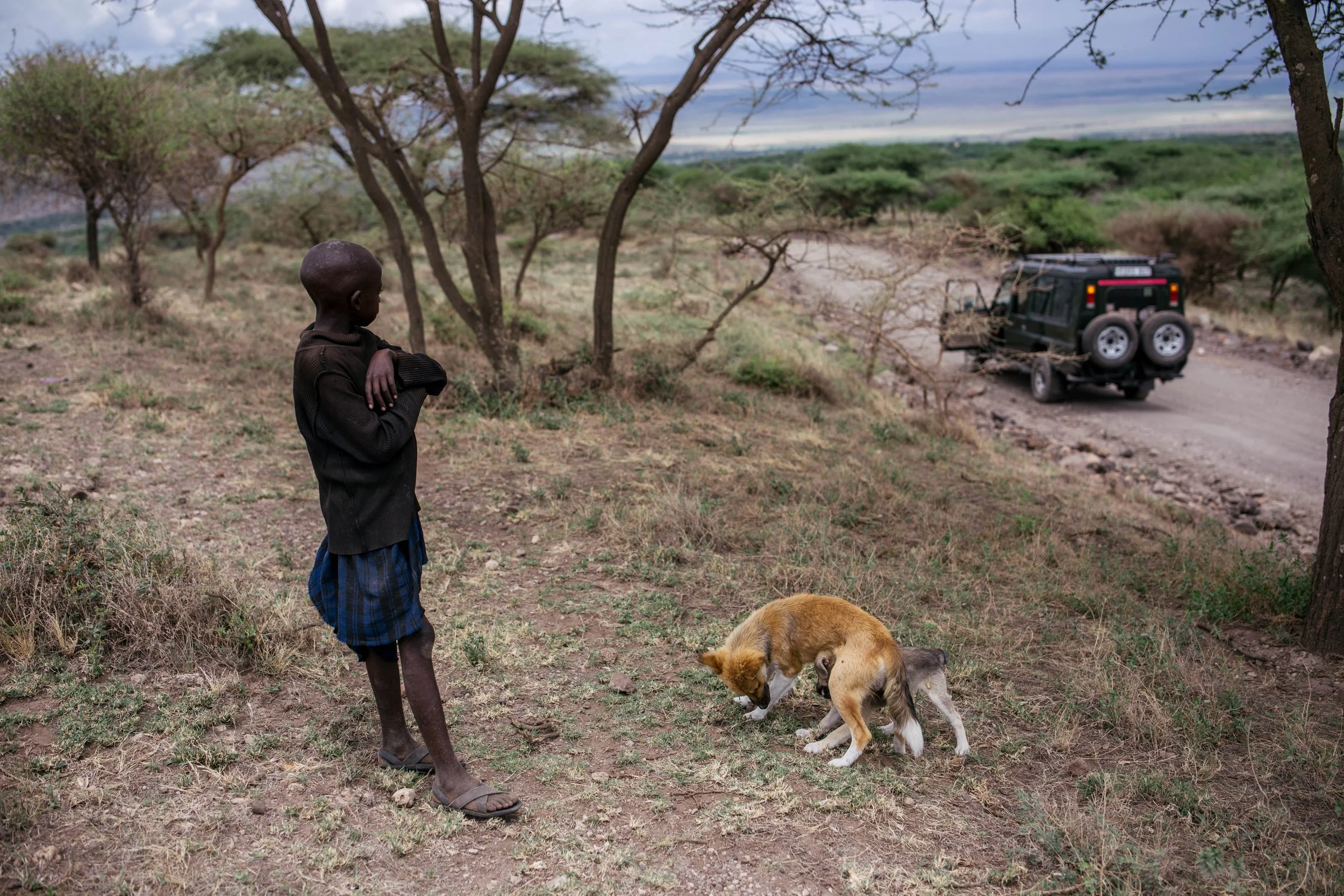
To the south of the Ngorongoro Conservation Area, a local company called Carbon Tanzania is selling carbon credits linked to about 273,000 acres of land that the Maasai and other pastoralist communities have also used for grazing and limited cultivation. The project restricts the cutting down of trees as well as cultivation.
Carbon Tanzania said it respects the rights of indigenous people and that revenue from its projects have improved local education, health services and infrastructure.
Kang-Chun Cheng a recipient of PWB’s Micro-Grant.