Work and words by Taniya Sarkar
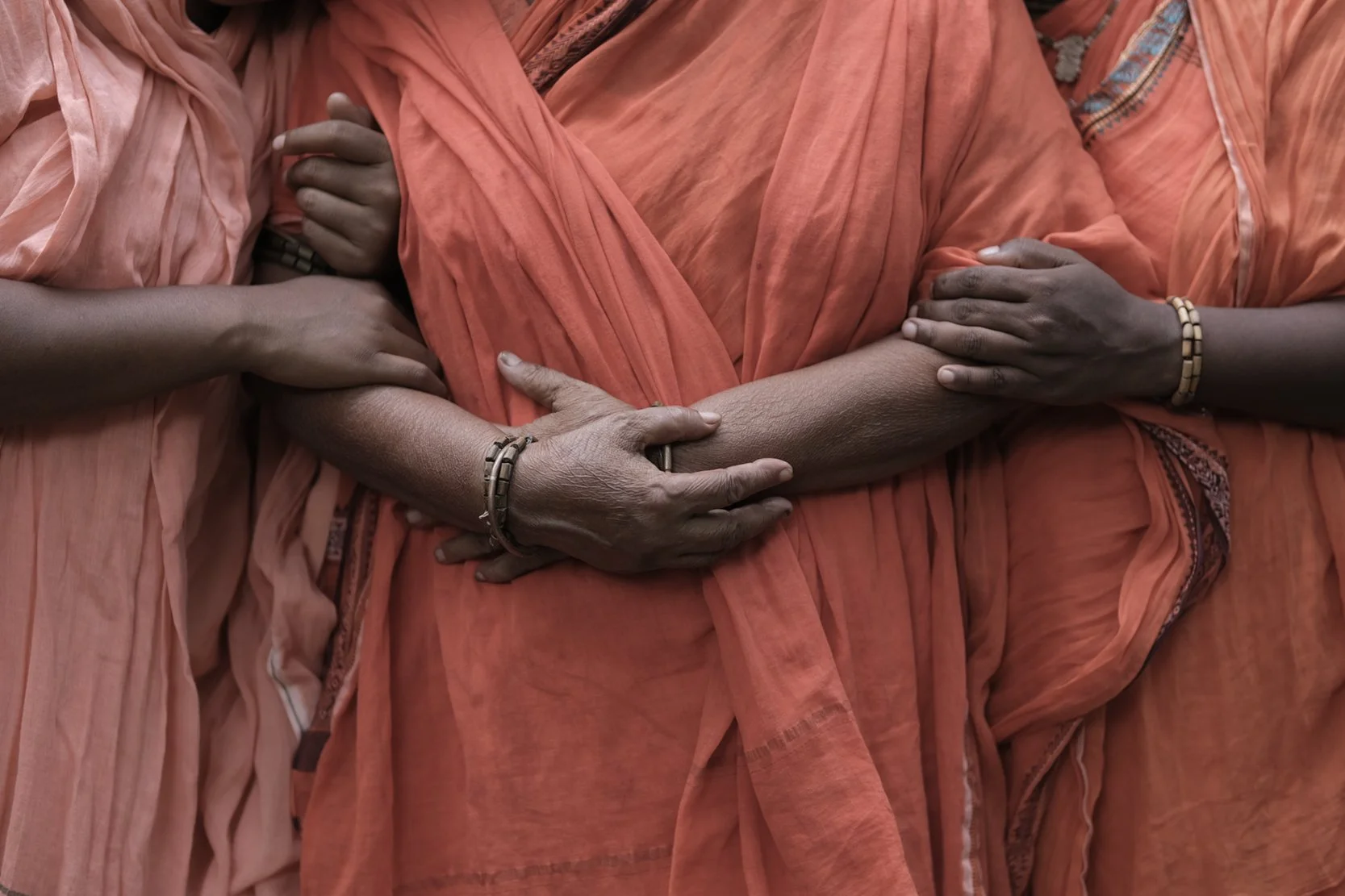
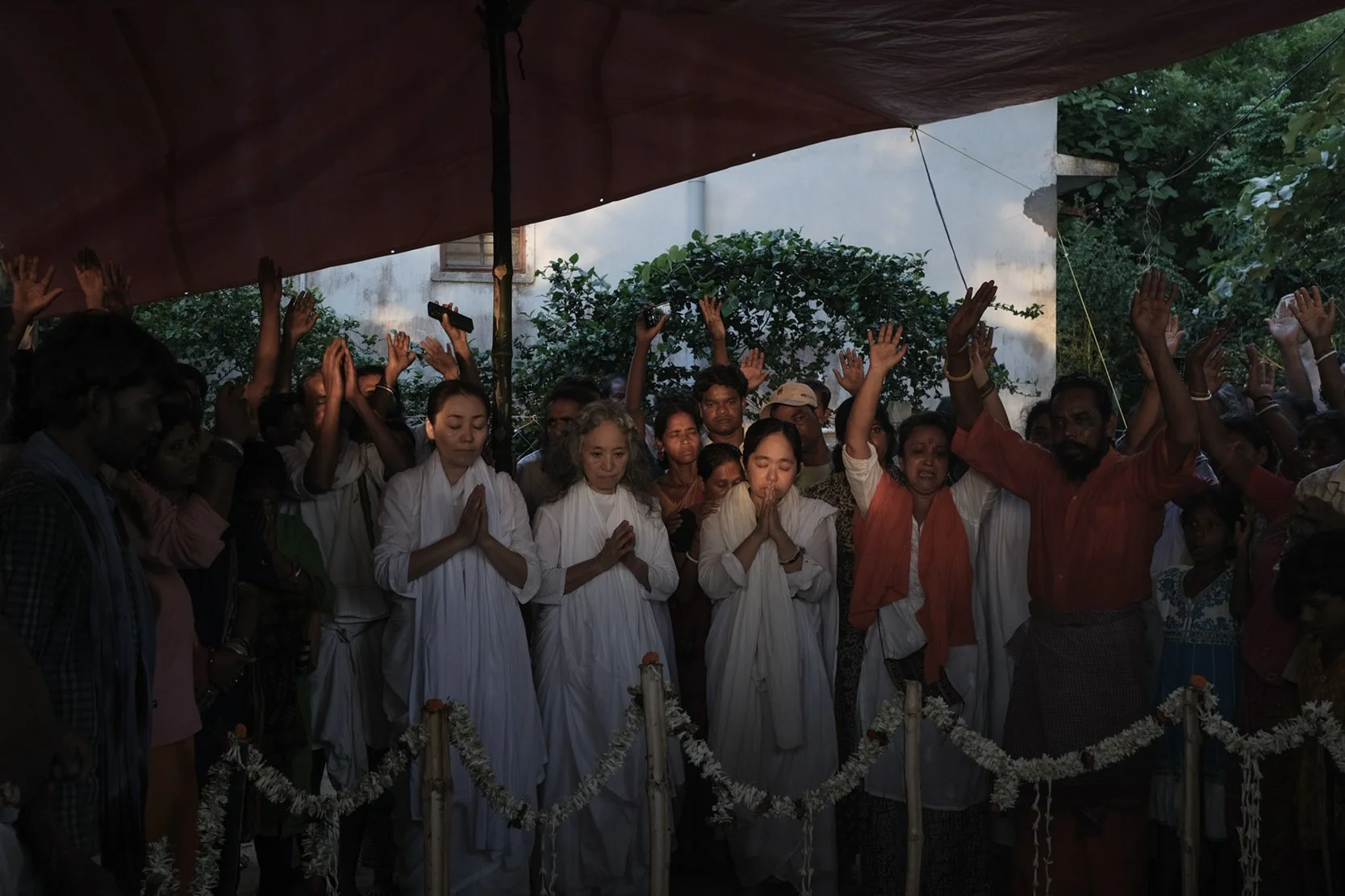
“When I Dive into the Realm of Your Endlessness” explores the spiritual practices, philosophies, everyday lives, and artistic expressions of women within the Baul and Fakir communities of West Bengal, India, and Bangladesh. Baul and Fakir traditions are diverse forms of vernacular spirituality that have developed in Bengal through centuries of interaction among Hindu, Buddhist, Vaishnava, Tantric, Nath, and Sufi traditions. Their practices place particular importance on the human body as a site of knowledge and spiritual experience, where the individual can seek an understanding of the self, the world, and the divine. The project focuses on women who participate in these traditions as practitioners, singers, companions, teachers, workers, and transmitters of knowledge, documenting their lives, relationships, practices, and personal narratives. It looks at the ways they understand themselves and their spiritual lives within the social and cultural structures of Bengal, where caste, patriarchy, religion, family, and economic circumstances continue to shape everyday experience. The project also follows the changes taking place within these communities amid increasing political and religious polarisation, changing rural economies, migration, cultural commodification, and new forms of public representation. Through the experiences of these women, the project explores the ways Baul-Fakir practices continue to shape ideas of the body, gender, knowledge, spirituality, intimacy, and the individual’s relationship with society.
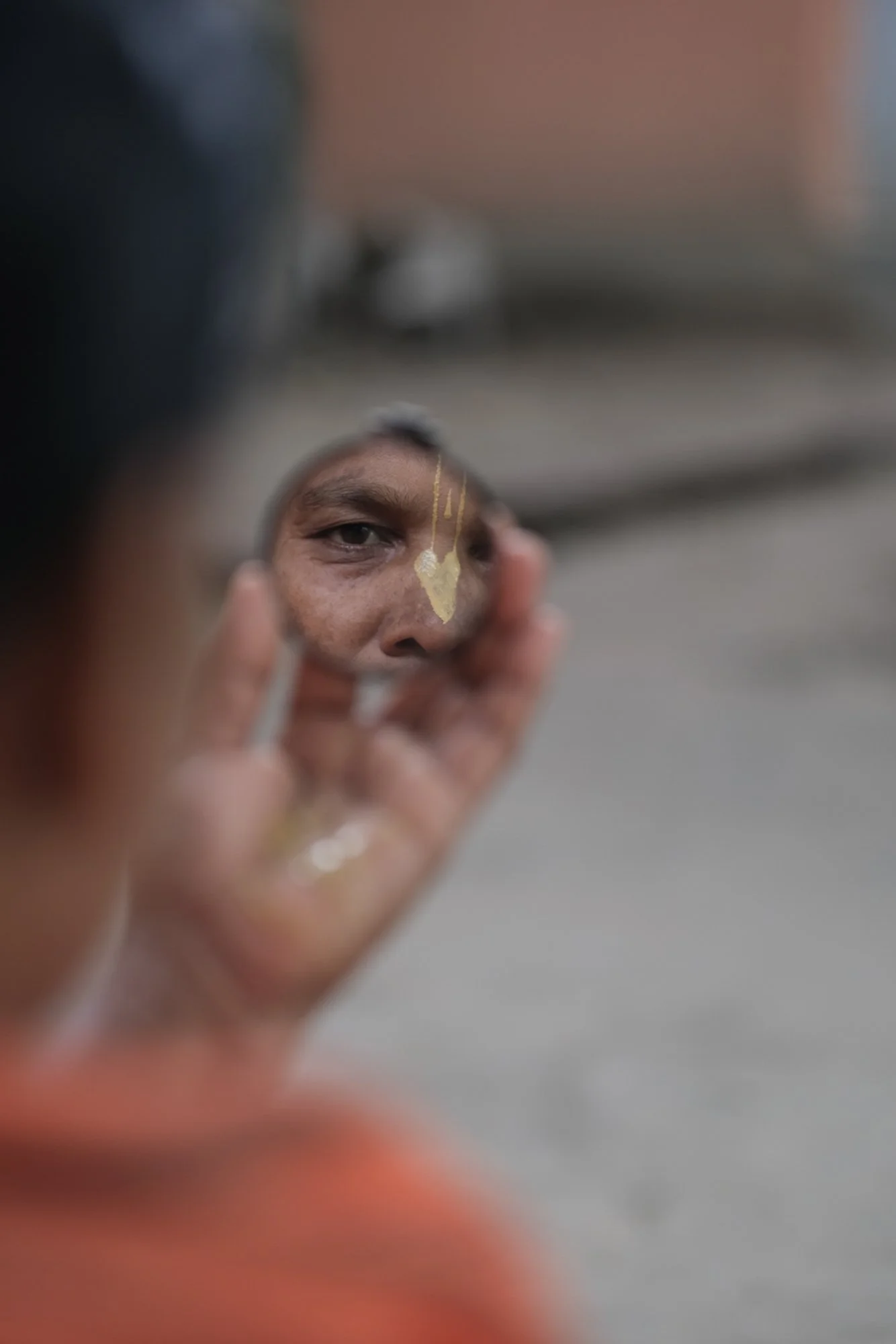
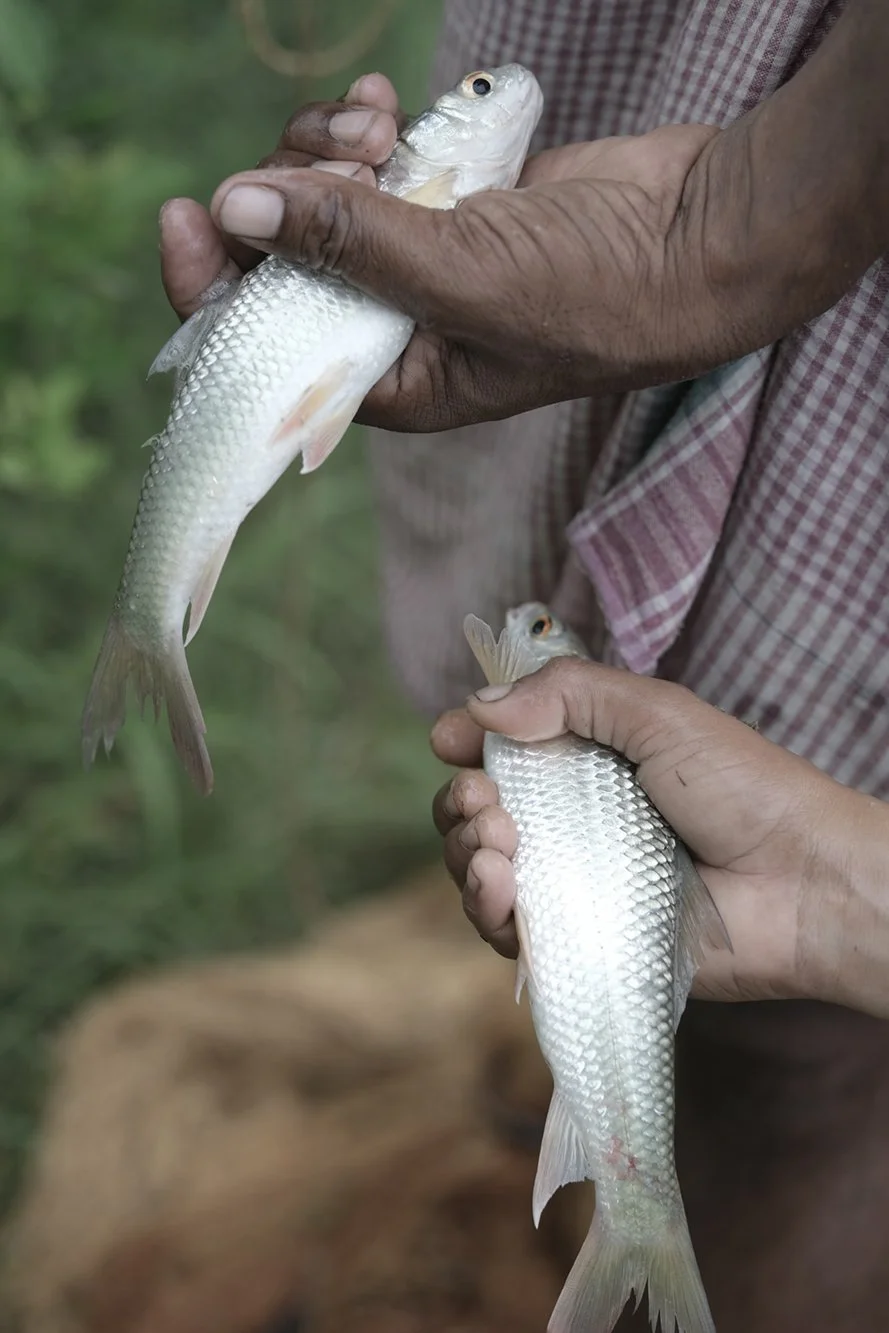
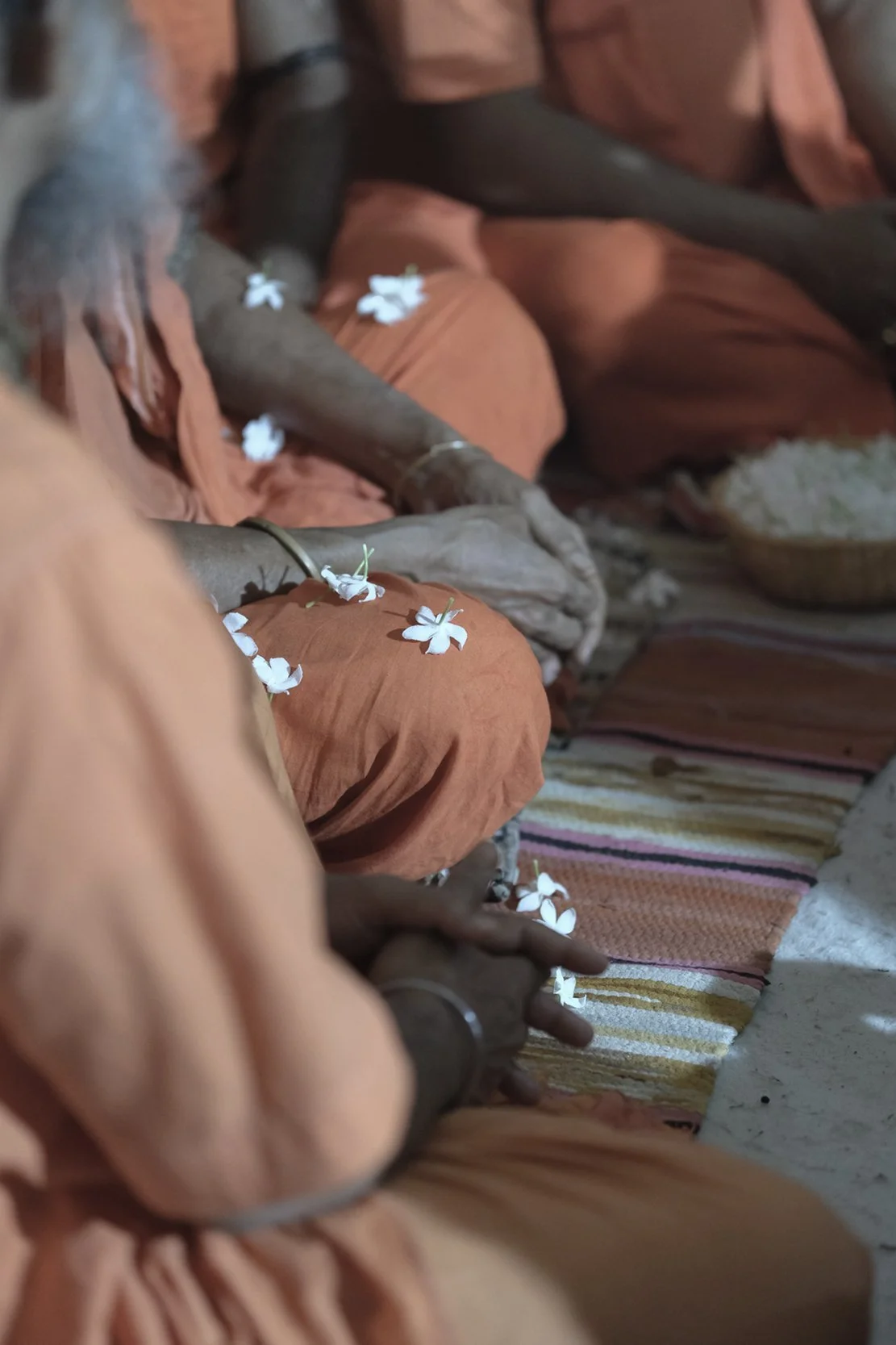
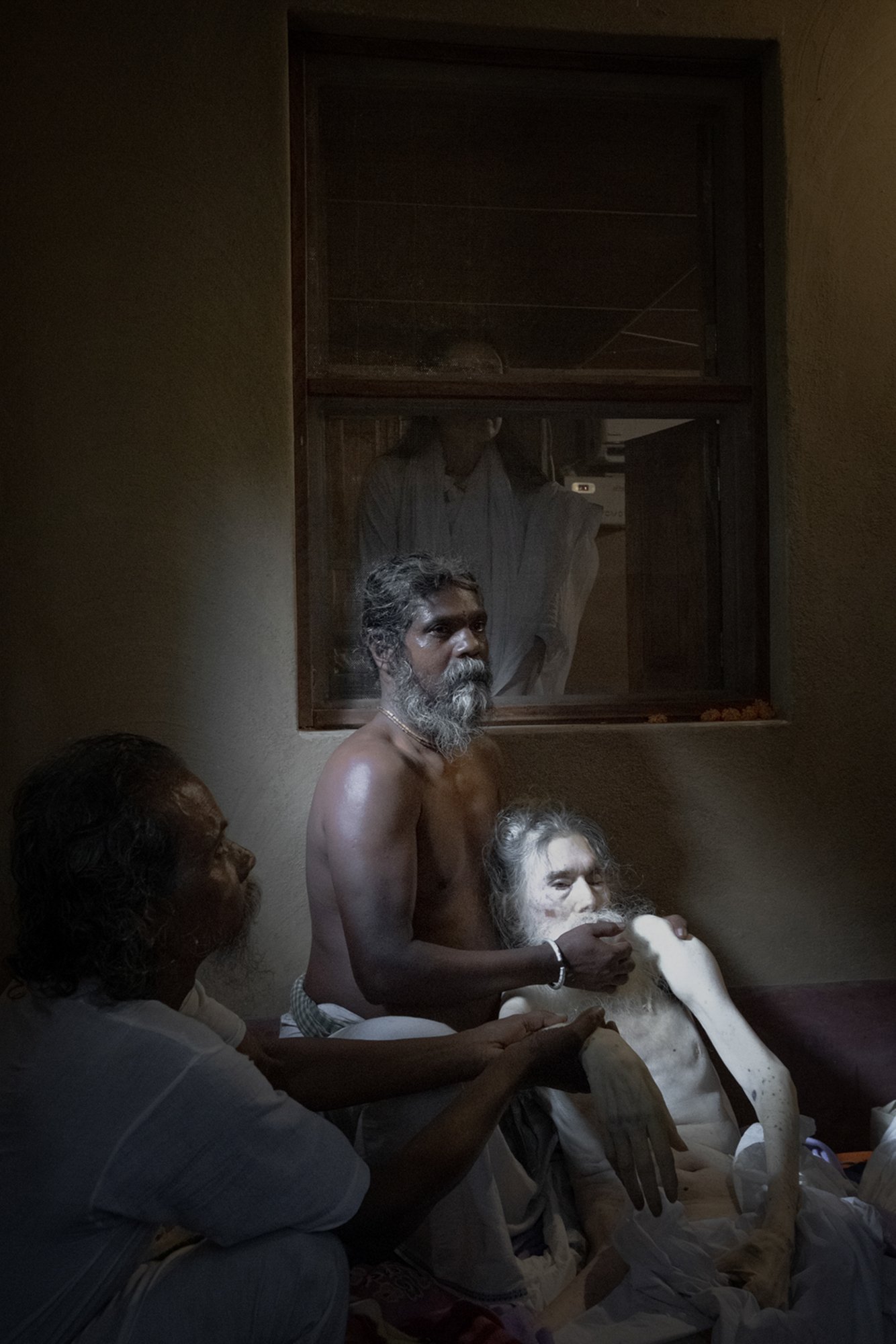
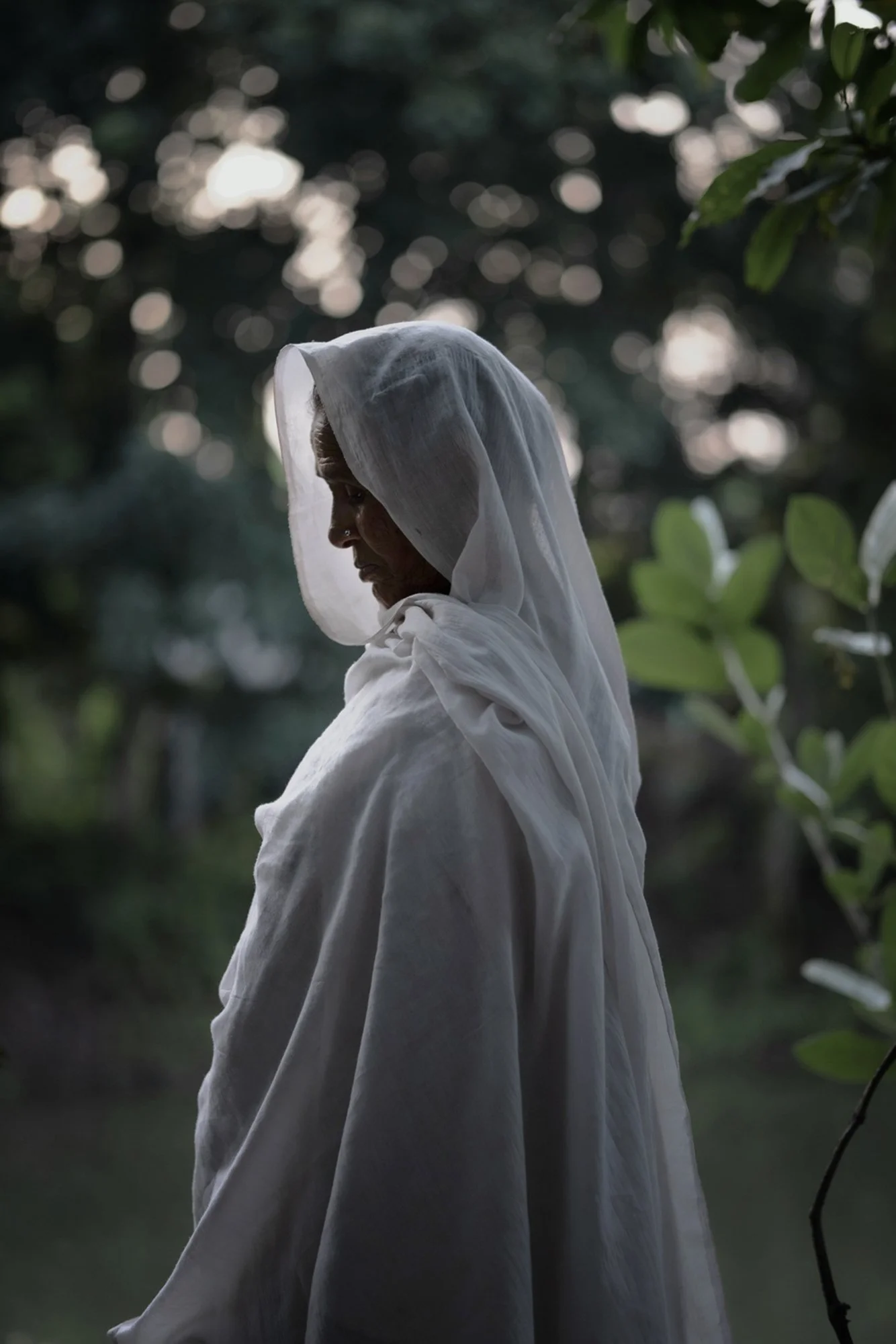
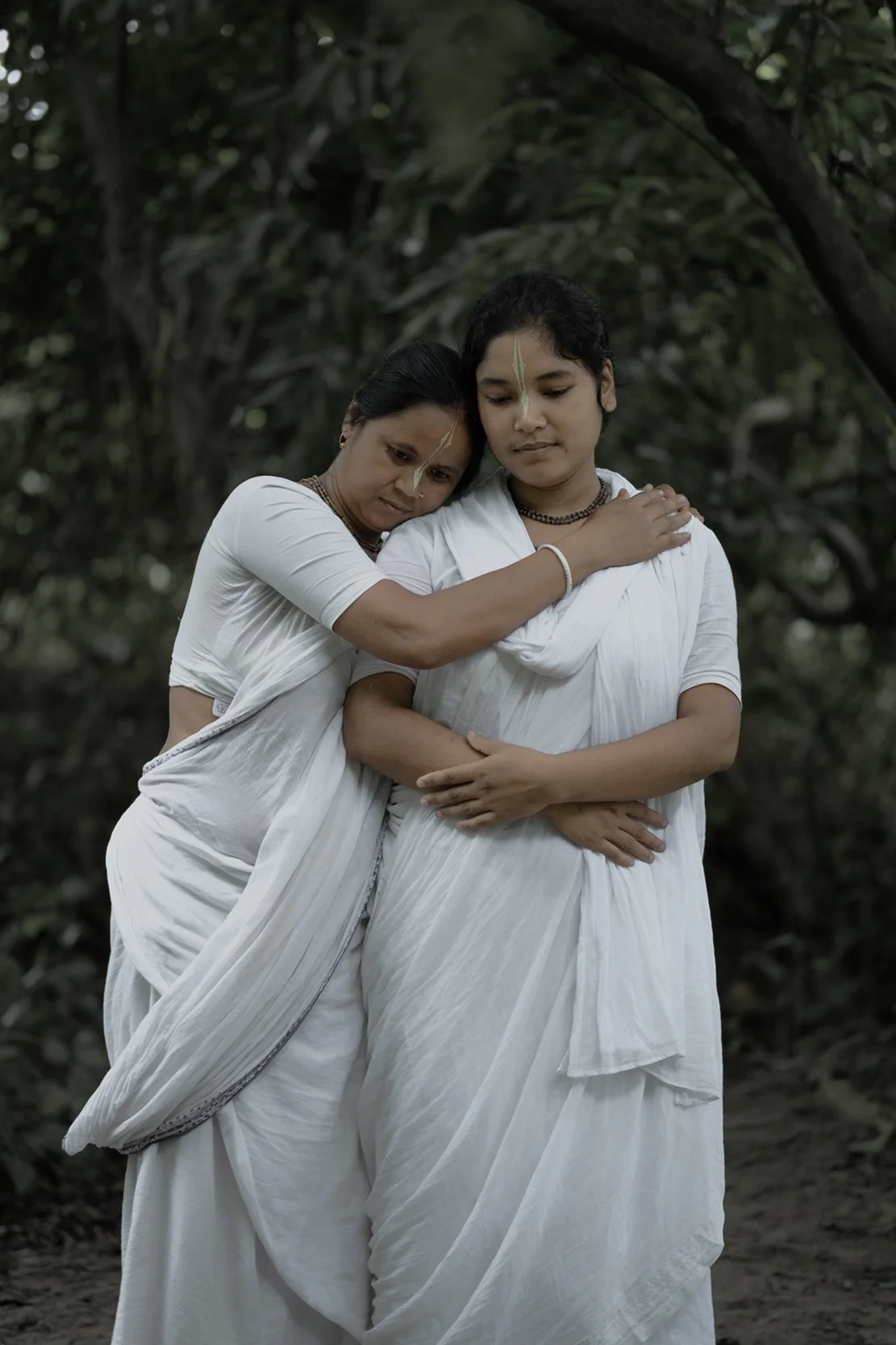
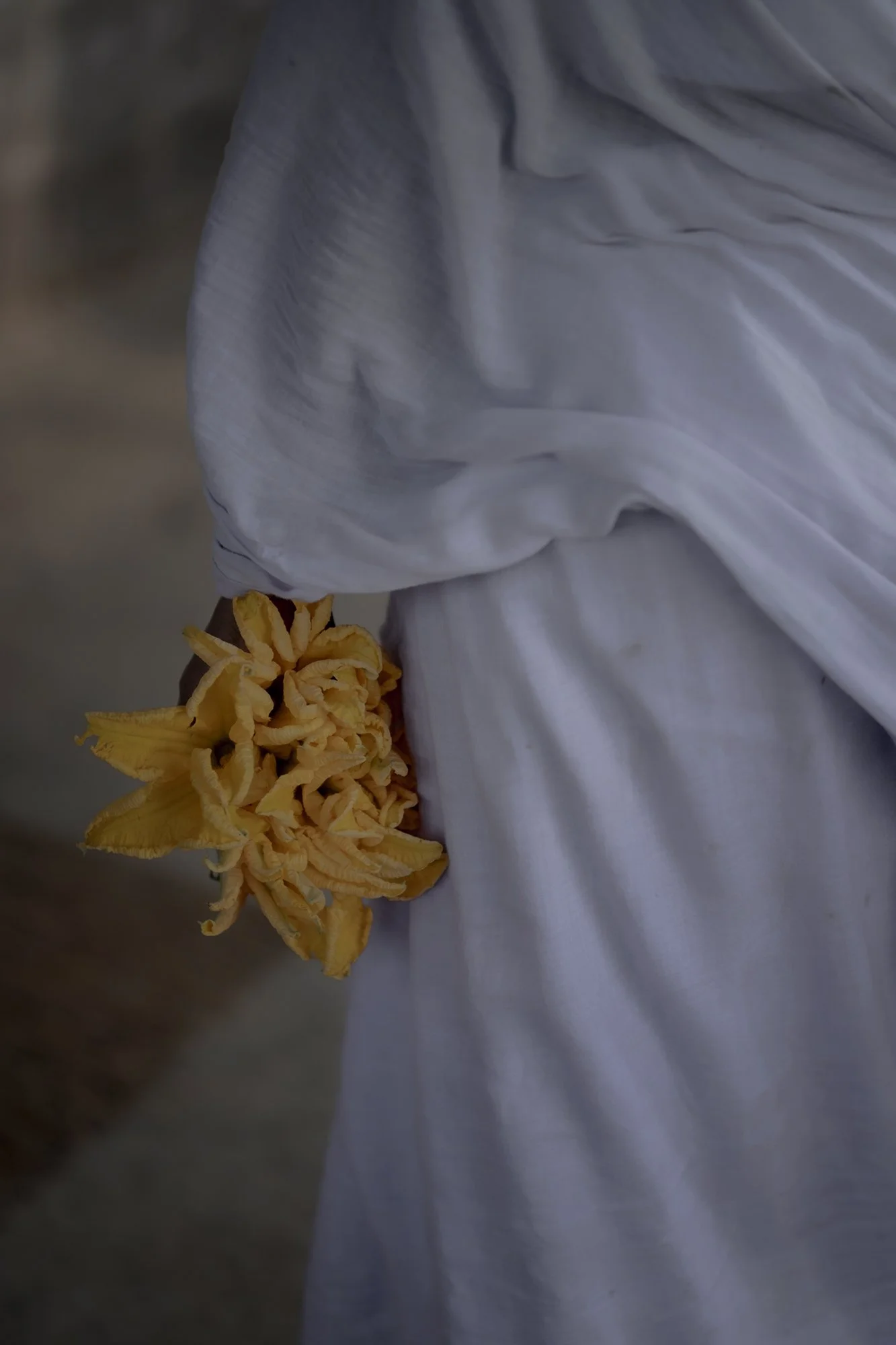
At the center of Baul practice is sādhanā, a term referring to a sustained process of spiritual practice and self-cultivation. Devotional love, or prema, is understood as a means of transforming desire and attachment through spiritual practice and a deeper engagement with the self. In some Baul lineages, Jugal Sādhanā involves the intimate spiritual practice of a man and a woman, giving the female practitioner an important role in particular forms of spiritual practice and knowledge. Such a woman may be described as a Sādhan-Saṅginī, or companion in spiritual practice, although the meaning and role of this position differ between communities and lineages. These practices have often been interpreted by outsiders primarily through sexuality and eroticism, while their practitioners understand them through a wider framework of spiritual discipline, devotion, and embodied knowledge. Women within these communities have carried these practices through generations while developing their own ways of understanding and negotiating their roles within them. Their songs, teachings, practices, and ways of life have been shaped by a range of Bengali religious traditions, including Vaishnavism and its devotional movements, as well as Fakir and Sufi traditions. Figures such as Chaitanya Mahaprabhu, Nityananda, and Lalon Shah have played important roles in the broader religious and cultural histories through which these traditions have been interpreted. The project follows women within this living cultural landscape, paying attention to their individual experiences and the ways they preserve, reinterpret, and contribute to the continuing evolution of Baul- Fakir practices in Bengal.
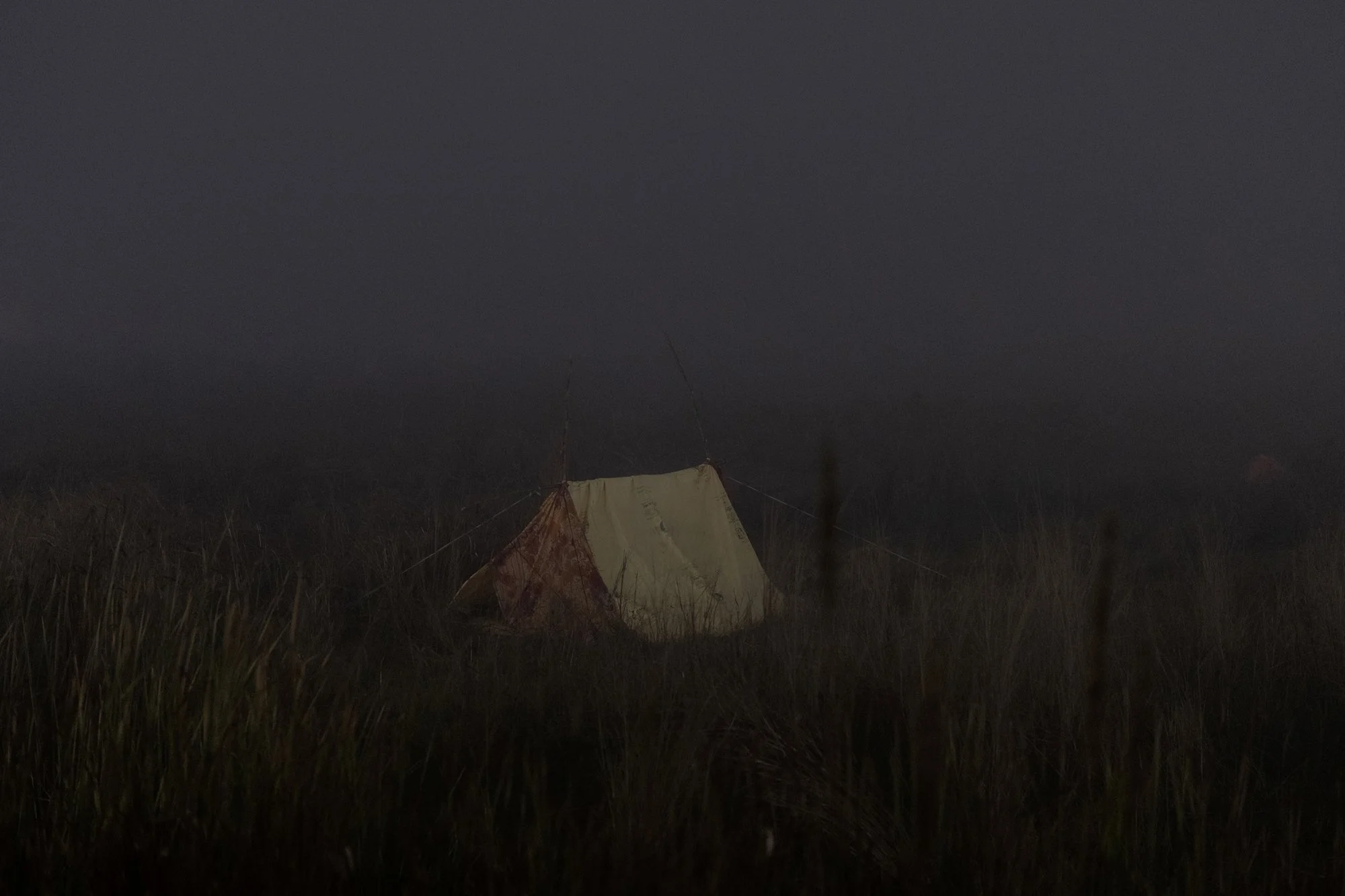
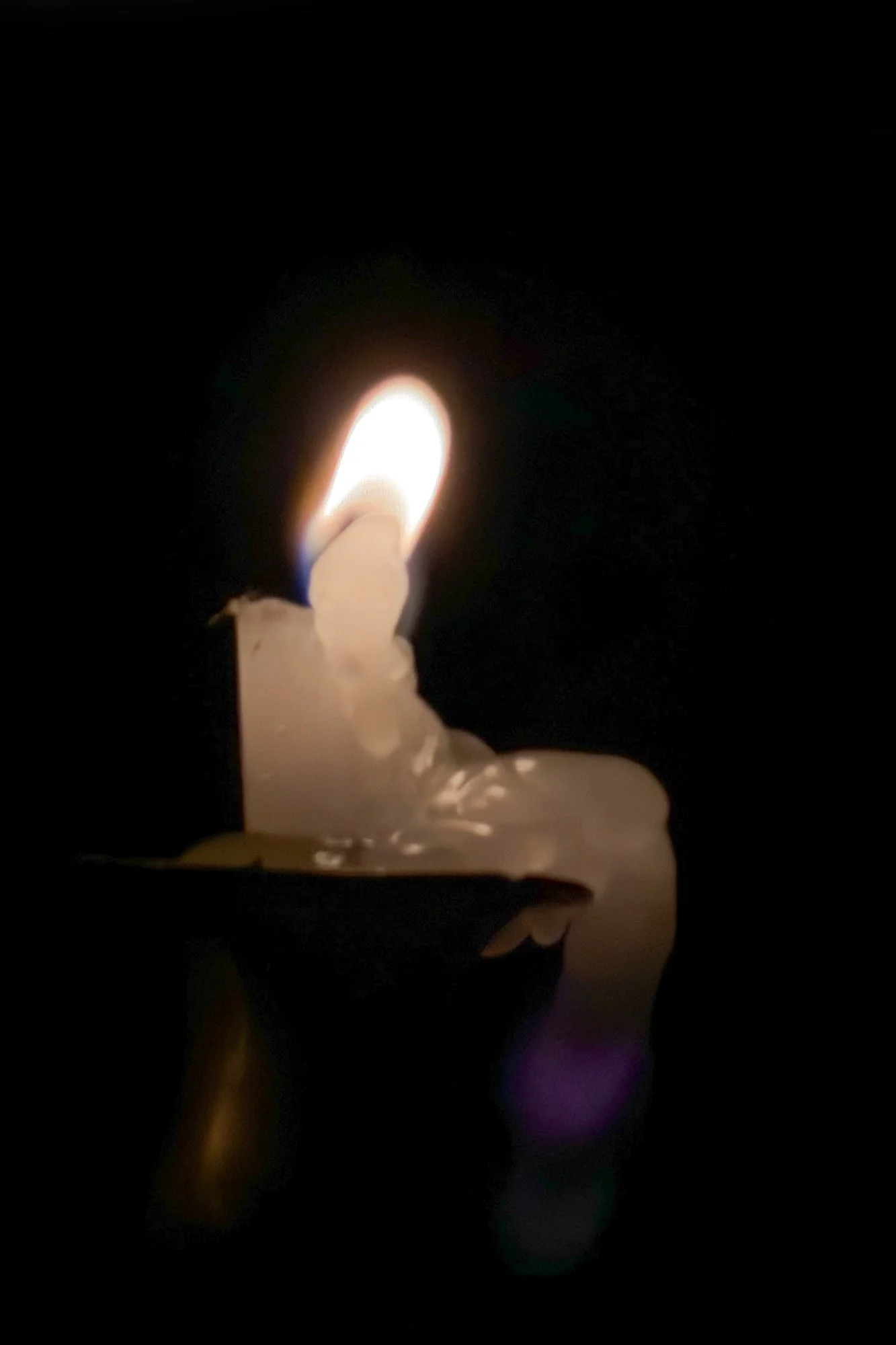
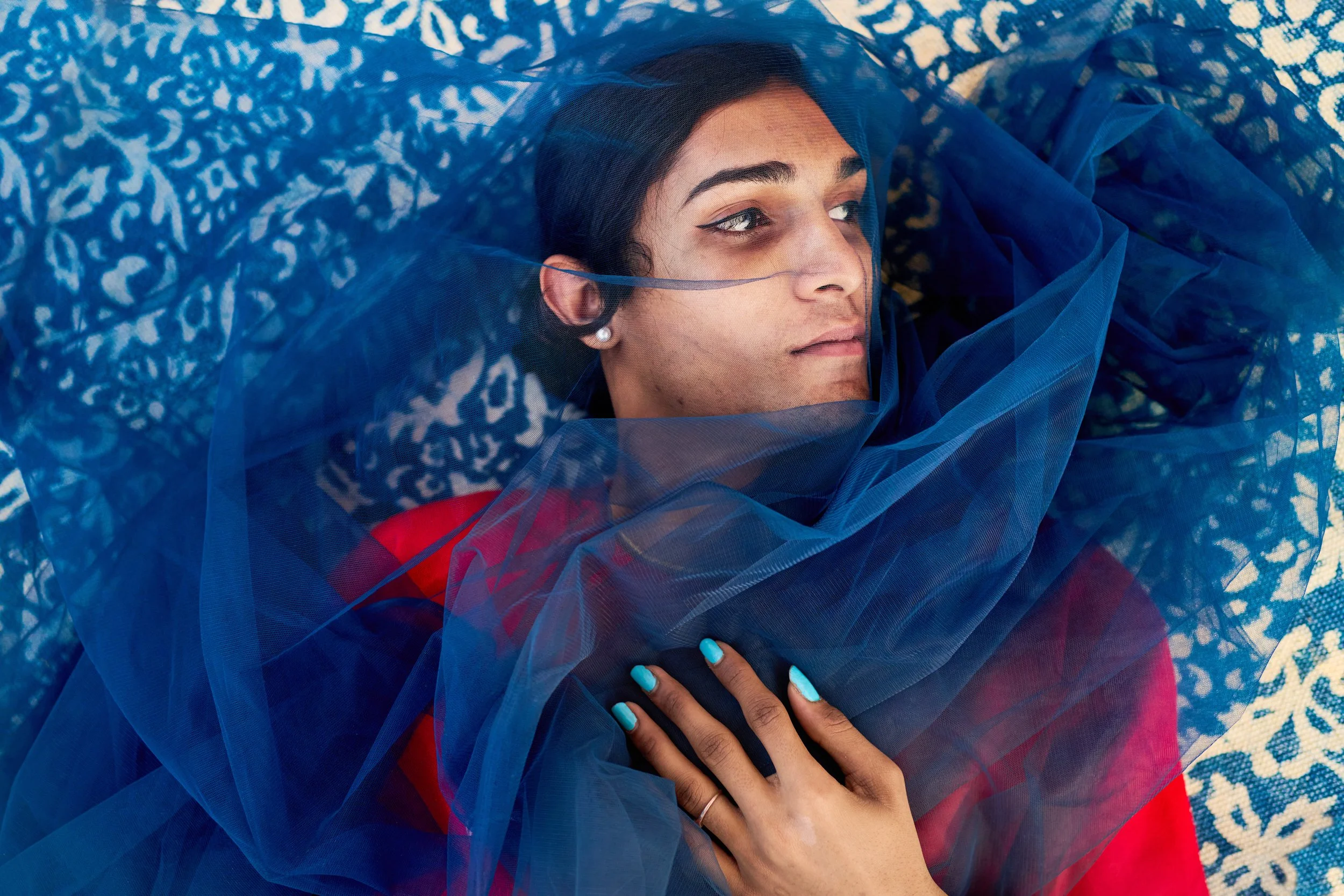
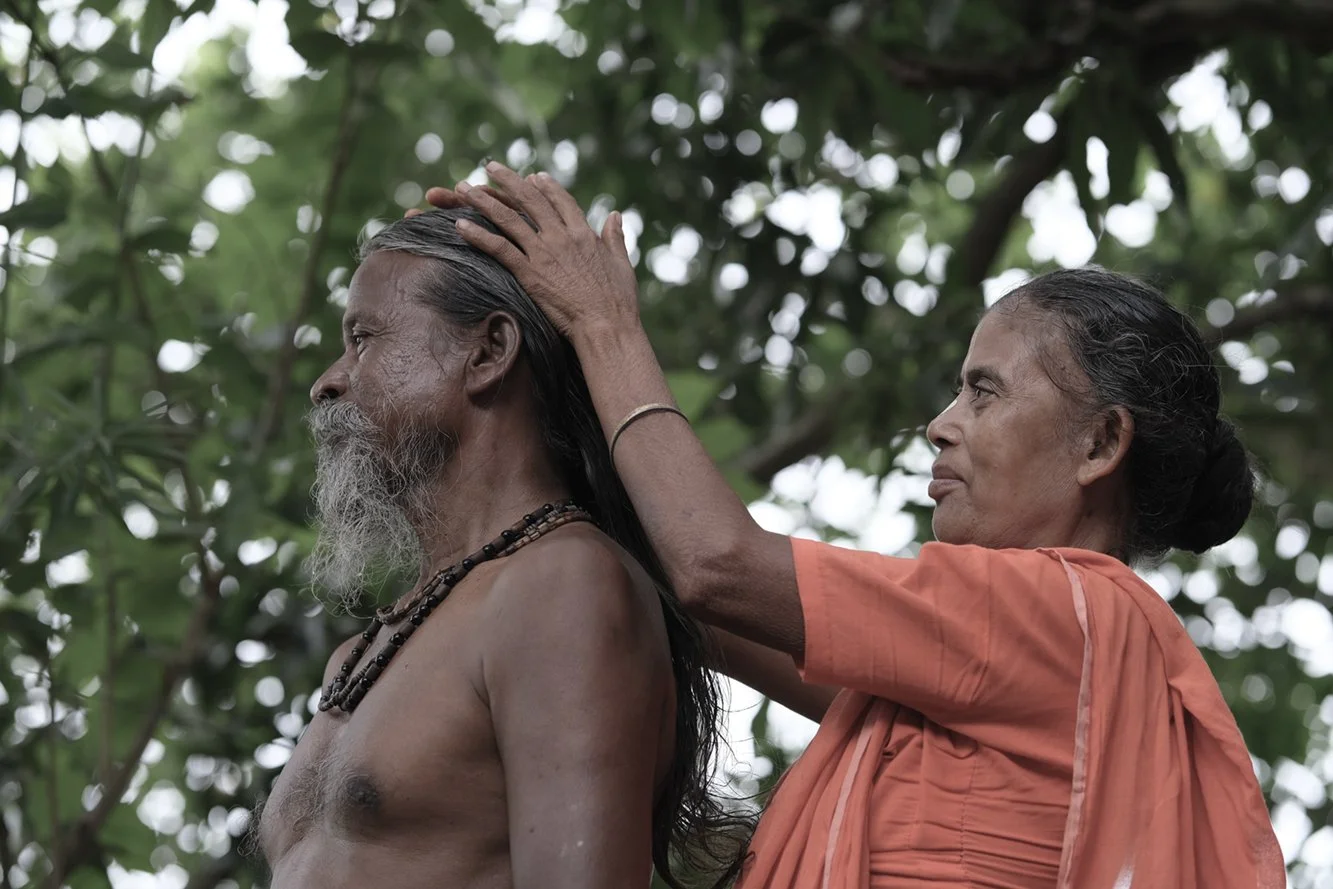
Despite disagreements within the community and among scholars, this project centers Baul-Fakir women as autonomous individuals, taking a contemporary and intimate approach to acknowledging their struggles, crises, and everyday lives as independent human beings. The significance accorded to women within these traditions, together with their deep connections to Tantric and other esoteric practices, offers an important history of female spiritual agency in Bengal. The project traces three traditional roles of women within the community: Guru, Prabartak; originators and defenders of its philosophy; and Netri, or leaders. While colonial scholarship has often reduced their intimate practices to sexuality, the intimate union within Baul-Fakir traditions cannot be understood solely through Westernised notions of sex or relationships. Women’s agency, loyalty, trust, devotion, and spiritual companionship form an important part of these relationships, although their meanings vary across communities and individual lives. At the same time, the spiritual significance accorded to women does not necessarily translate into equality in everyday life. The project explores this complexity through the ways women negotiate identity, intimacy, authority, and social expectations within their communities. Above all, rather than adhering to fixed gender roles, this age-old community and practice organically challenges and transcends gender binaries. As they believe that every living being embodies multiple characteristics within a single life and body. My relationship with these women has gradually transformed the project and my own understanding of spirituality, artistic practice, and selfhood. Their songs, philosophy, conversations, and friendships have entered my way of seeing. Their homes and spaces of practice in rural Bengal have become places of learning, reflection, and a different experience of time, intimacy, and community. Through this encounter, I have begun to question attachments shaped by my middle-class, urban upbringing; material desires; emotional dependencies; inherited expectations; and a sense of self formed through social and economic structures. Their continuous search for the self has encouraged me to reconsider my own attachments and the ways I inhabit the world. The photographic process has consequently become more than an act of observation; it has become a process of immersion, participation, and personal transformation. The poetry of the work emerges from this intimate encounter: through the way I observe, wait, listen, photograph, and allow their ways of thinking and living to enter my own artistic and personal practice.
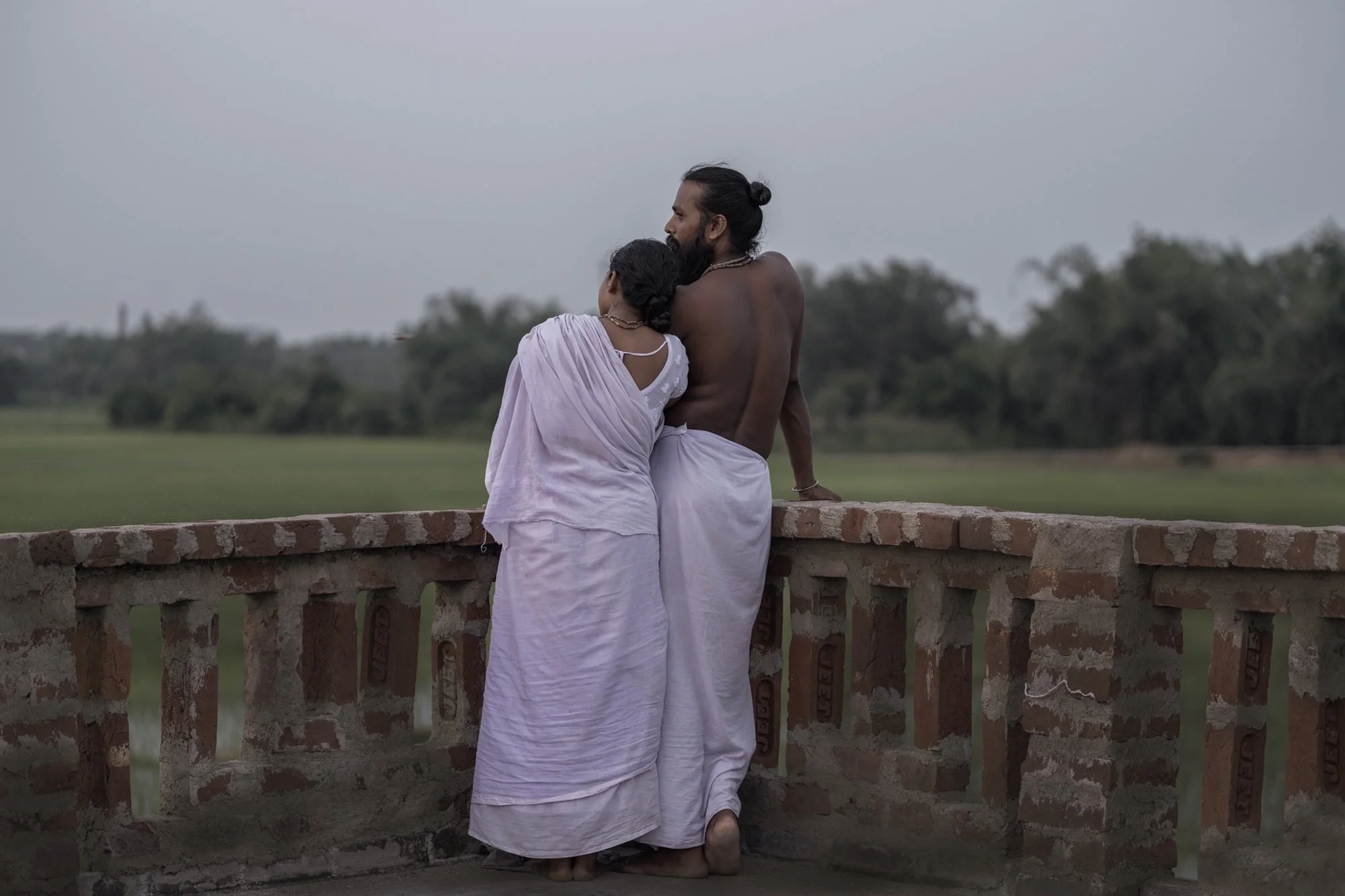
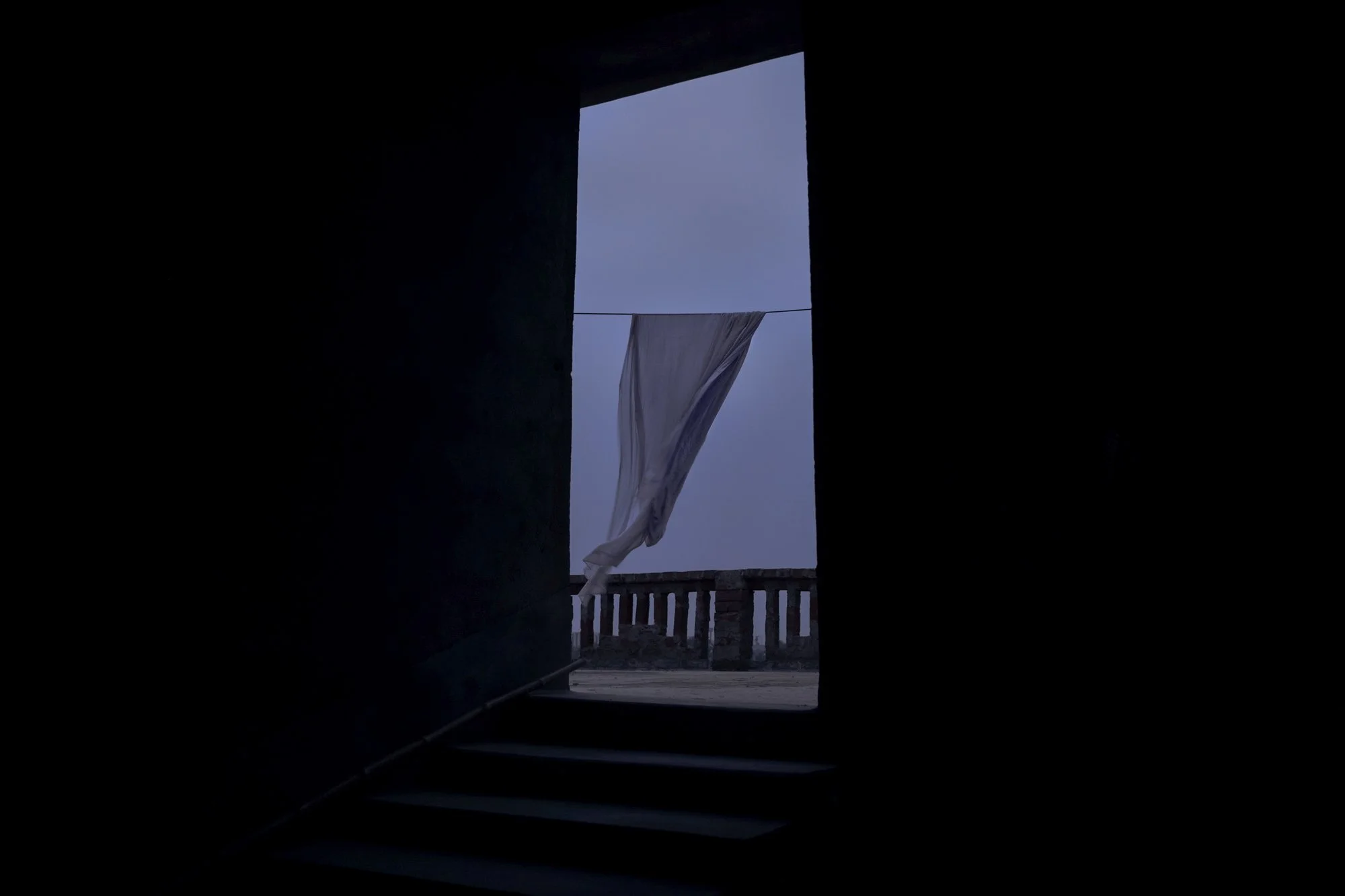

Since 2020, through my project “Nothing Left to Call Home,” I have investigated Hindu–Muslim communal violence as a form of patriarchal violence across Bengal, in West Bengal, and Bangladesh. As part of this research, I encountered Baul and Fakir communities in my home district in West Bengal and in Bangladesh, whose practices repeatedly question religious orthodoxy, caste hierarchy, and institutional authority. Yet these encounters revealed a complex contradiction between their egalitarian philosophical ideals and the patriarchal and hierarchical structures that continue to shape women’s lives within some communities. I also encountered the vulnerability of these communities to religious persecution: Islamist extremist groups have raided Baul and Fakir ashrams and akhras (spiritual centers and gathering spaces), threatening practitioners, damaging or destroying musical instruments, and particularly targeting women through intimidation and violence.

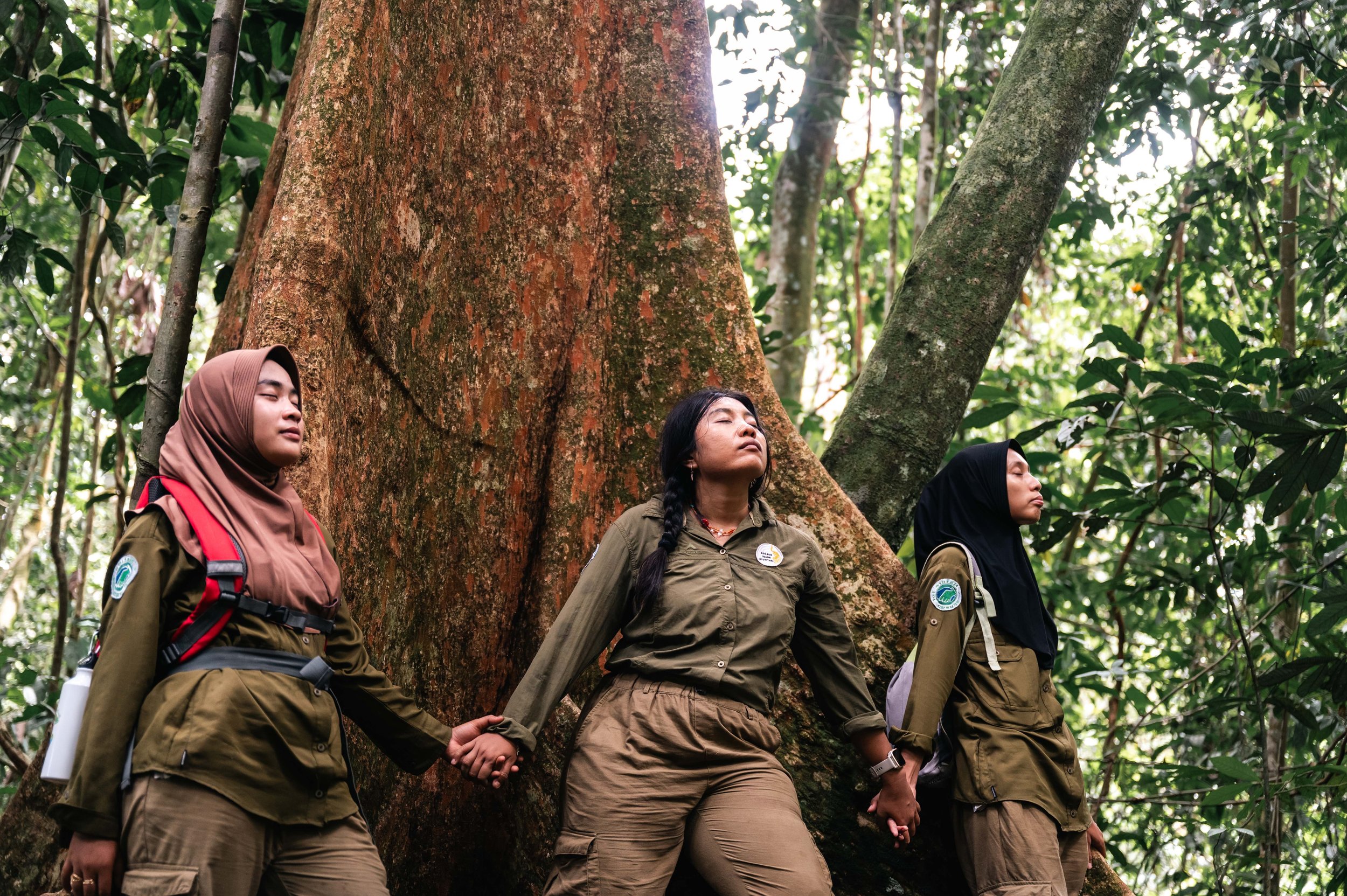
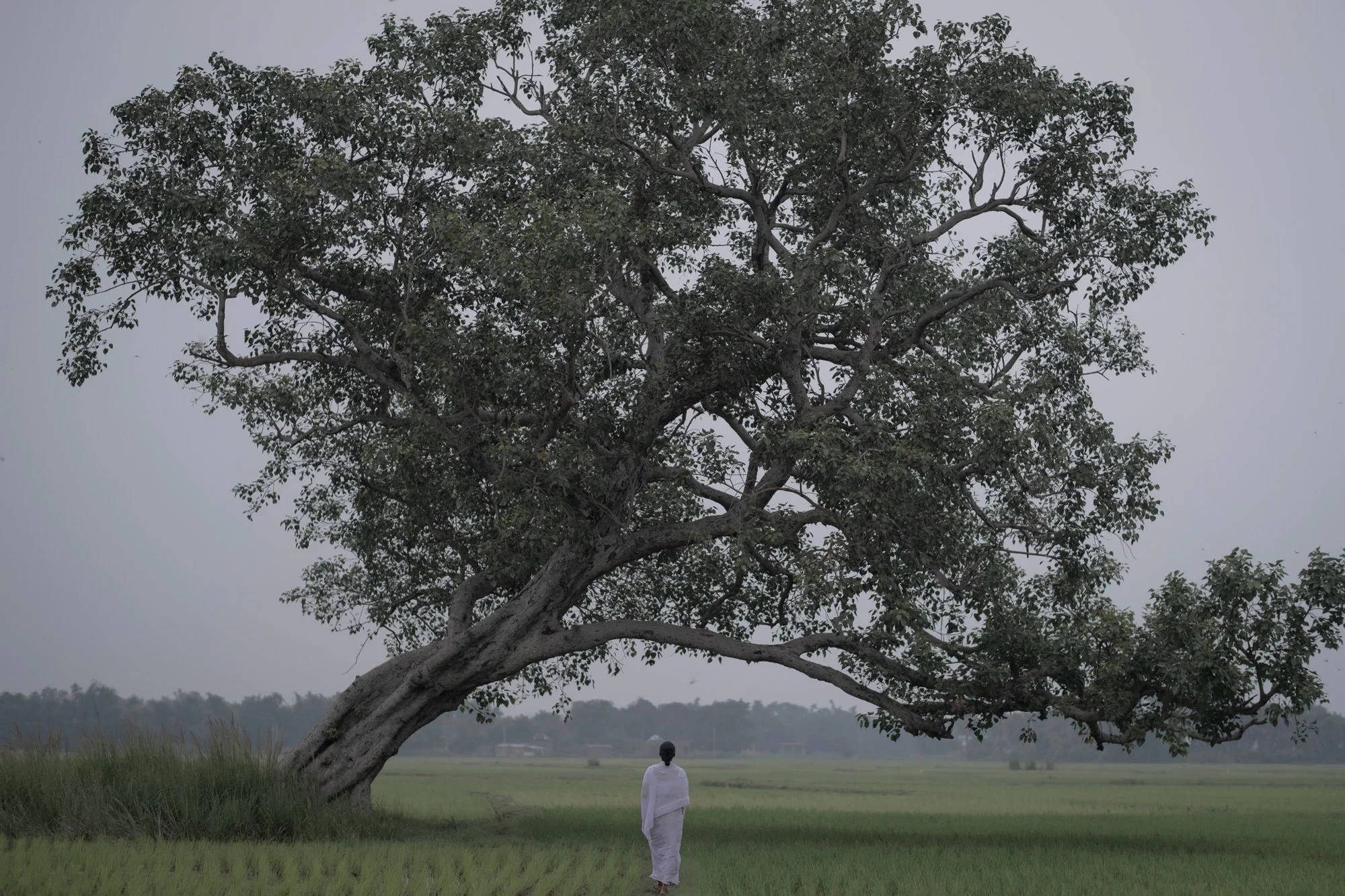
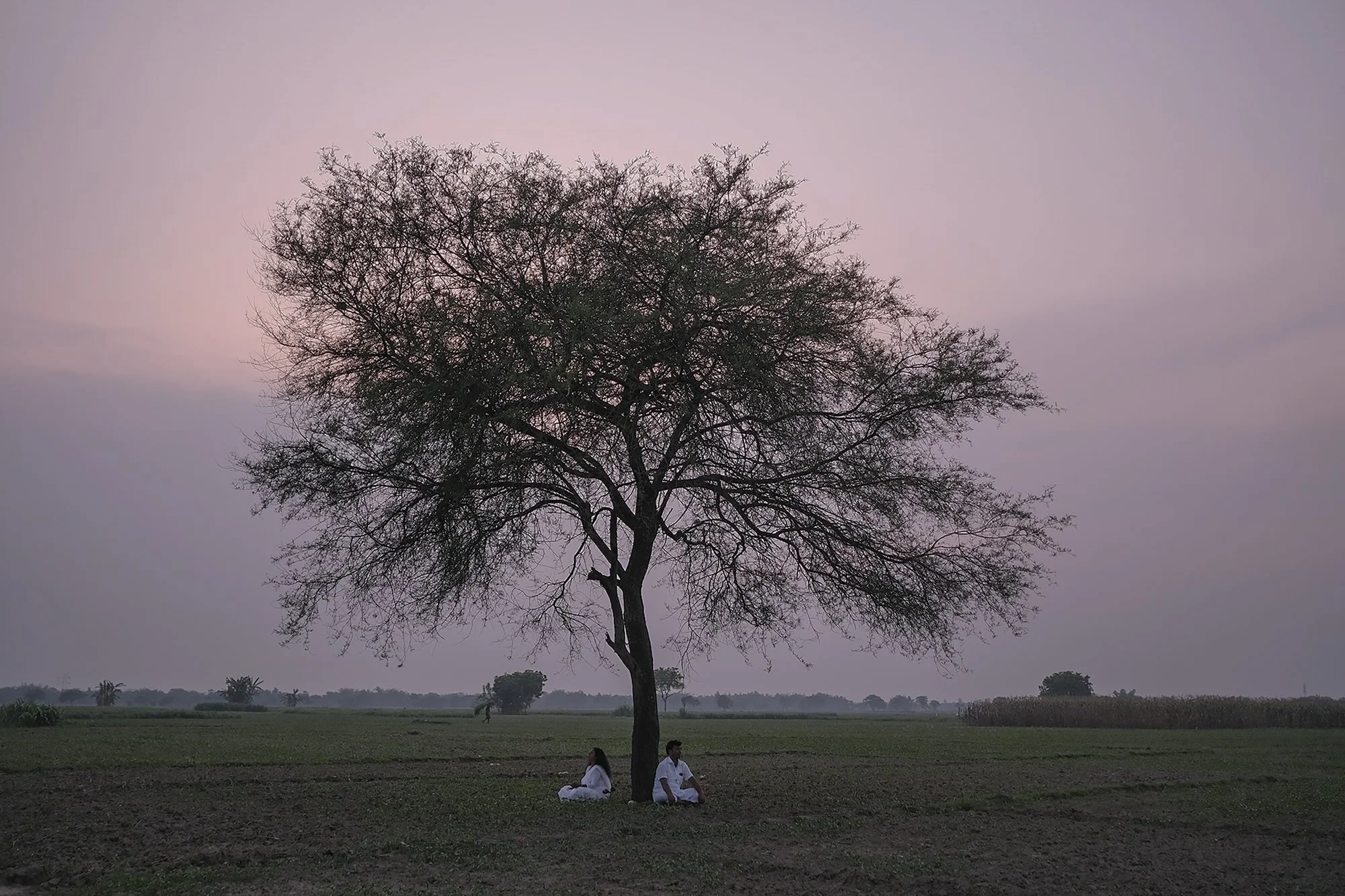
The project develops an intimate and situated photographic study of Baul-Fakir women’s everyday lives, rituals, spiritual practices, gatherings, songs, and narratives, bringing together portraiture, close observation, Bengal’s monsoon and winter landscapes, and symbolic imagery. Nature is deeply embedded in Baul philosophy and everyday life: rivers, soil, seasons, plants, animals, fertility, and agricultural cycles appear throughout their songs and metaphors, connecting the human body with the larger natural world. The changing landscapes of rural Bengal therefore become an integral part of the work, reflecting a way of life increasingly affected by development, migration, changing agricultural economies, and urbanisation. Since 2023, my travels have focused on learning the community’s discipline, customs, and 'Adob,' a practice of respect, humility, and ethical conduct. This sustained engagement has led me to incorporate audio-visual methods to record women’s songs, voices, performances, and oral histories. A short film will explore the changing relationship between lived Baul-Fakir practices and their increasingly mediated and commodified cultural representations.

With the support of the PWB Micro Grant, I will travel to Maldah and Murshidabad to spend extended periods with women practitioners in their homes and communal spaces, particularly Akhras and Ashrams. Alongside photography, I will record and archive songs, conversations, oral histories, and other materials. The project will focus particularly on ‘Marfati’ practitioners living in border regions, where their practices face increasing pressure from ‘Shariati’ religious orthodoxy and political instability. Working in these sensitive areas also presents personal risks for me as a woman photographer, particularly within the volatile political climate surrounding religion and border communities. The grant will therefore support necessary travel, accommodation, local assistance, and safety measures, as well as a professional sound recordist accompanying me during fieldwork.
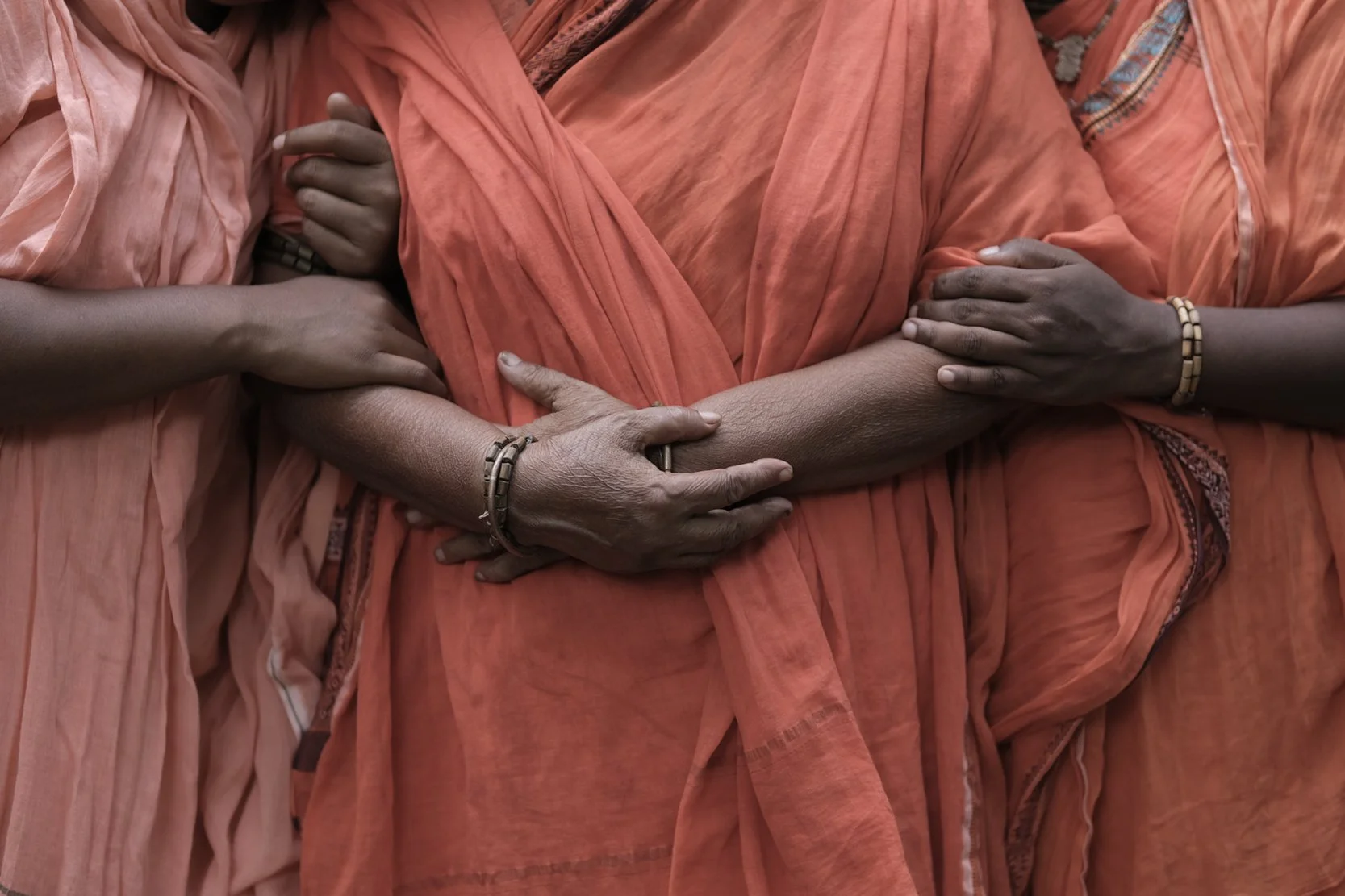
Taniya Sarkar is a recipient of our Micro-Grant.