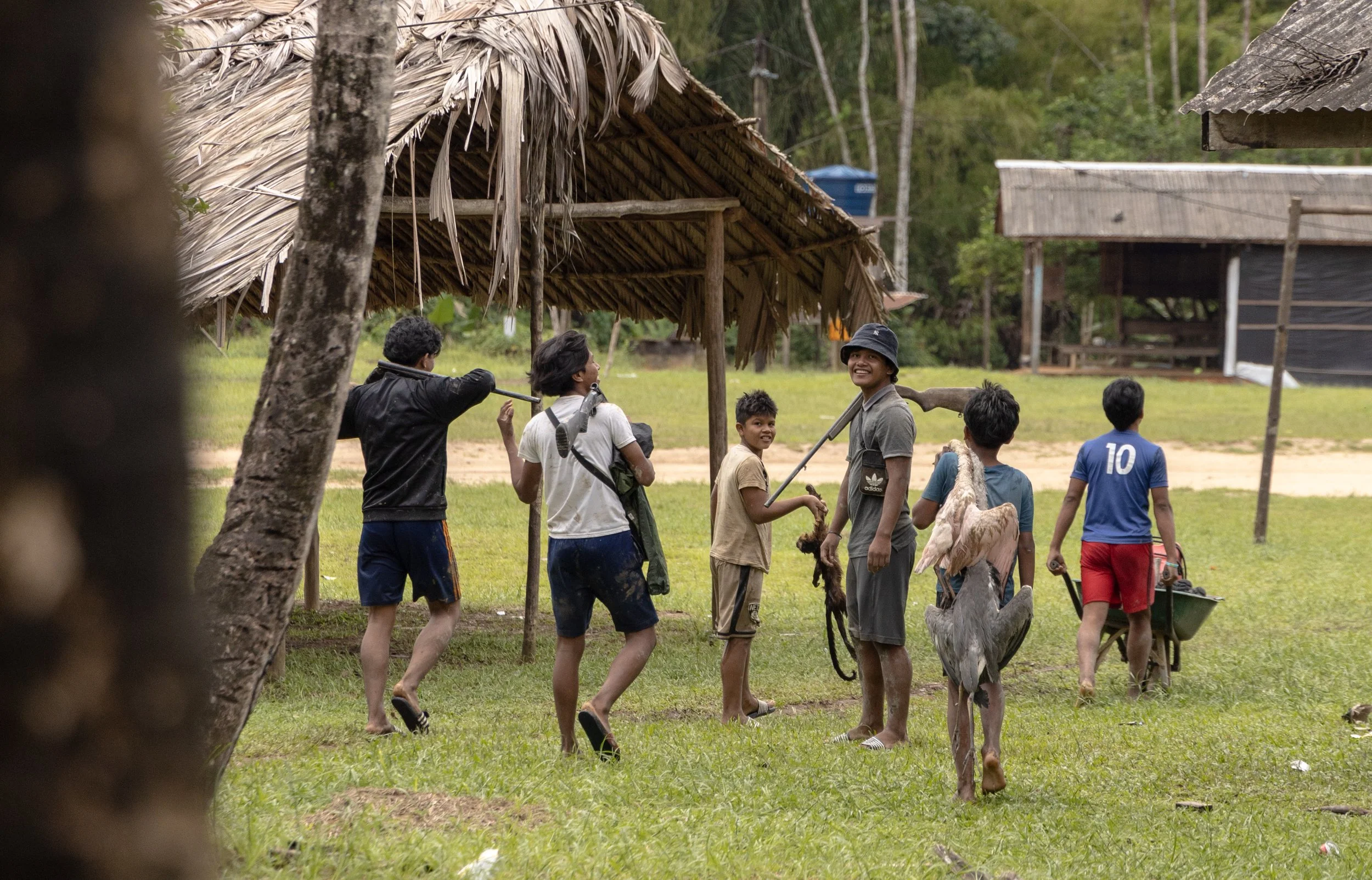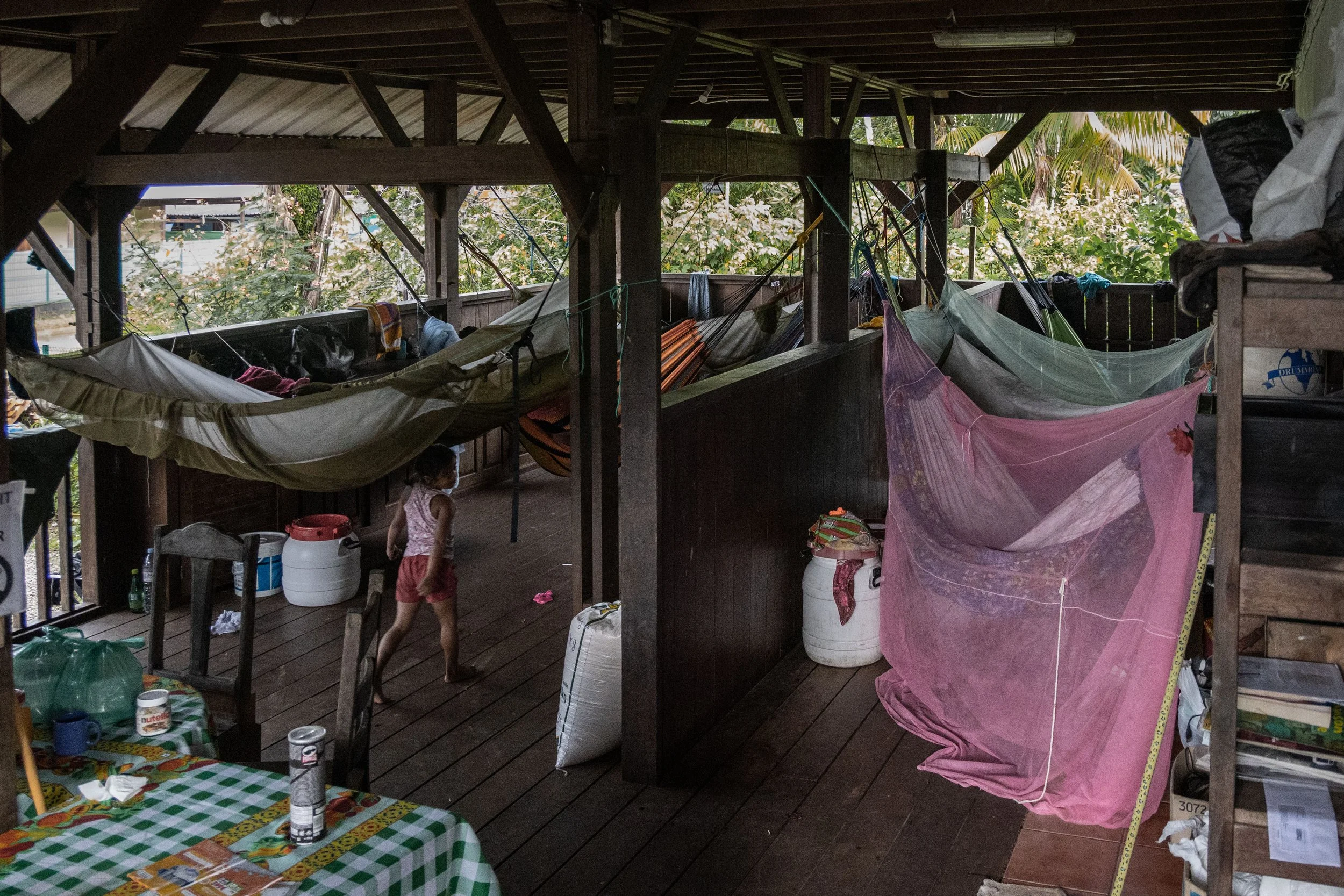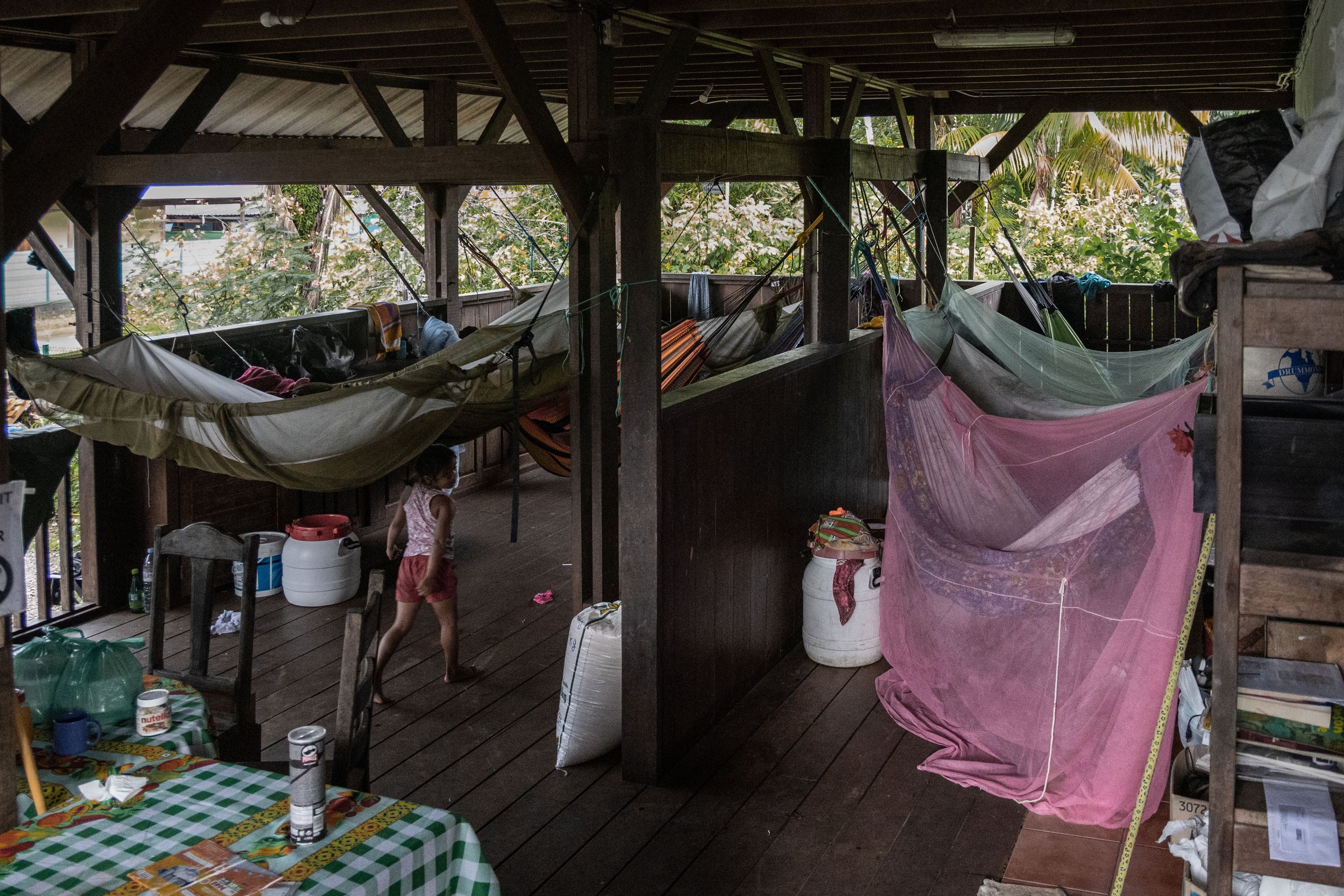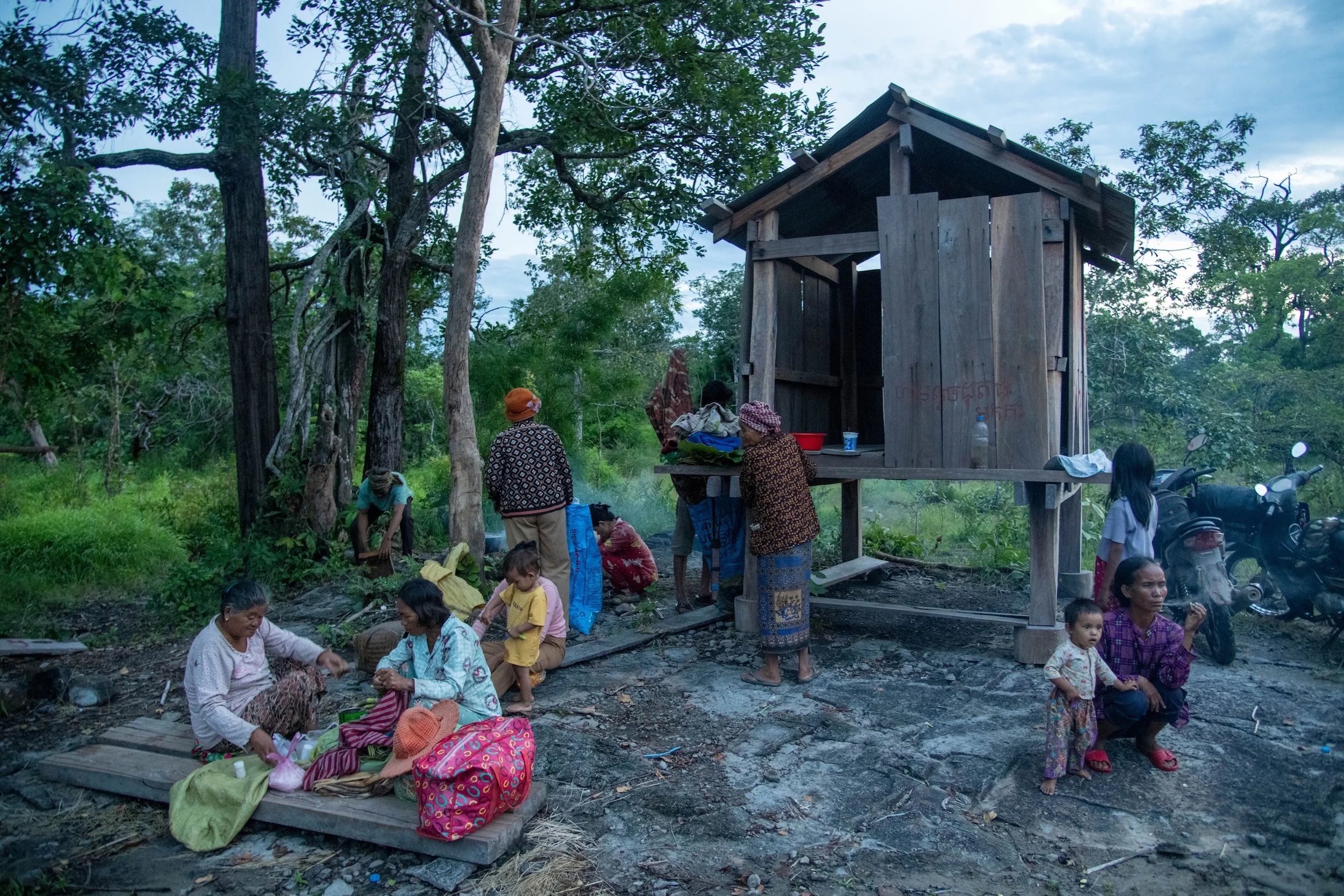
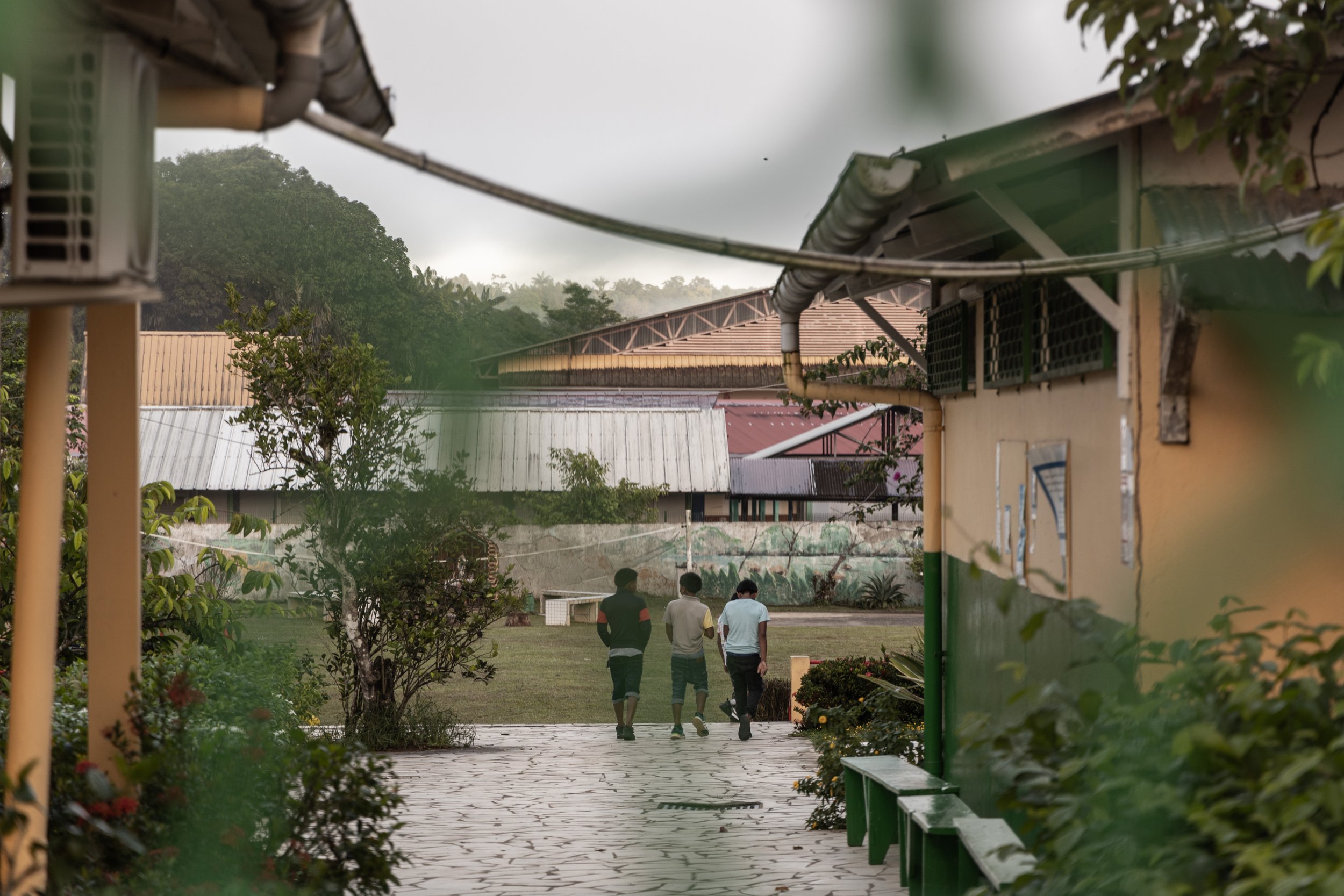
Indigenous children in the present day residential school
IMAGES & WORDS BY BORIS THEBIA
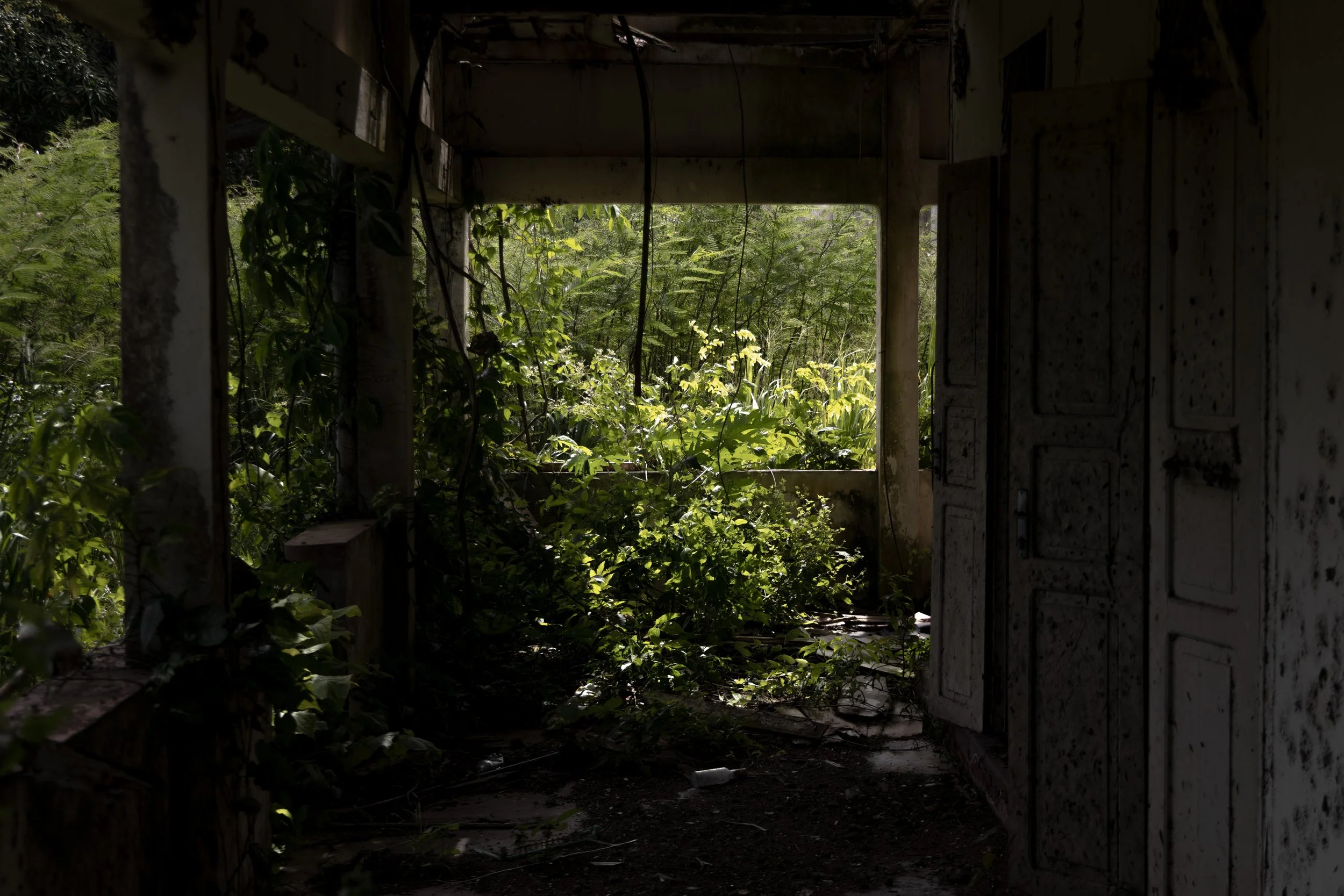
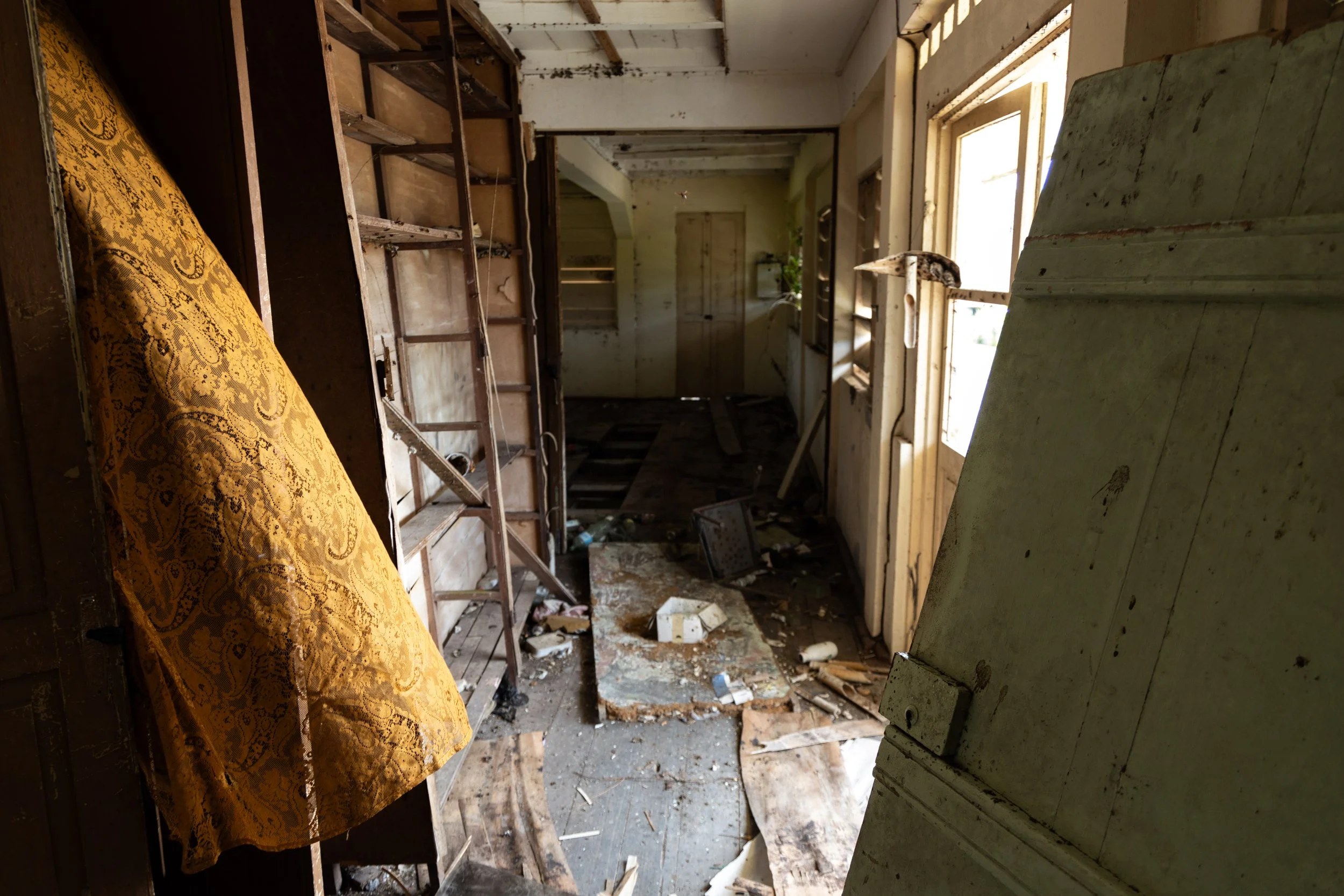
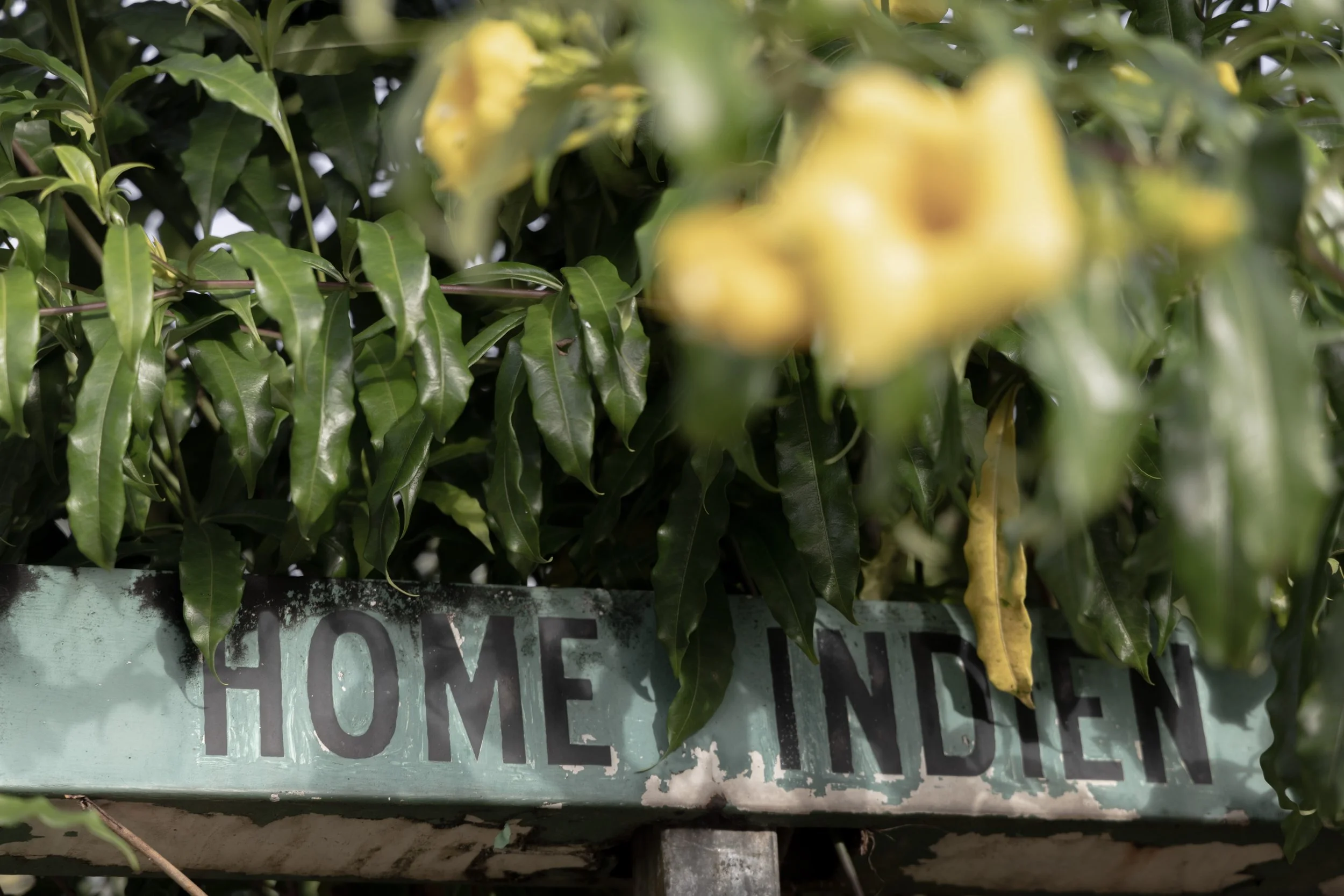
Photo taken from the Residential school of Sinamary, abandoned and in ruins.
Indigenous residential schools in French Guiana represent a colonial legacy that remains active today—unlike in Canada, where the last such institution closed in 1997. In this French territory, thousands of Indigenous children from the headwaters of the Amazon were taken from their families through a system designed to erode cultural bonds and assimilate them into European ways of life. The first “Home” of Mana was established in 1935 by missionaries who, unable to convert Indigenous communities directly, turned their efforts toward children instead. France supported this agenda by providing resources and legitimacy to what many consider a form of cultural genocide.
Children as young as three or four—at an age when cultural and linguistic ties are still forming—were removed from their families. Those who resisted faced police intervention, financial penalties, or imprisonment. In remote villages like Trois-Saut, located three days from the schools, families often had no alternatives due to constitutional education requirements and the absence of local schooling options. Once placed in these institutions, children endured multiple layers of trauma: long-term family separation, physical punishment, and the systematic suppression of their cultures, including bans on speaking their native languages.
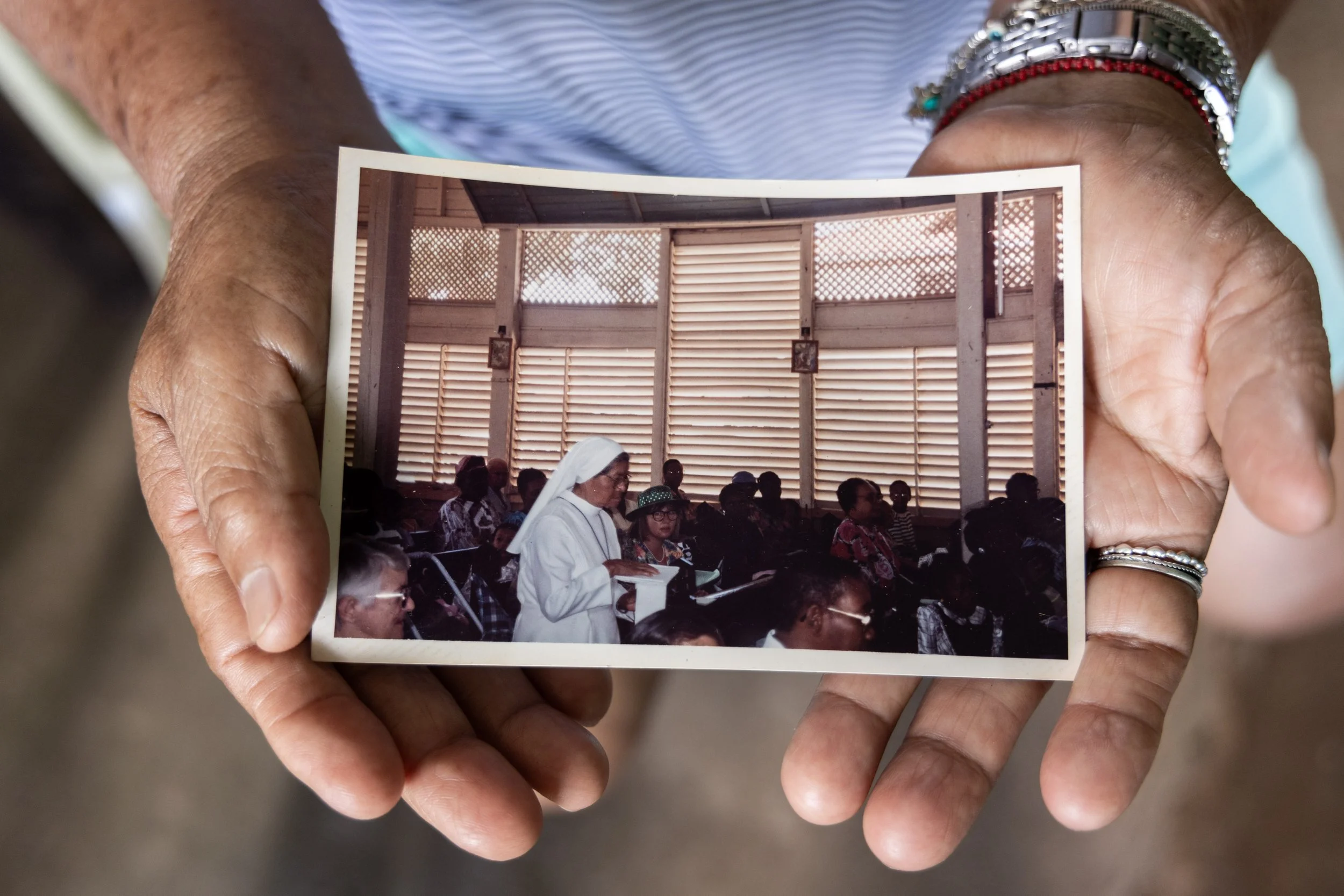
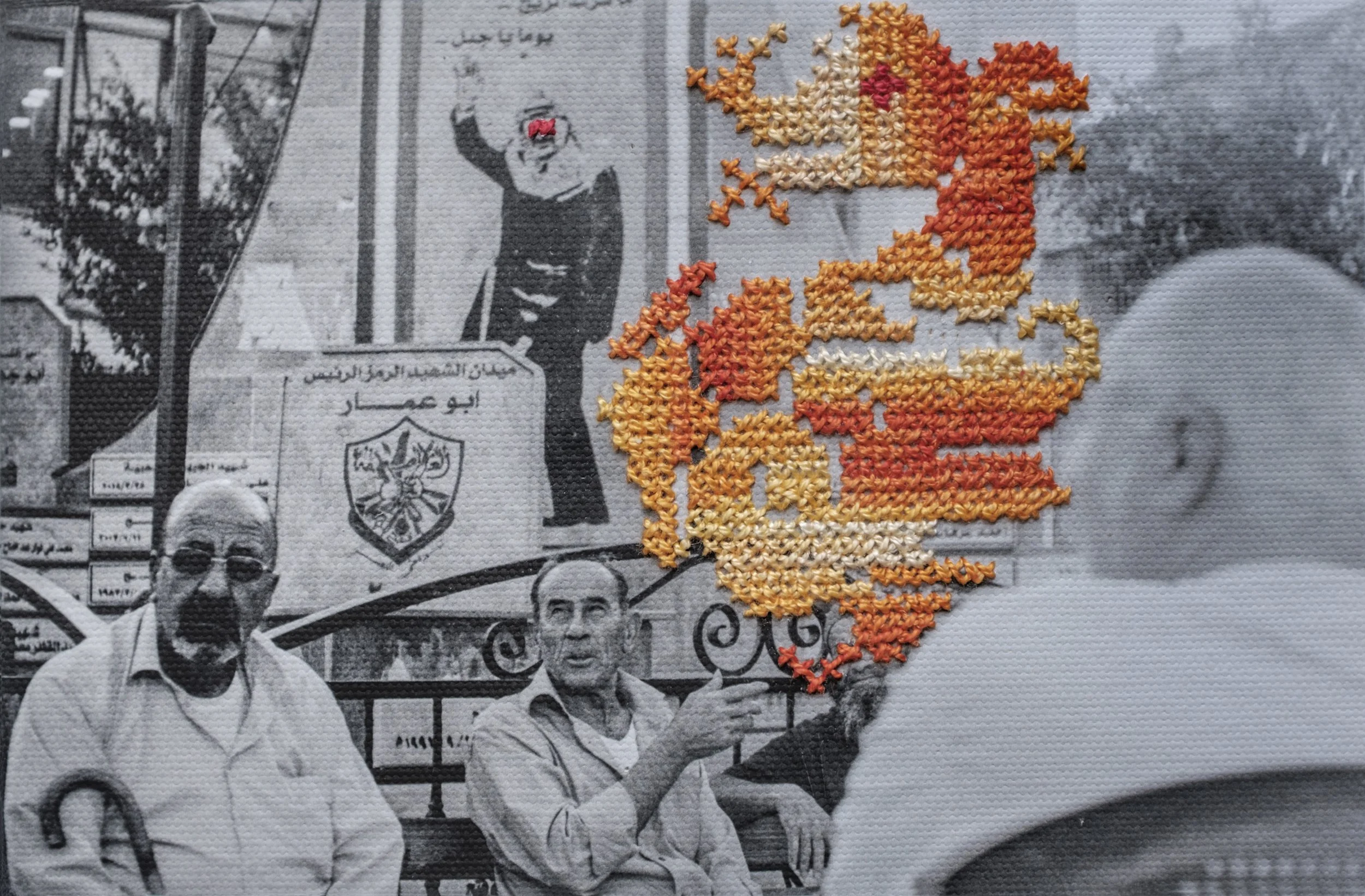
Old photo from Cristina's parents' childhood at the residential school
Personal testimonies reveal the devastating impact of this system.
Dylan, a 17-year-old Wayapi who spent three years at a residential school, recounts physical punishment, food deprivation, and being forbidden from speaking his native language.
Kady, removed from her Kali'na family at age 4, lost all memories of her early life and gradually forgot her native language, rendering her unable to communicate with her non-French-speaking mother before her death when Kady was 12.
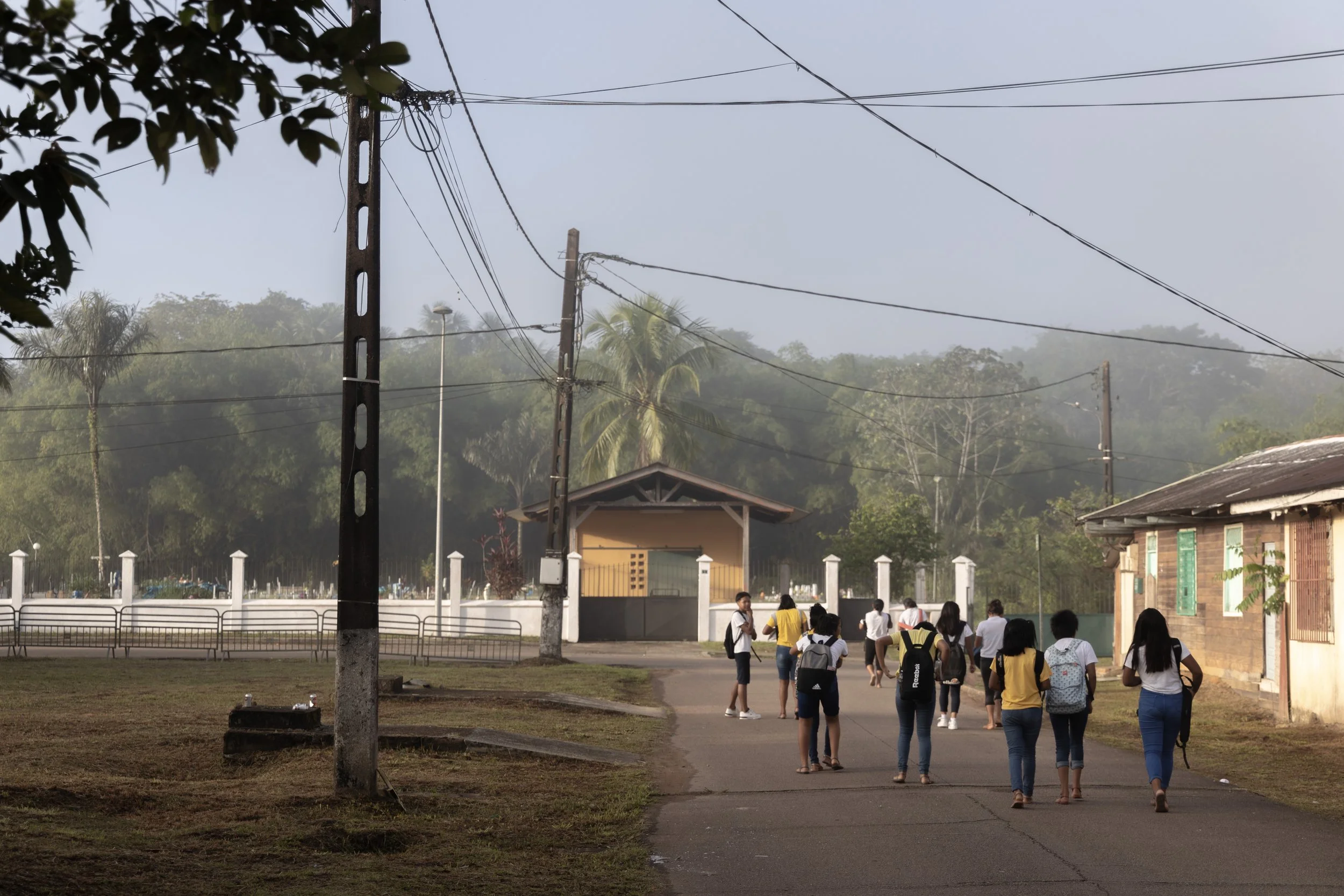
Guillaume Kouyouri, sent to the Iracoubo residential school at age 6, described his experience as a monotonous cycle of “wake up, pray, eat, do chores, go to school, survive,” where he was treated as “less than nothing” by the priests until finding resilience at age 13 by secretly learning cultural practices with other indigenous teens.
The last active residential school in St-Georges-de-L'Oyapock continues operating despite increased scrutiny. The nuns running it acknowledge past wrongdoings but justify them as necessary to “civilize” children and prepare them for French society, blaming indigenous families for providing “faulty education.”
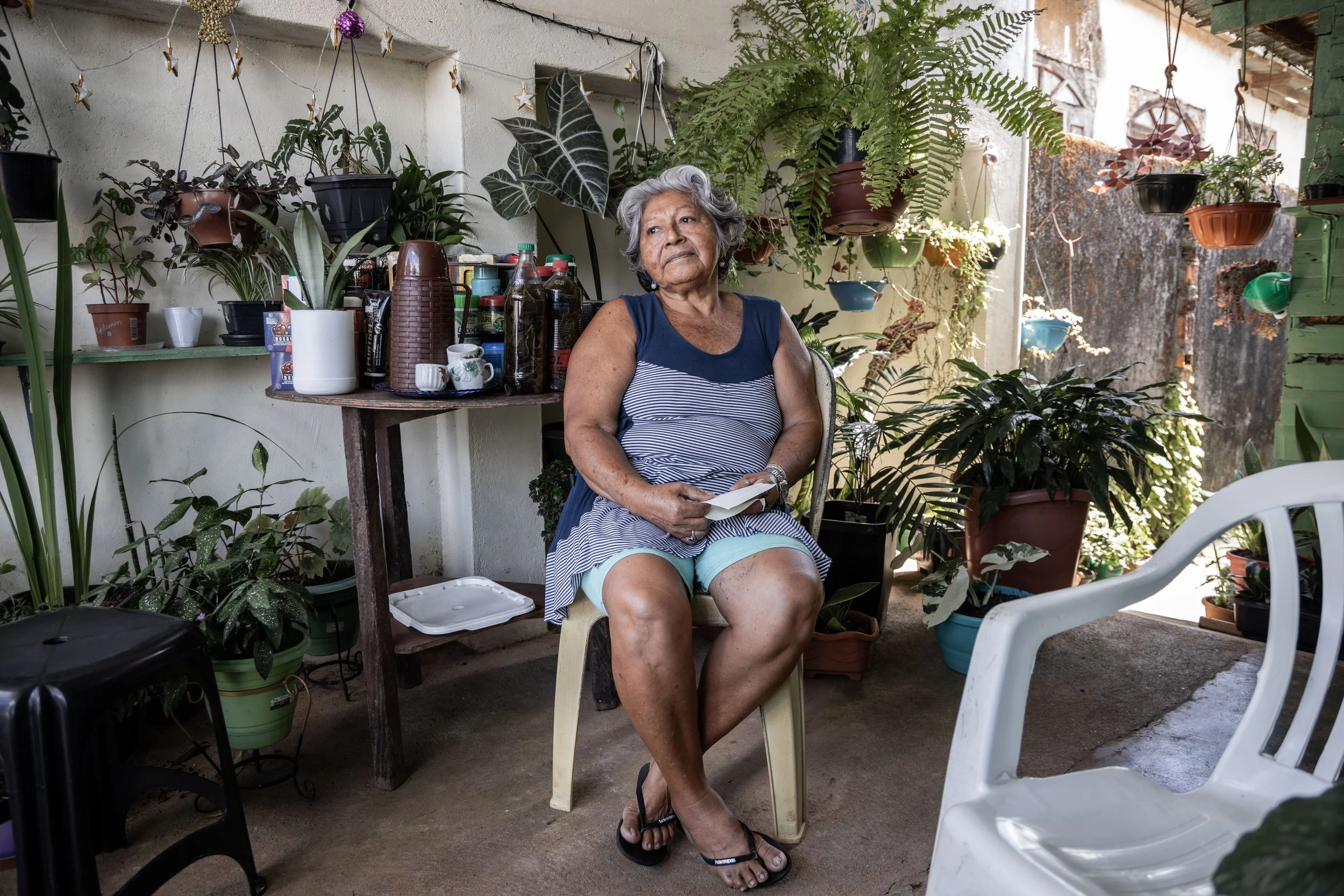
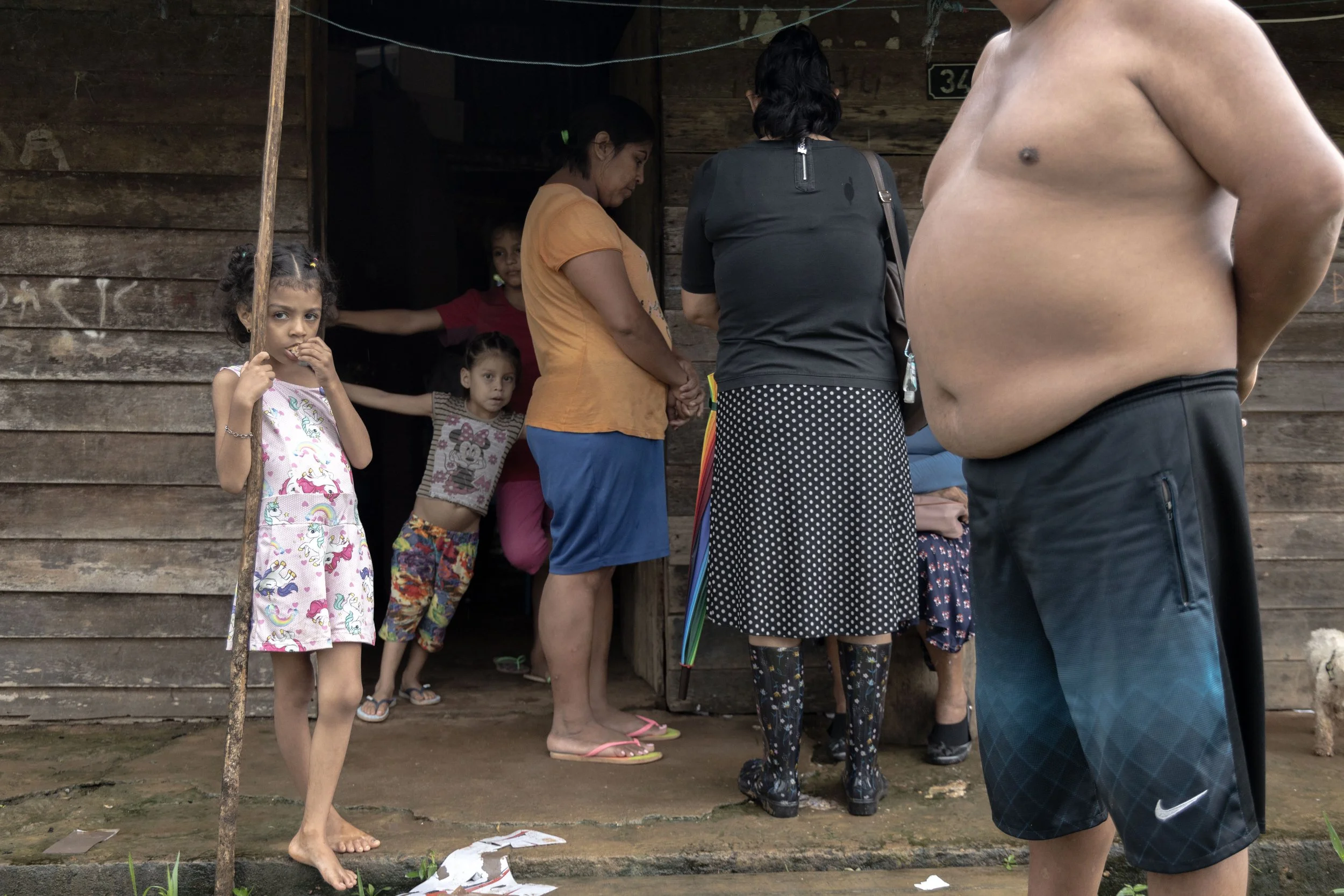
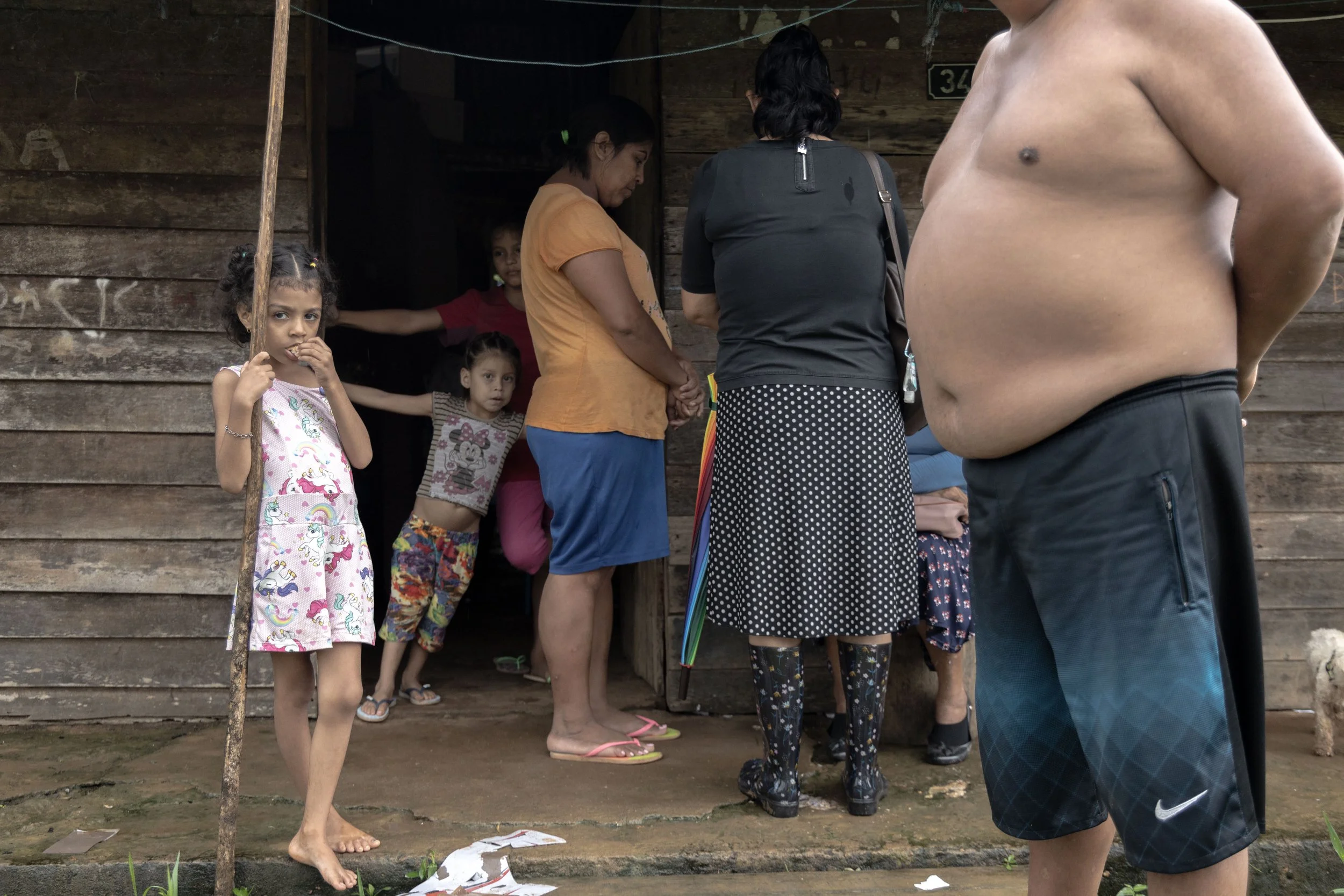
Cristina, whose parents fled to Brazil to escape having to send her to a residential school
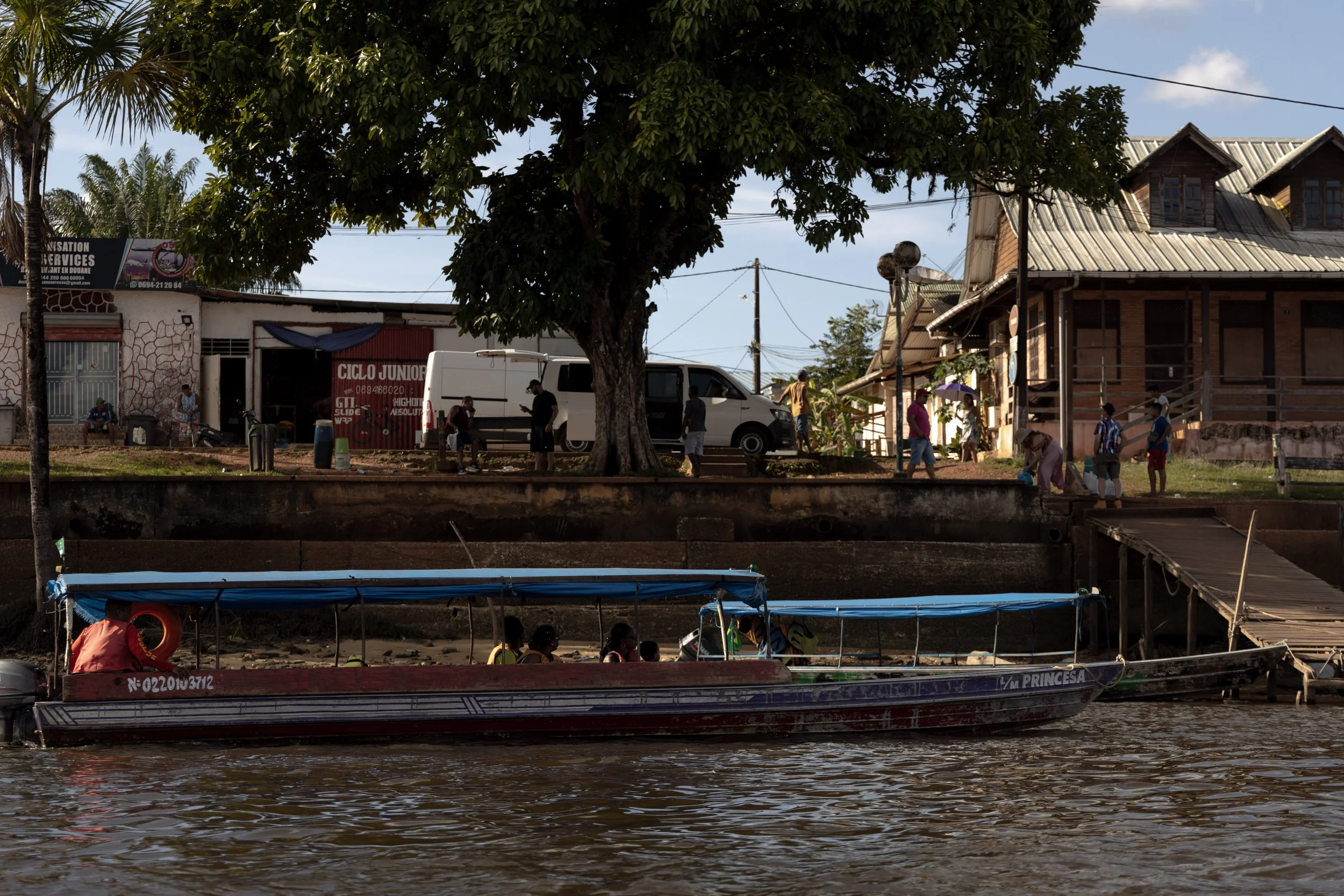
Significant communication challenges persist, with parents traveling three days at considerable expense to bring children to school, no means of contact for months due to lack of connectivity in remote villages, and no way of knowing if children are expelled or mistreated. Some NGOs, like L'Effet Morpho, attempt to help children who end up homeless after expulsion.
Unlike in North America, indigenous communities in French Guiana face unique obstacles to recognition and reparations. France's political doctrine of “one French people, united and indivisible” makes acknowledging distinct indigenous rights difficult, preventing meaningful government acknowledgment or reparations. Even the general French population remains largely unaware of these ongoing abuses.
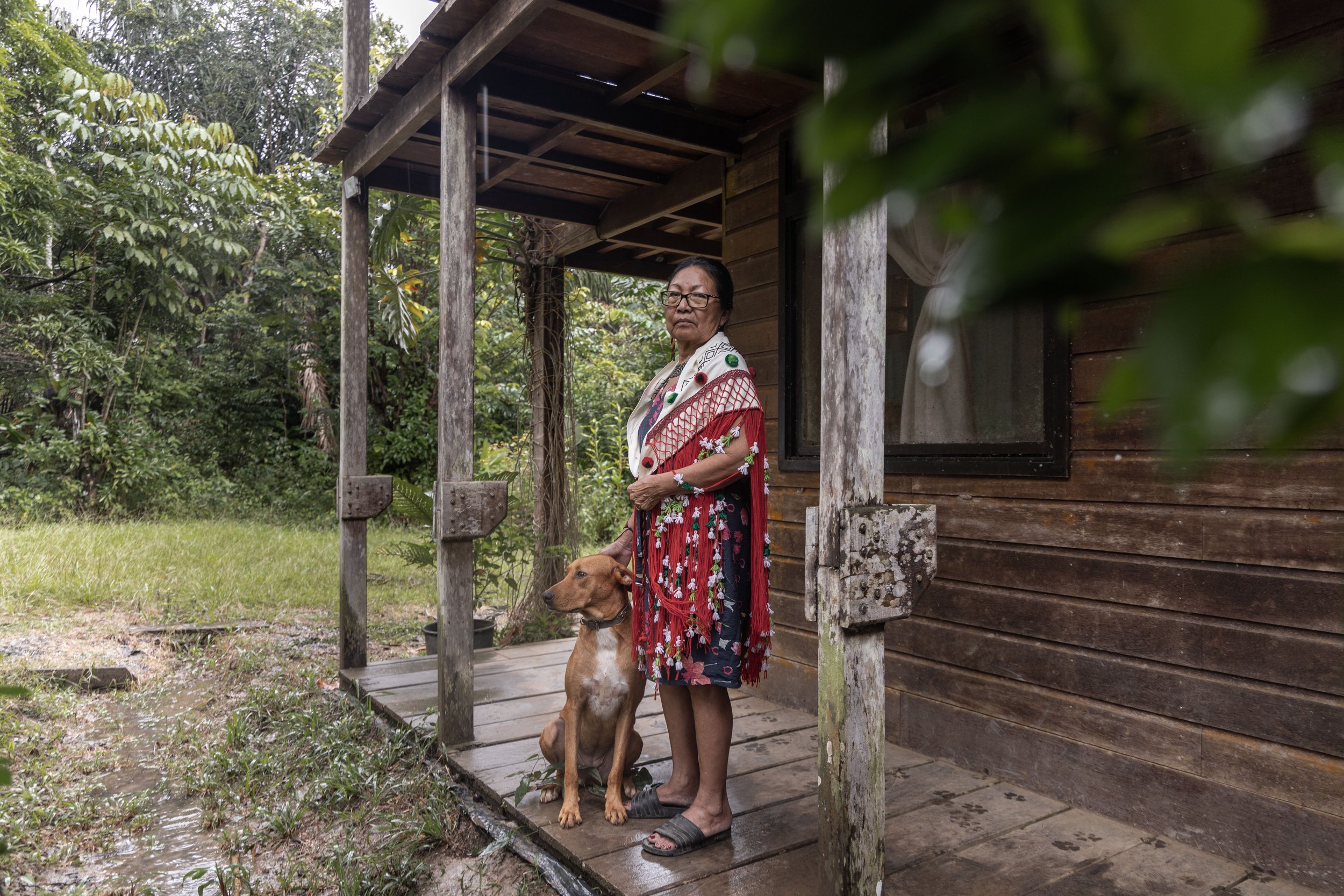
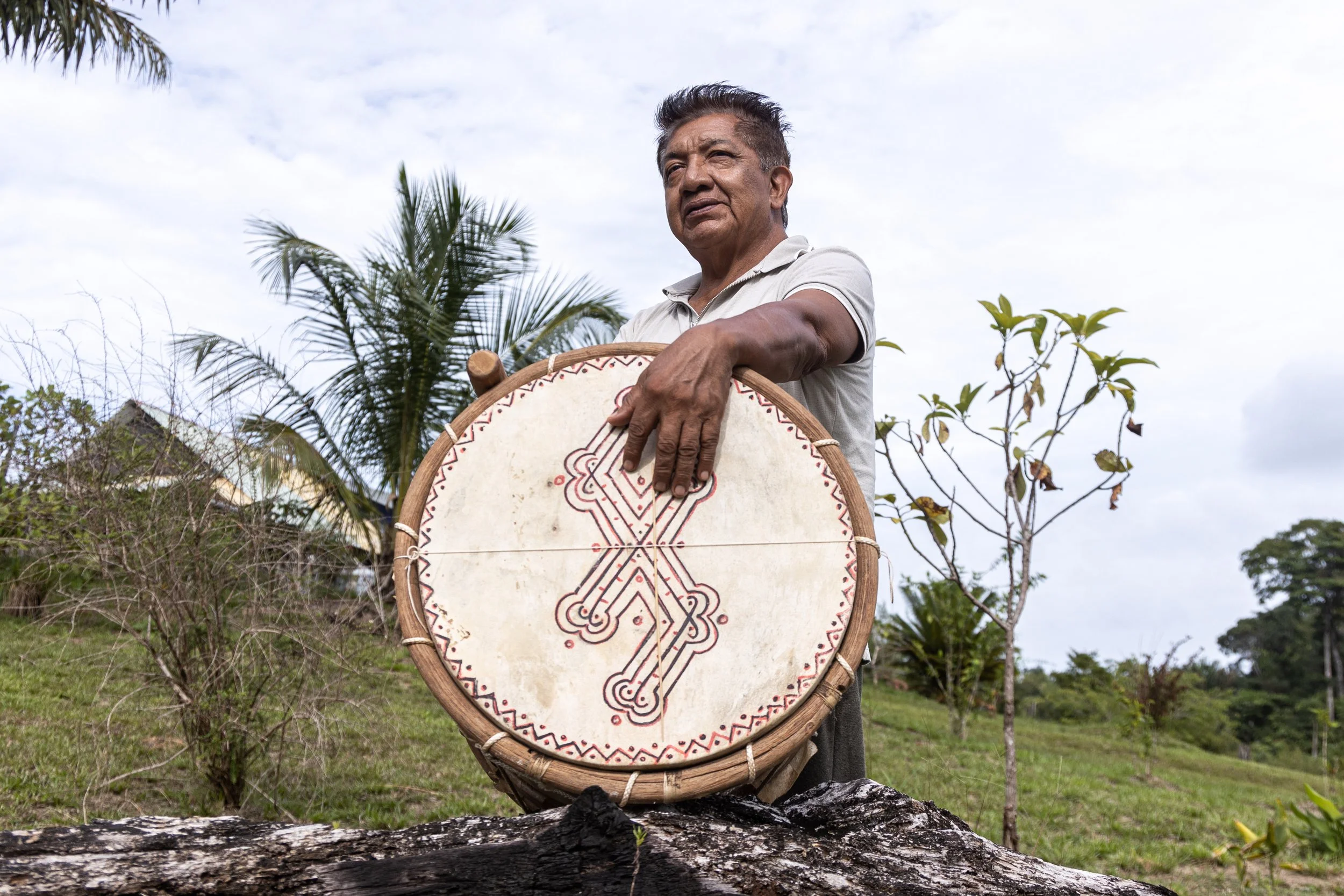
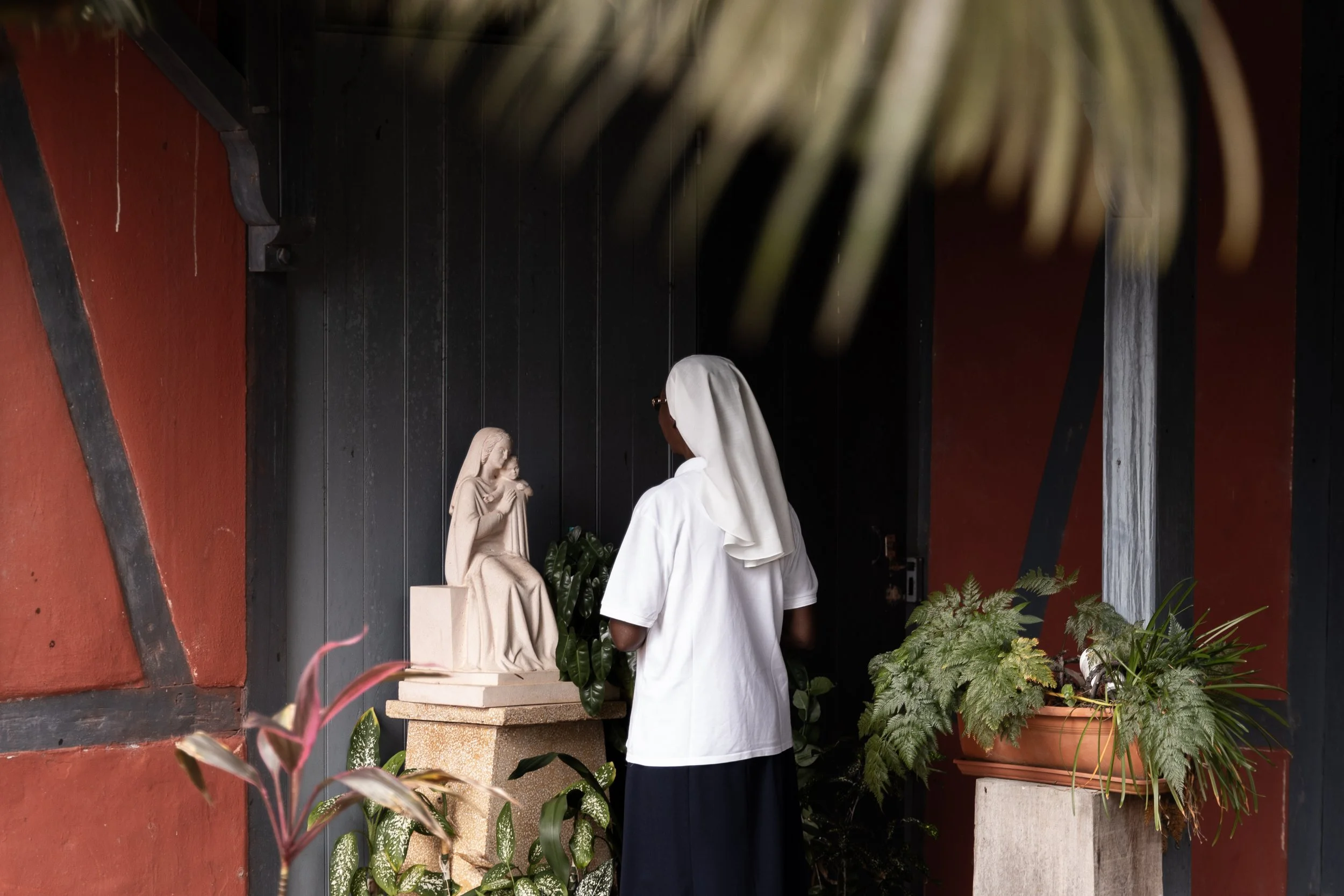
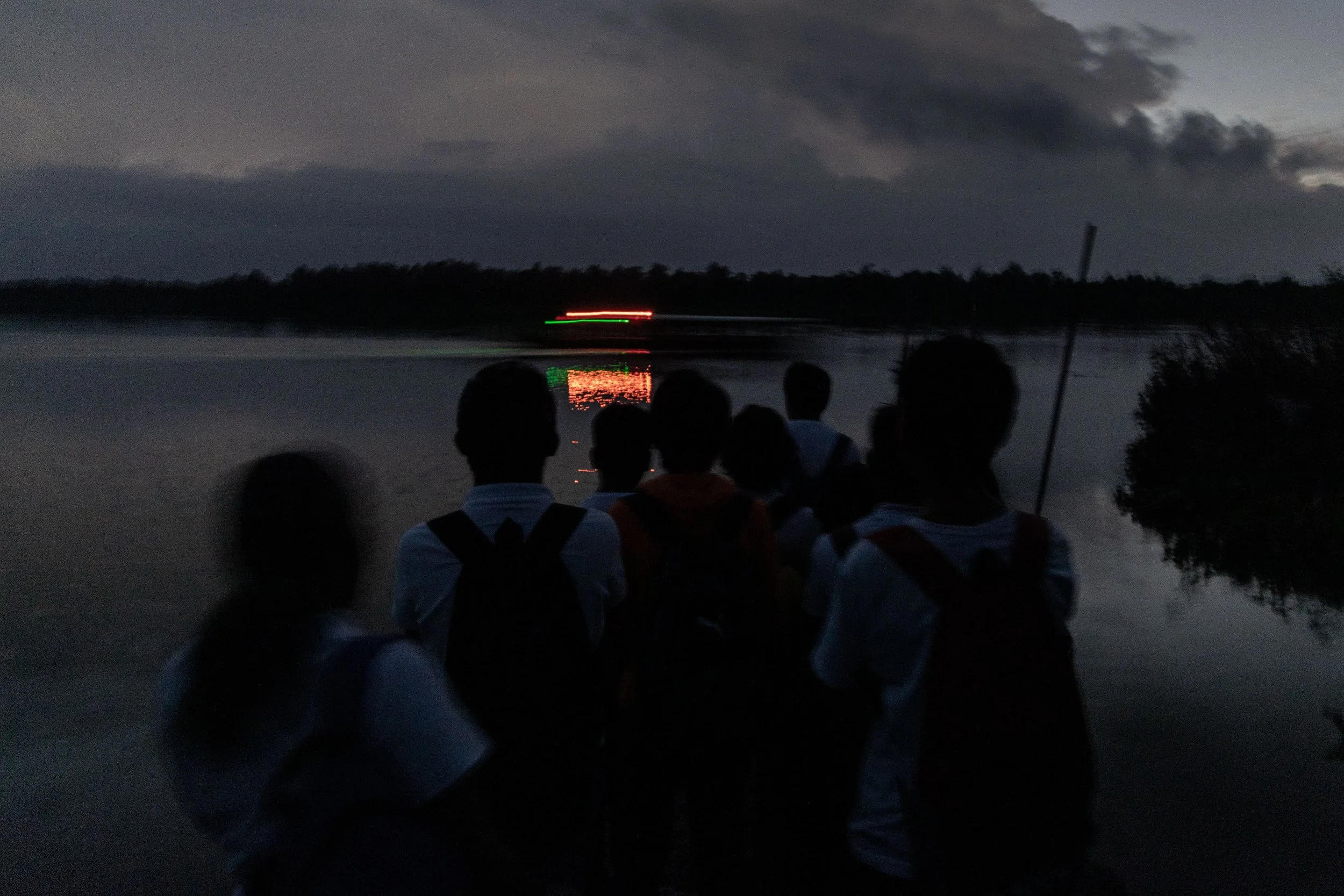
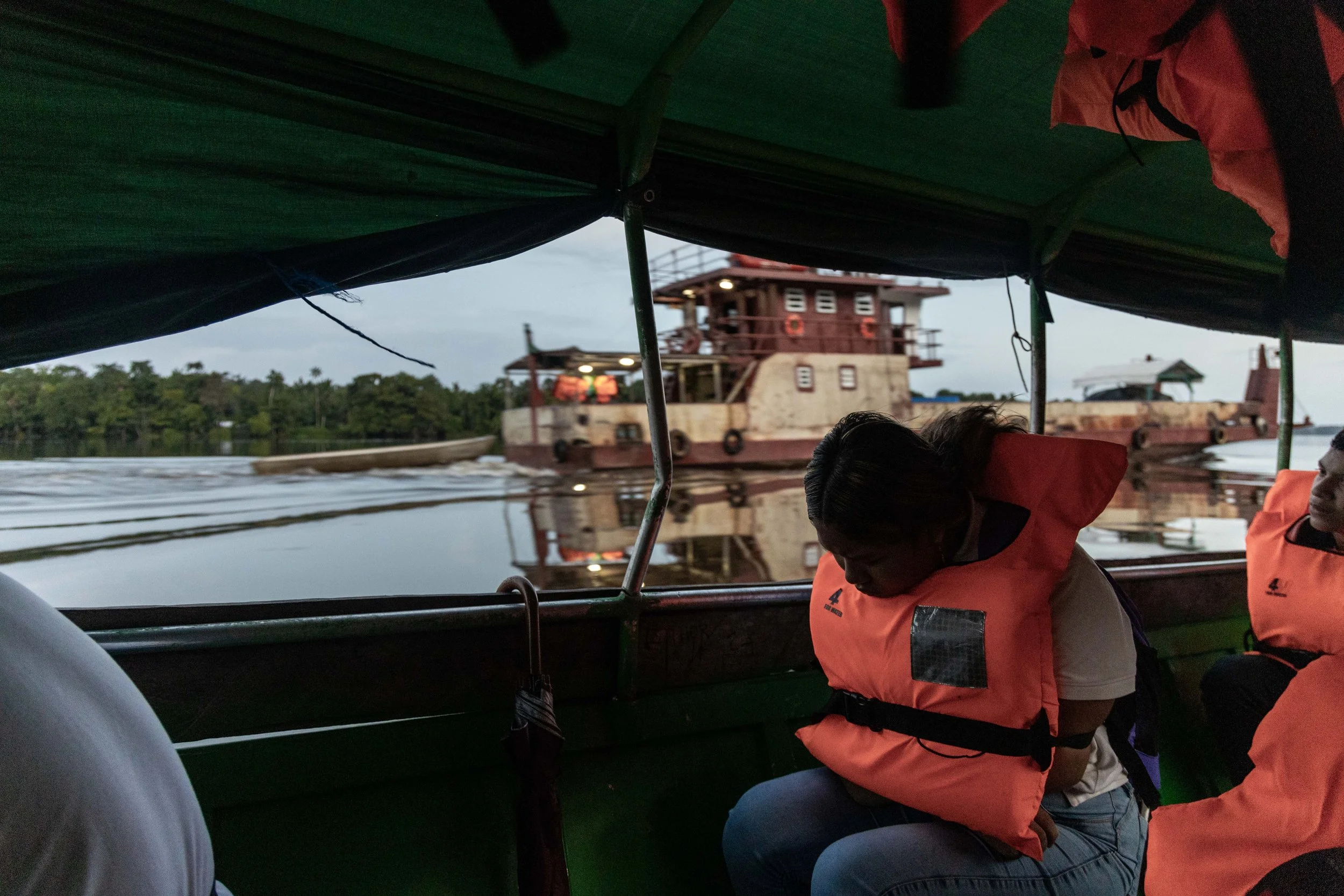
The system's impact extends beyond residential schools themselves: indigenous students must still live far from families for higher education, host families often treat them as sources of income or domestic help, and limited future prospects lead to waves of youth suicide in indigenous communities. Generational trauma continues to be reinforced by current policies, with indigenous communities experiencing profound dismay for past and future losses.
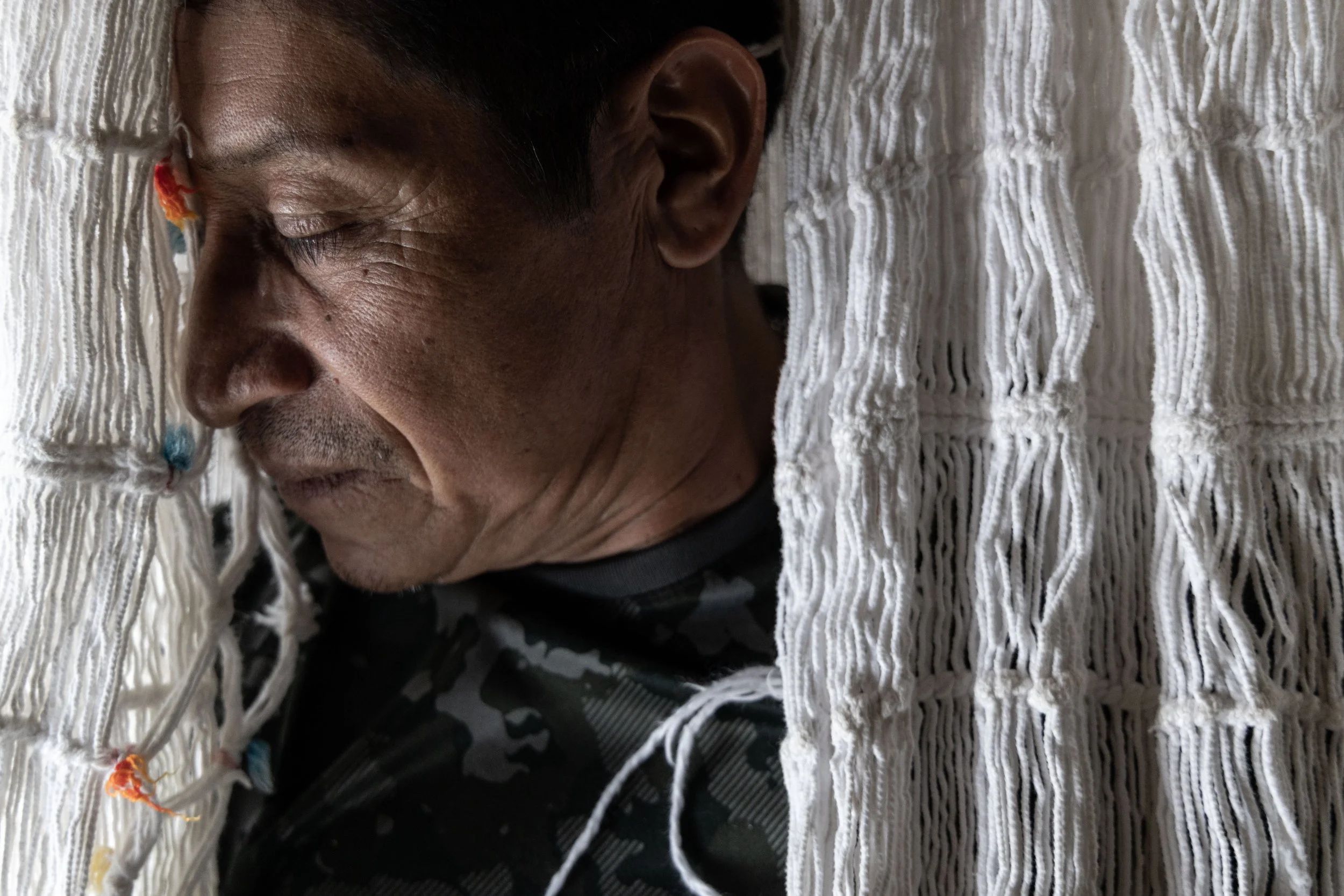
As Alexandre, a 56-year-old survivor, notes while clinging to a hammock his mother wove for him 50 years ago before he was removed: “I was never able to be with my mother the same way, she became a stranger and it broke me.”
The result is an ongoing cultural genocide that remains hidden from public view.