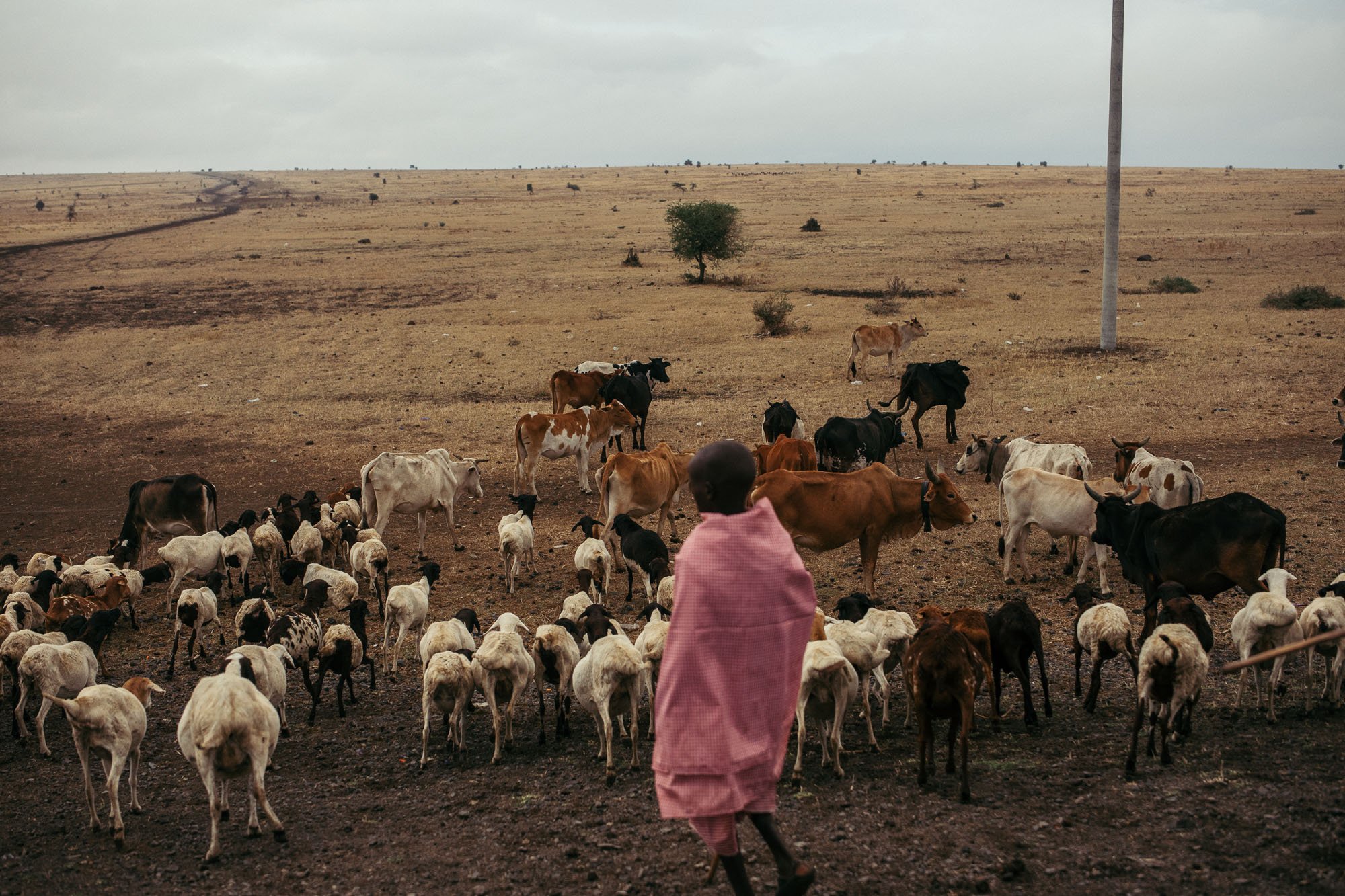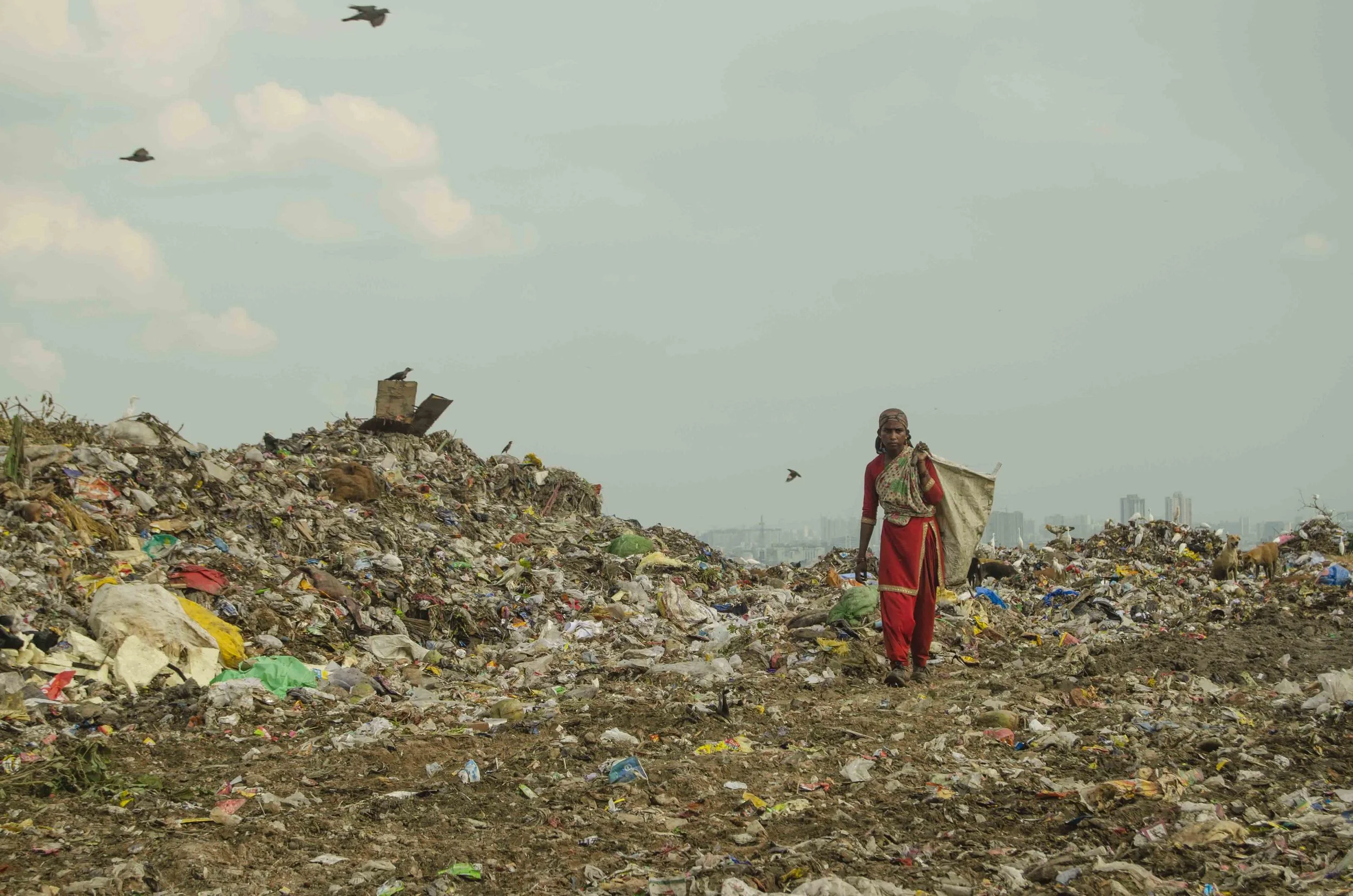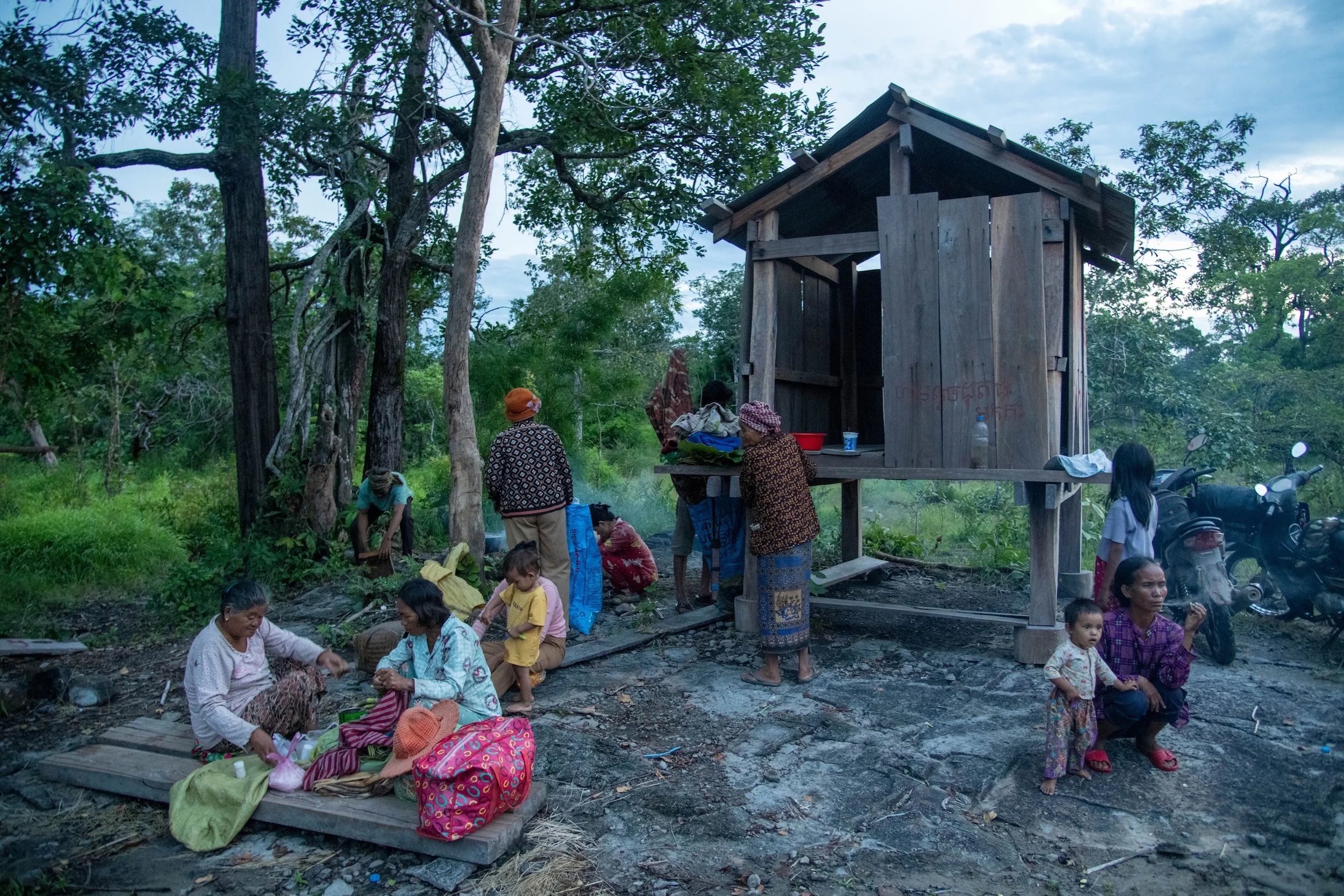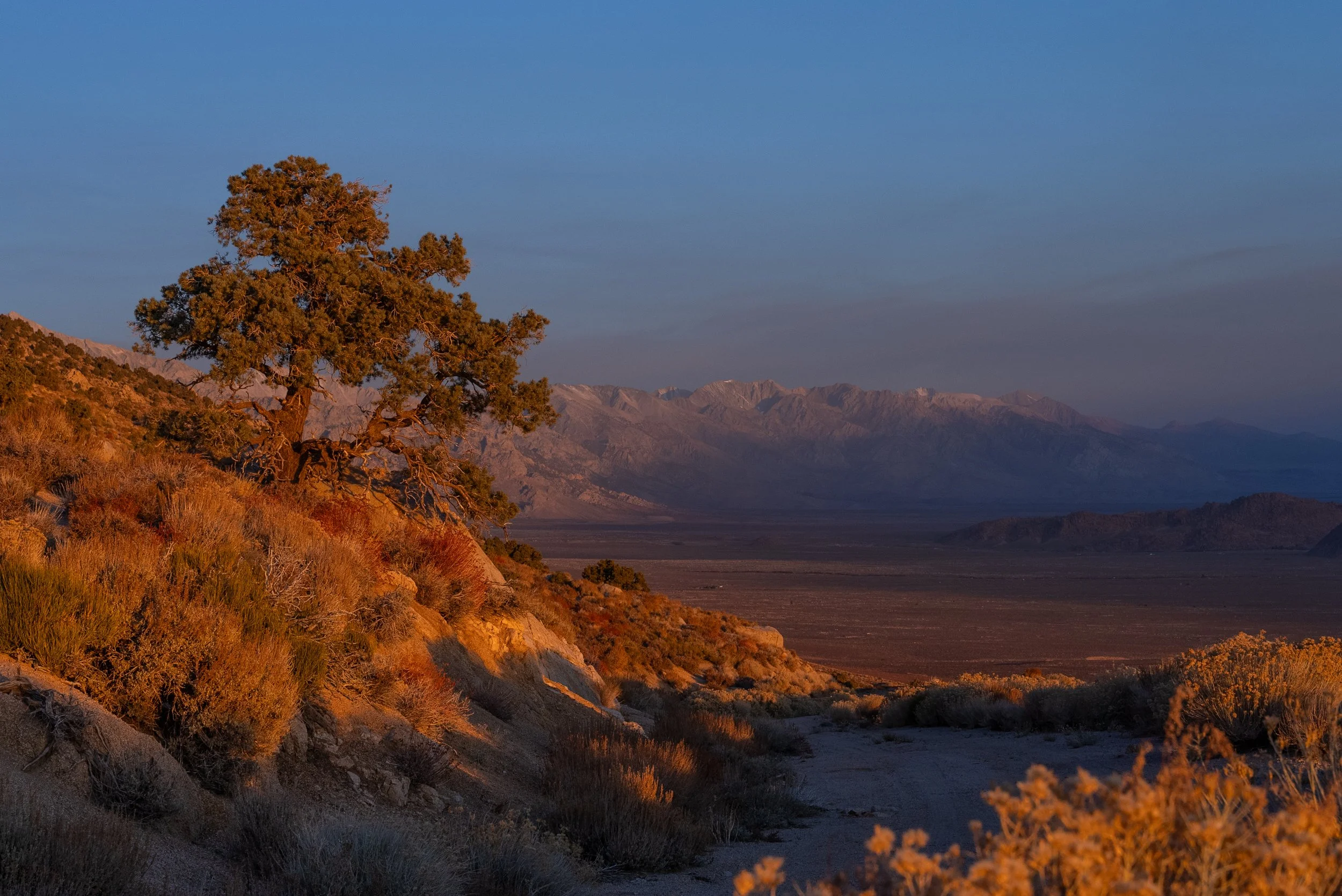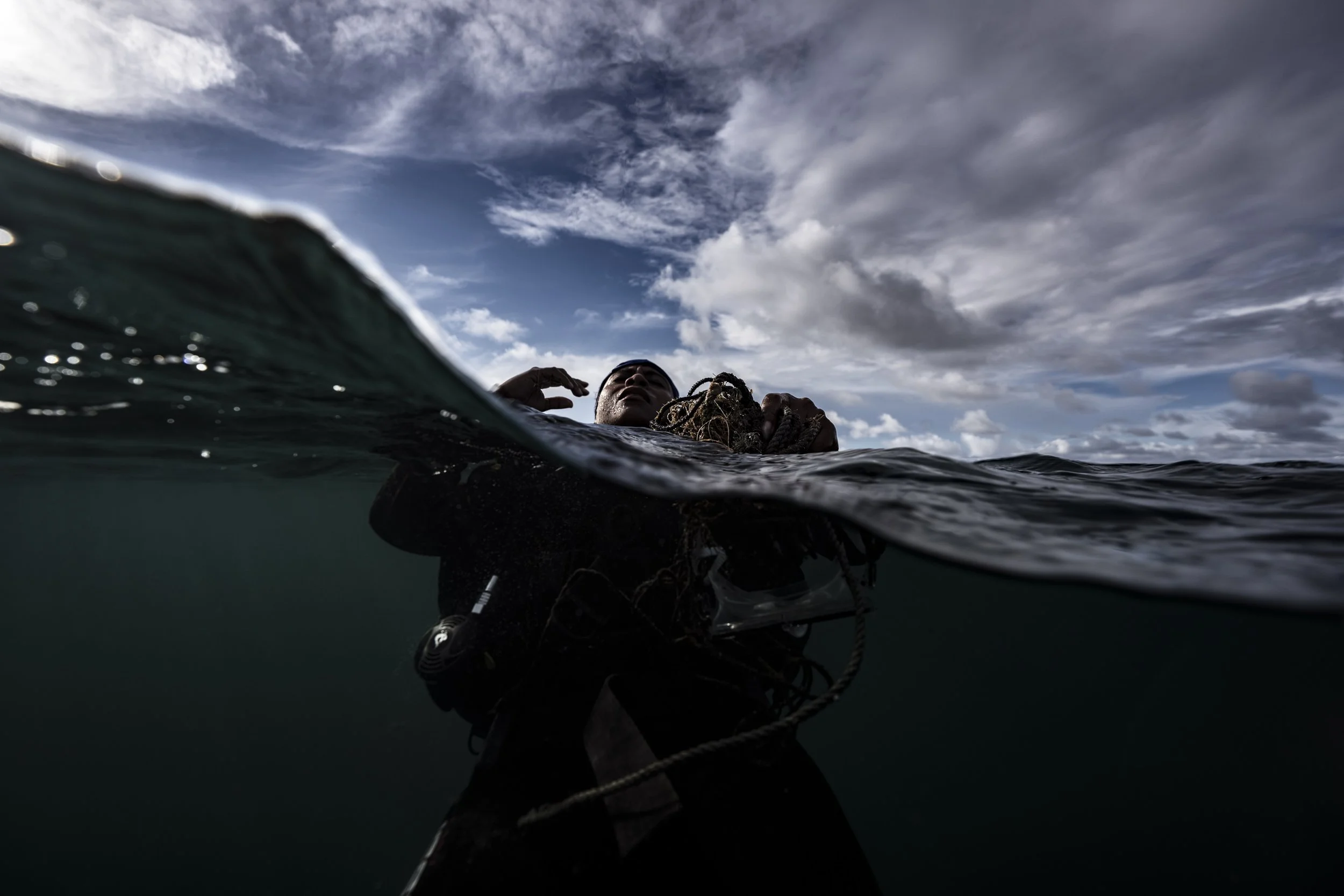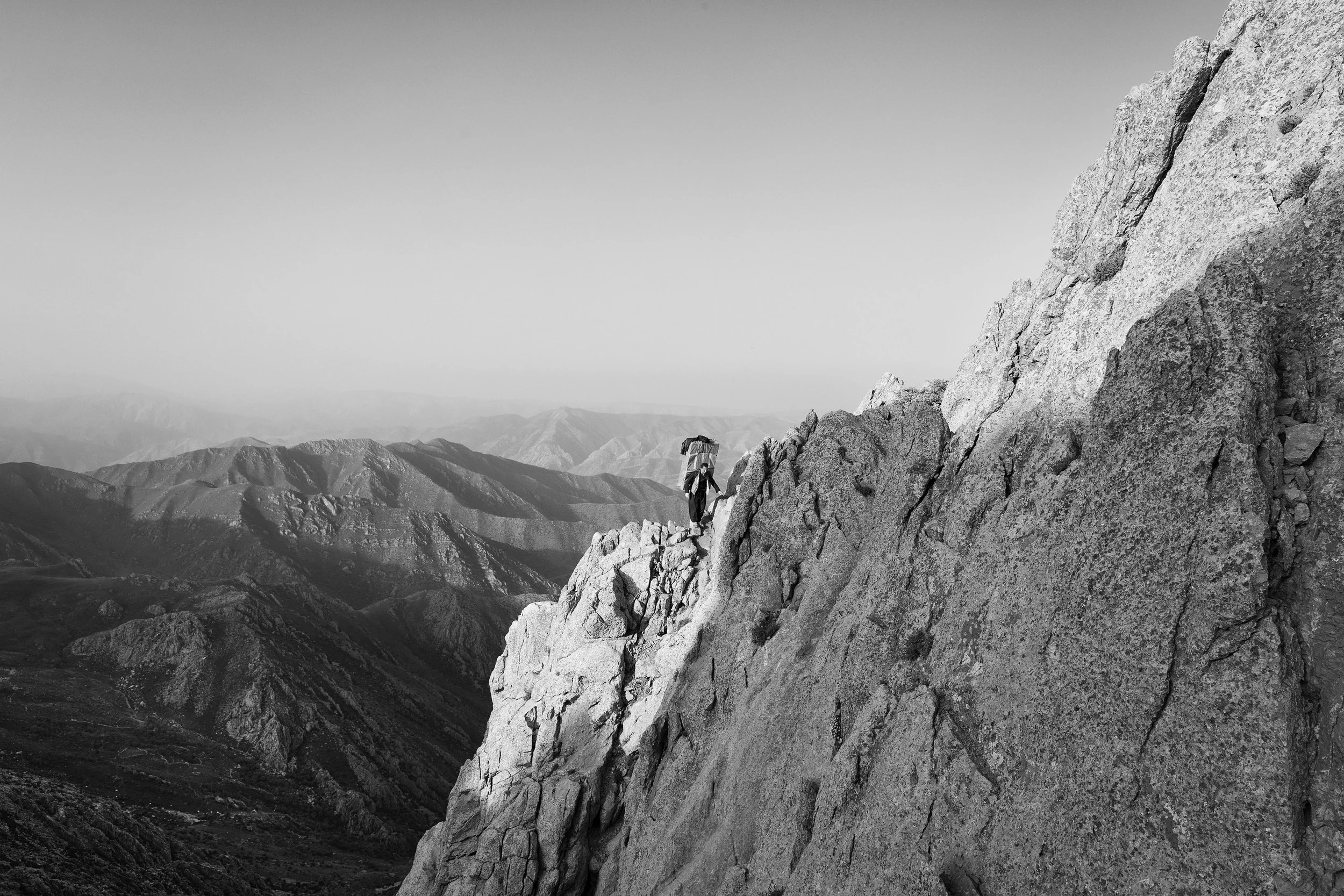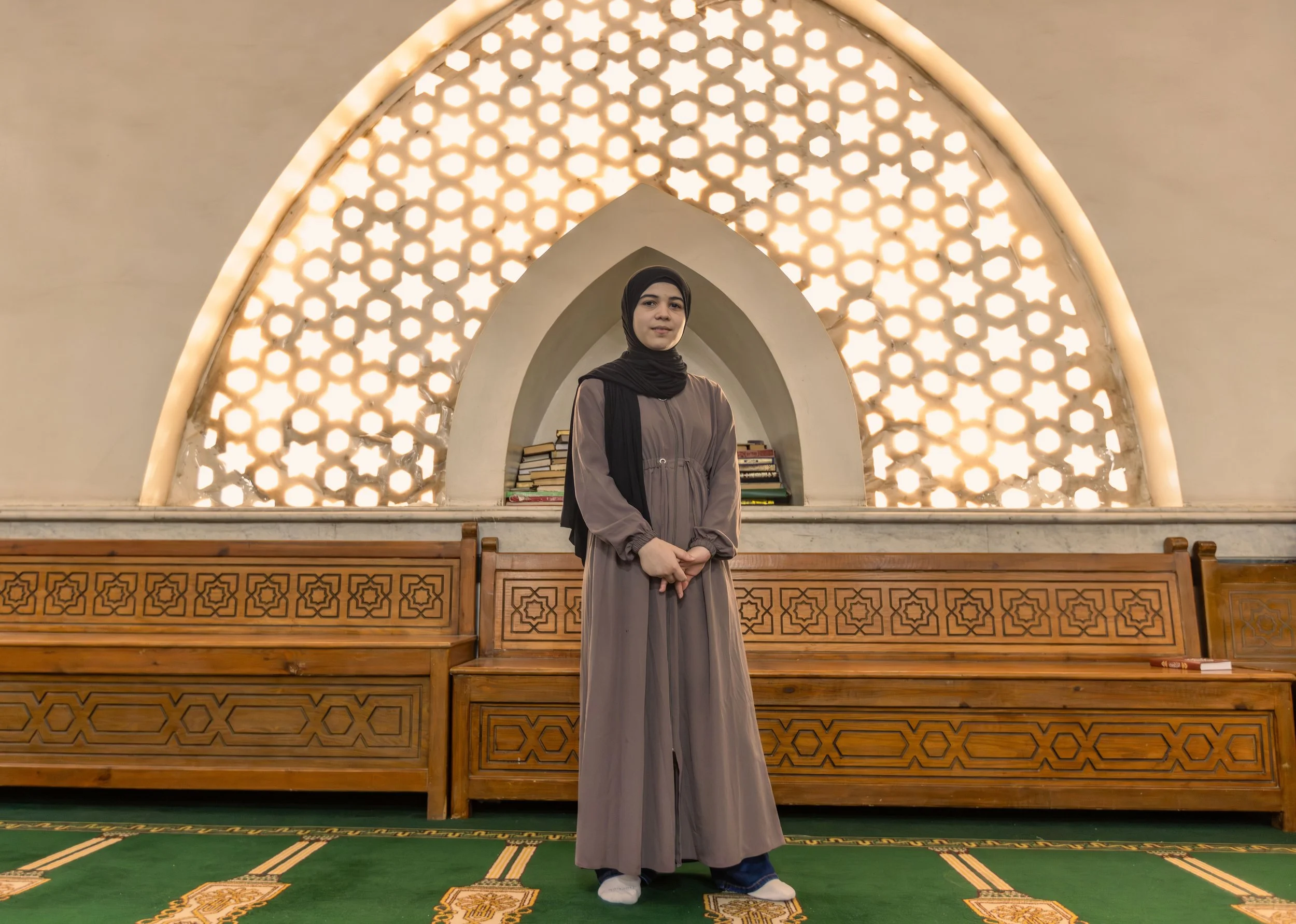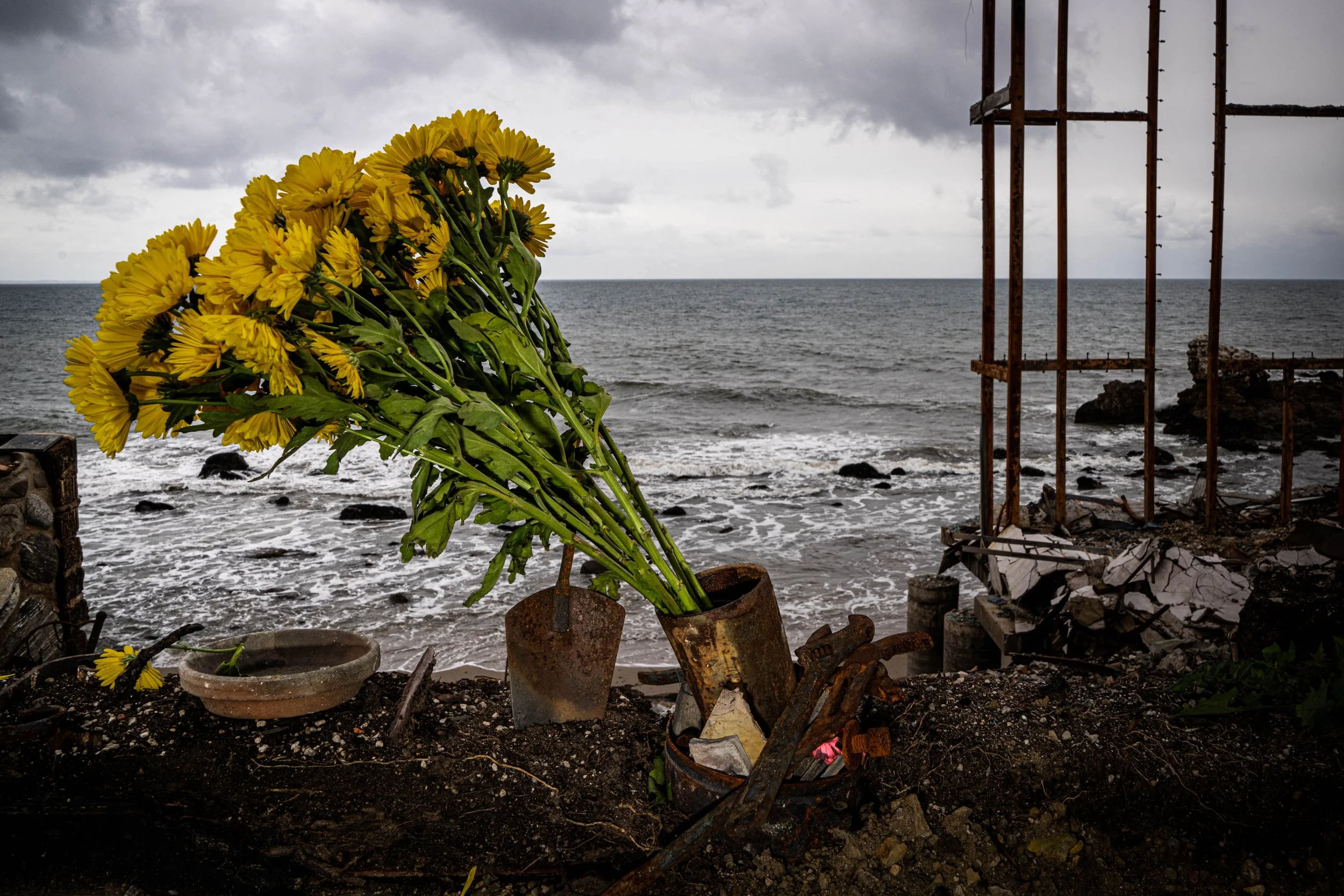
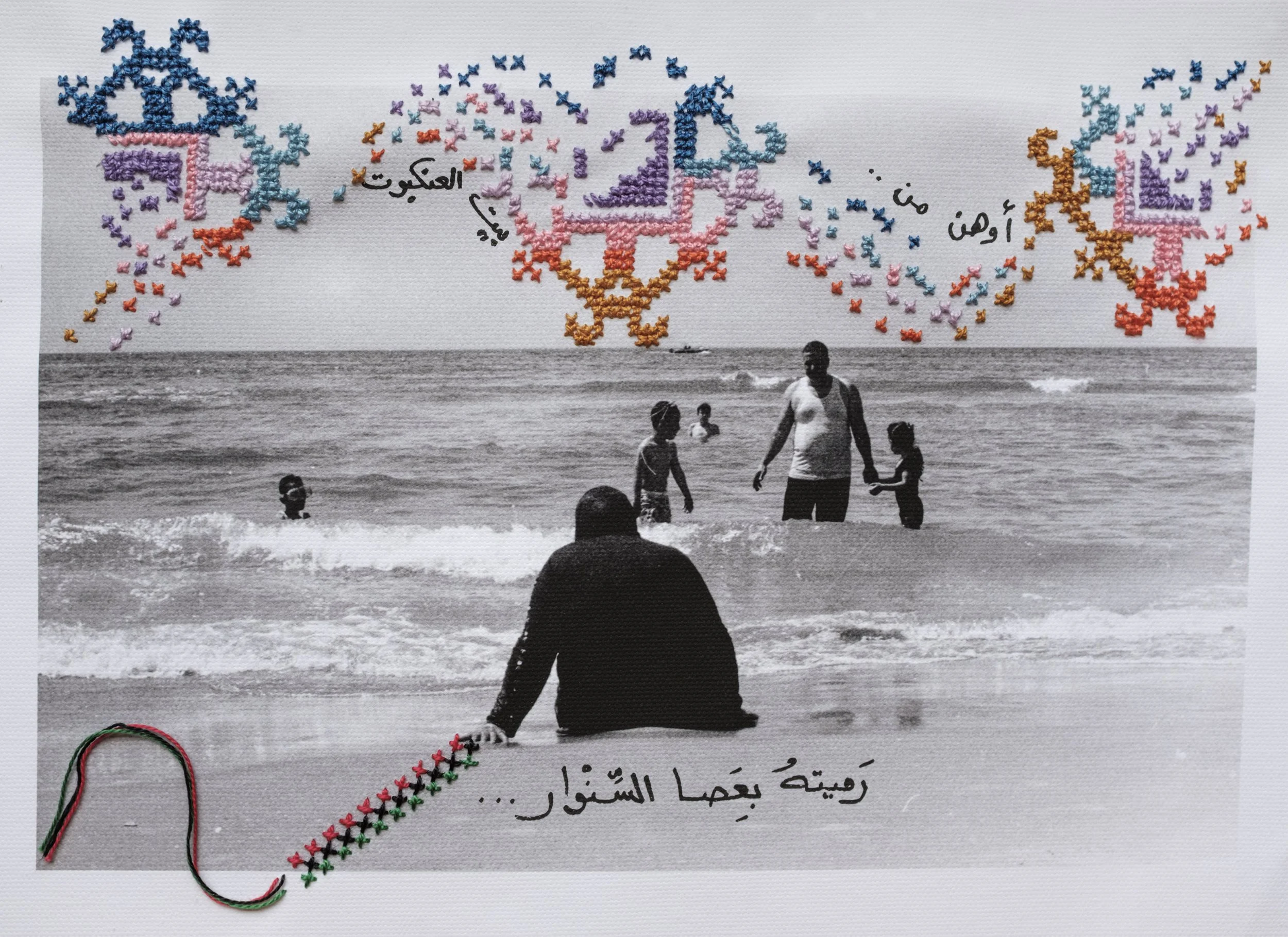
A Palestinian scene on Haifa beach after the erasure of the settler colonial zionist entity from existence. Haifa city. Embroidery motifs include: the spider’s web from Gaza region and the stick from various regions.
IMAGES & WORDS BY RASHA AL JUNDI AND ALI ASFOUR
Tatreez takes one to the sun
Tatreez takes one to the land
…
Tatreez returned me to the land.
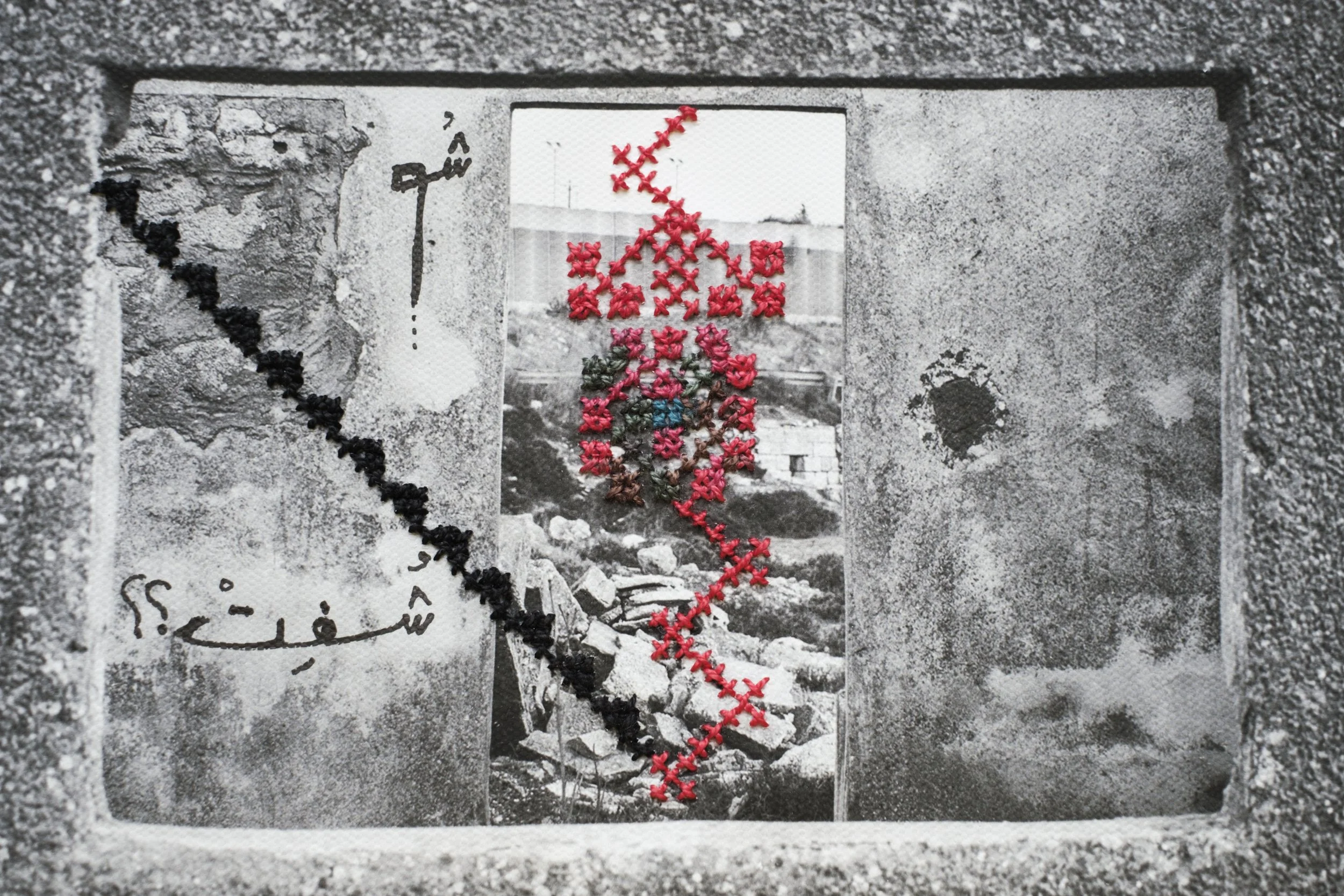
“What did you See” - Overlooking the colonial annexation wall from Jalazoun refugee camp, Ramallah. Embroidery motifs includes: the saw, the road, the missile and the belly of the snake from various regions.
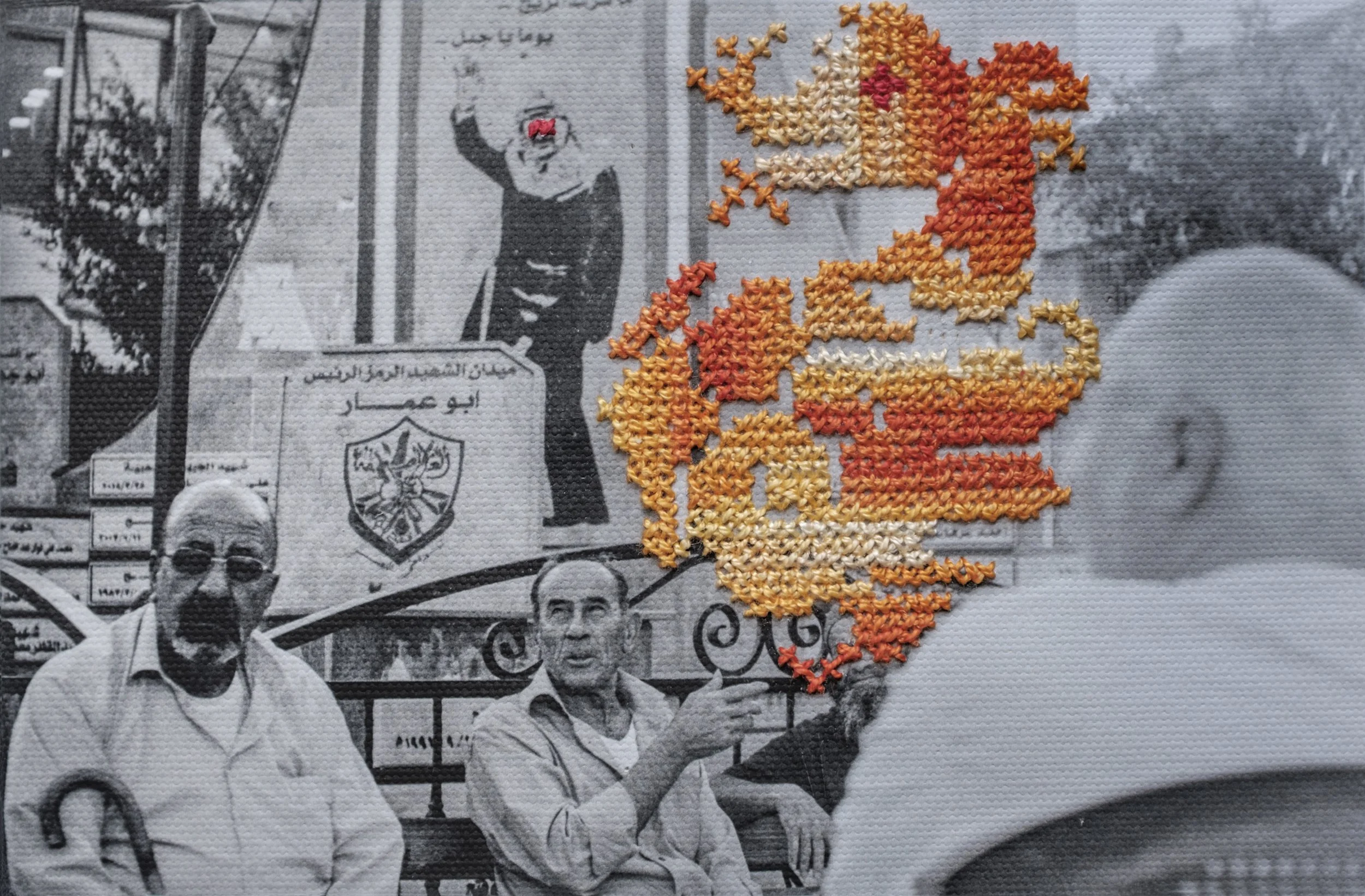
With these reflections, visual storyteller Rasha Al Jundi embarked on a collaborative exploratory journey with fellow Palestinian photographer Ali Asfour through the multimedia project “What did you see?” or "Shu Shufet" in Palestinian Arabic. The project combines Asfour’s black and white analogue images of occupied Palestine and Al Jundi’s hand applied Palestinian tatreez and short reflections as text to selected prints.
Having been born and brought up in exile, Al Jundi came to a quick realisation that she may never set her eyes on her homeland Palestine. She grew up listening to stories of forced displacement, belonging, political arguments, revolutionary visuals, songs and text being shared by different family members. After all those years, it was a pure strike of luck that she managed to visit occupied Palestine for seven days and six nights in August 2023. This very short timeframe is set by the colonial zionist system: the one that grants a Palestinian exile access to their land is the same one that is actively working to erase it. This equally heartwarming and painful trip, only intensified her sense of loss. She realised that her biggest regret in life is leaving the homeland when she was given a chance to set foot in it.
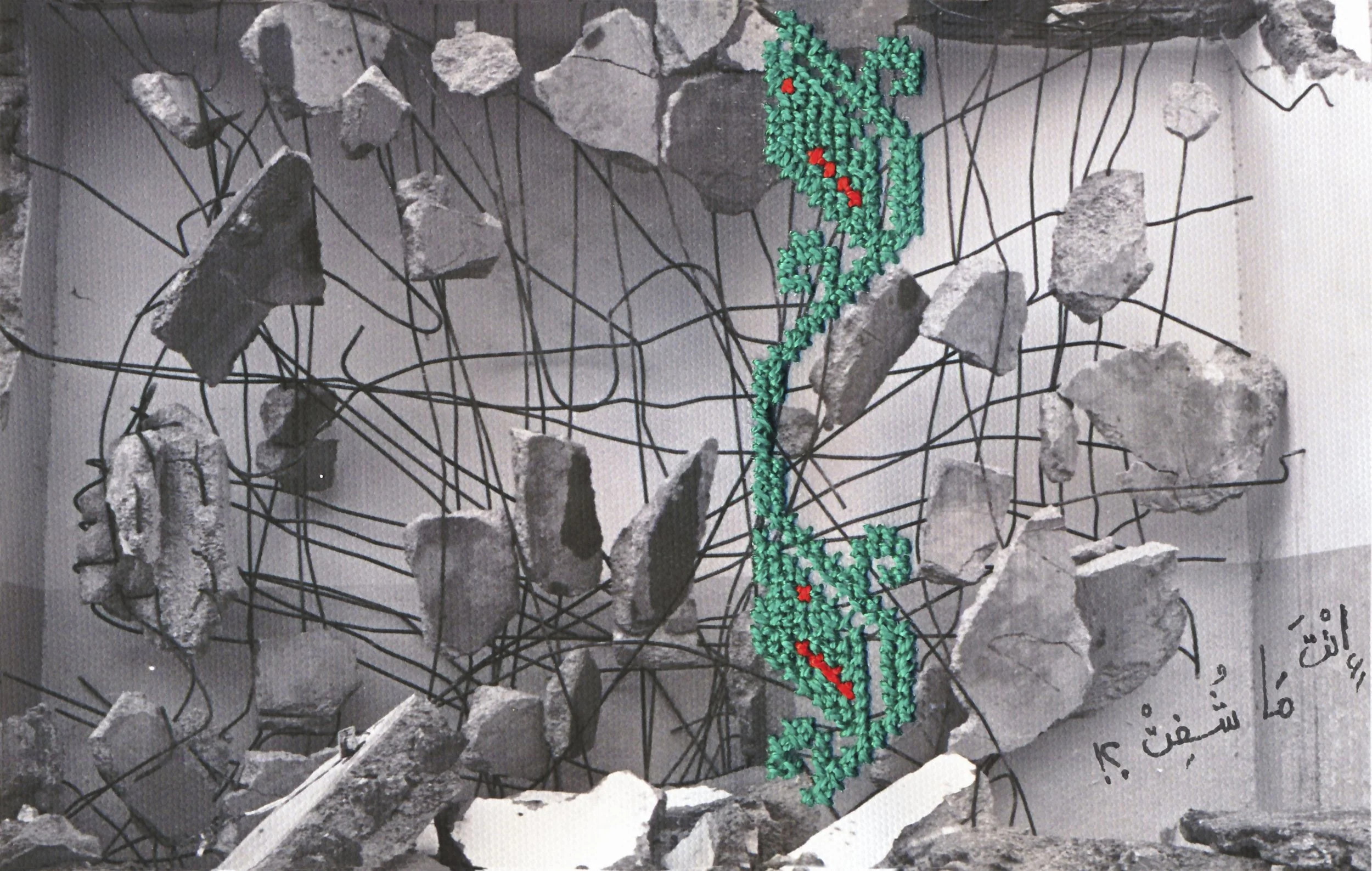
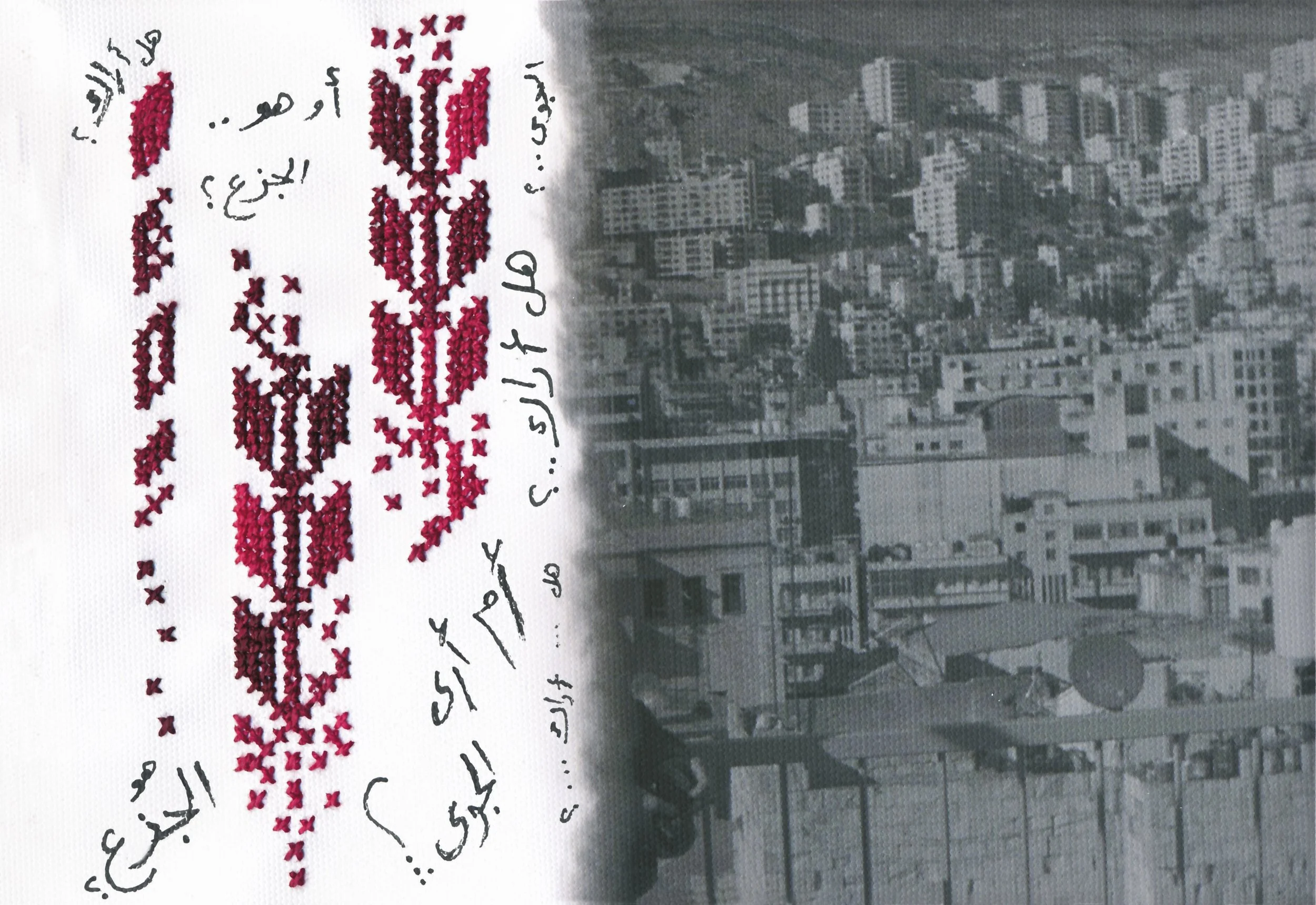
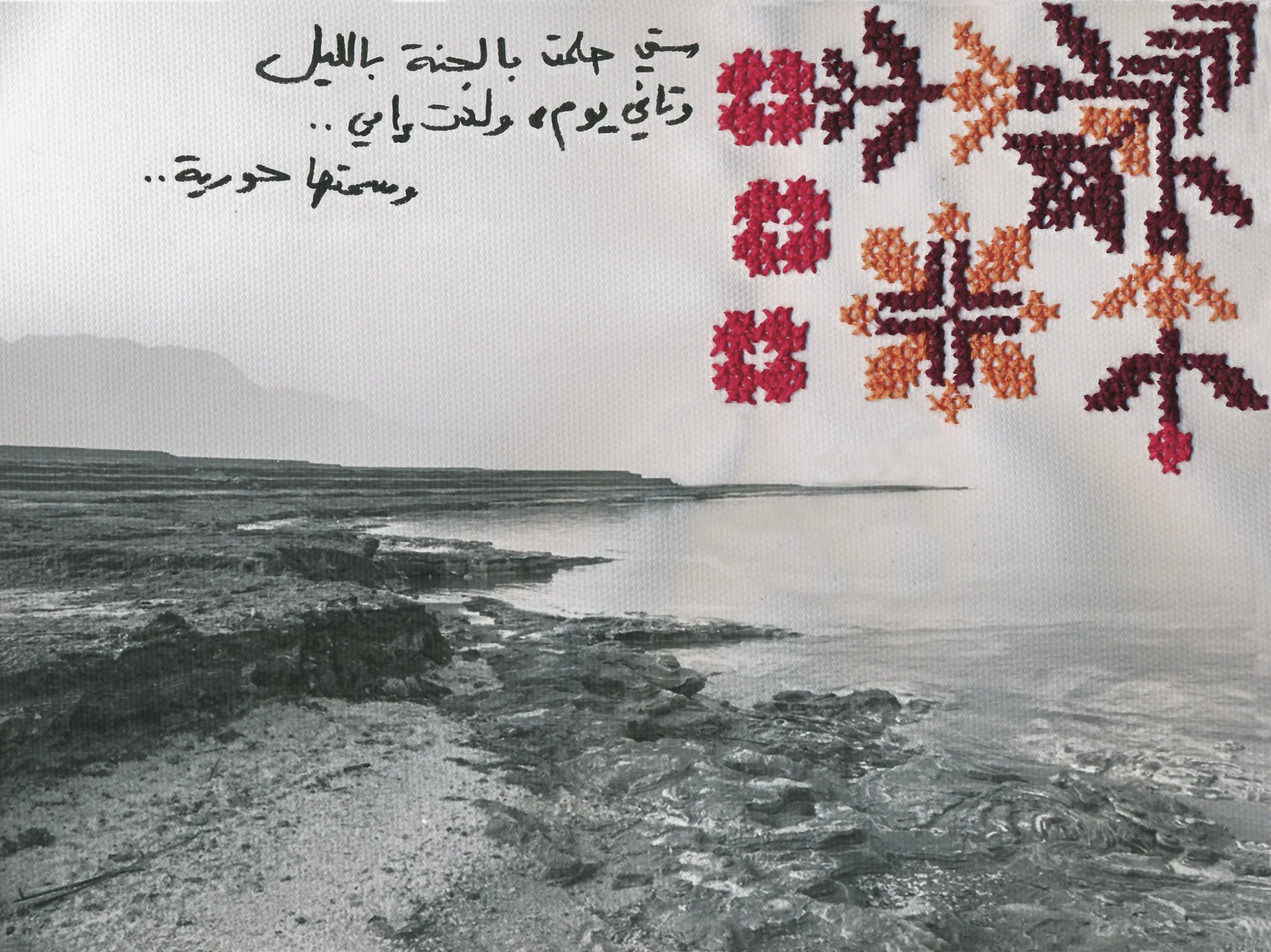
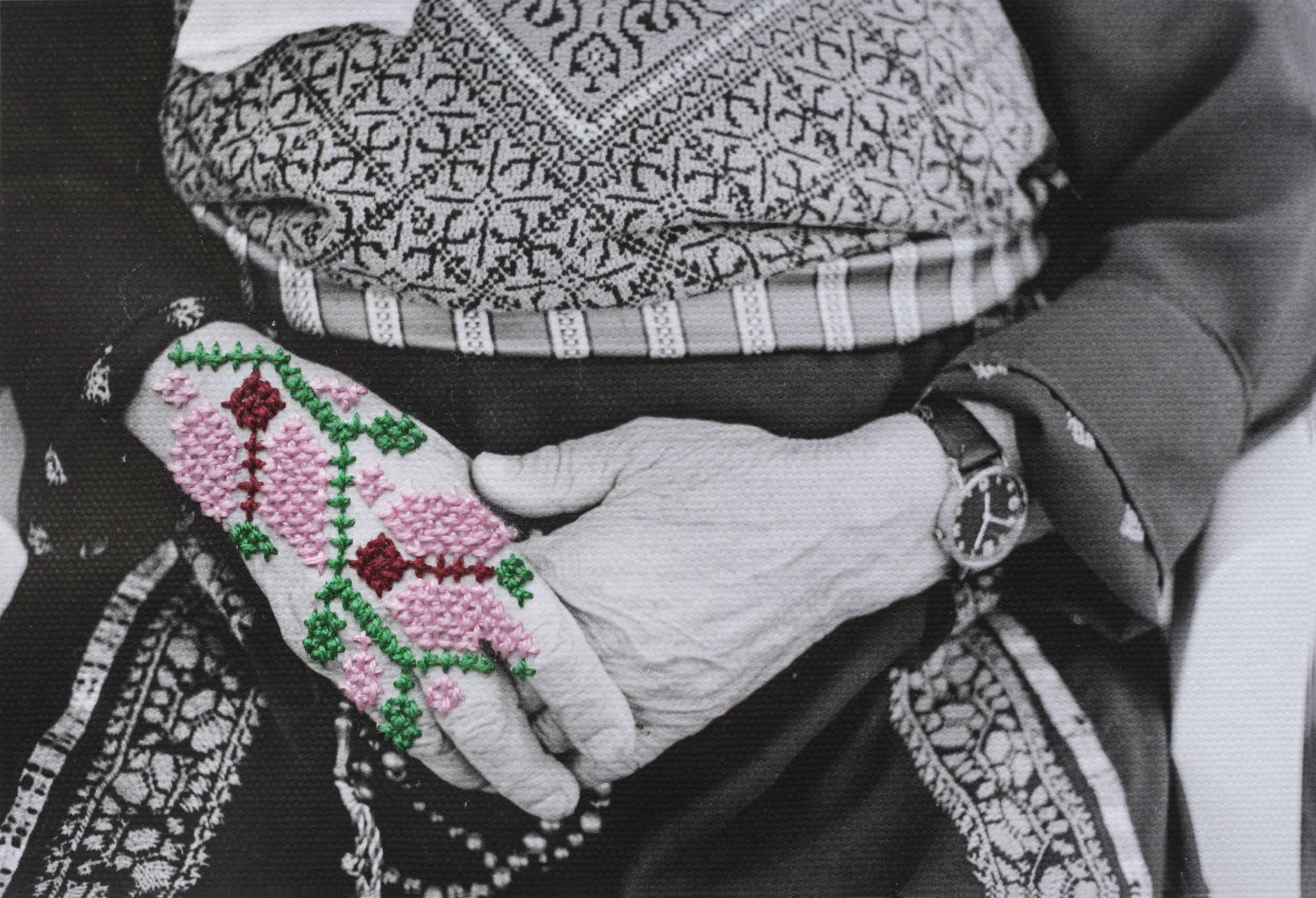
Out of the many interesting encounters during that visit, Al Jundi met Asfour during the last few hours in occupied Palestine. A few weeks after her departure, he approached her proposing a collaboration in which he places selected images from his present and archival works of the homeland in her hands to place herself there through her embroidery intervention. In other words, Al Jundi continued to visit occupied Palestine through Asfour’s eyes.
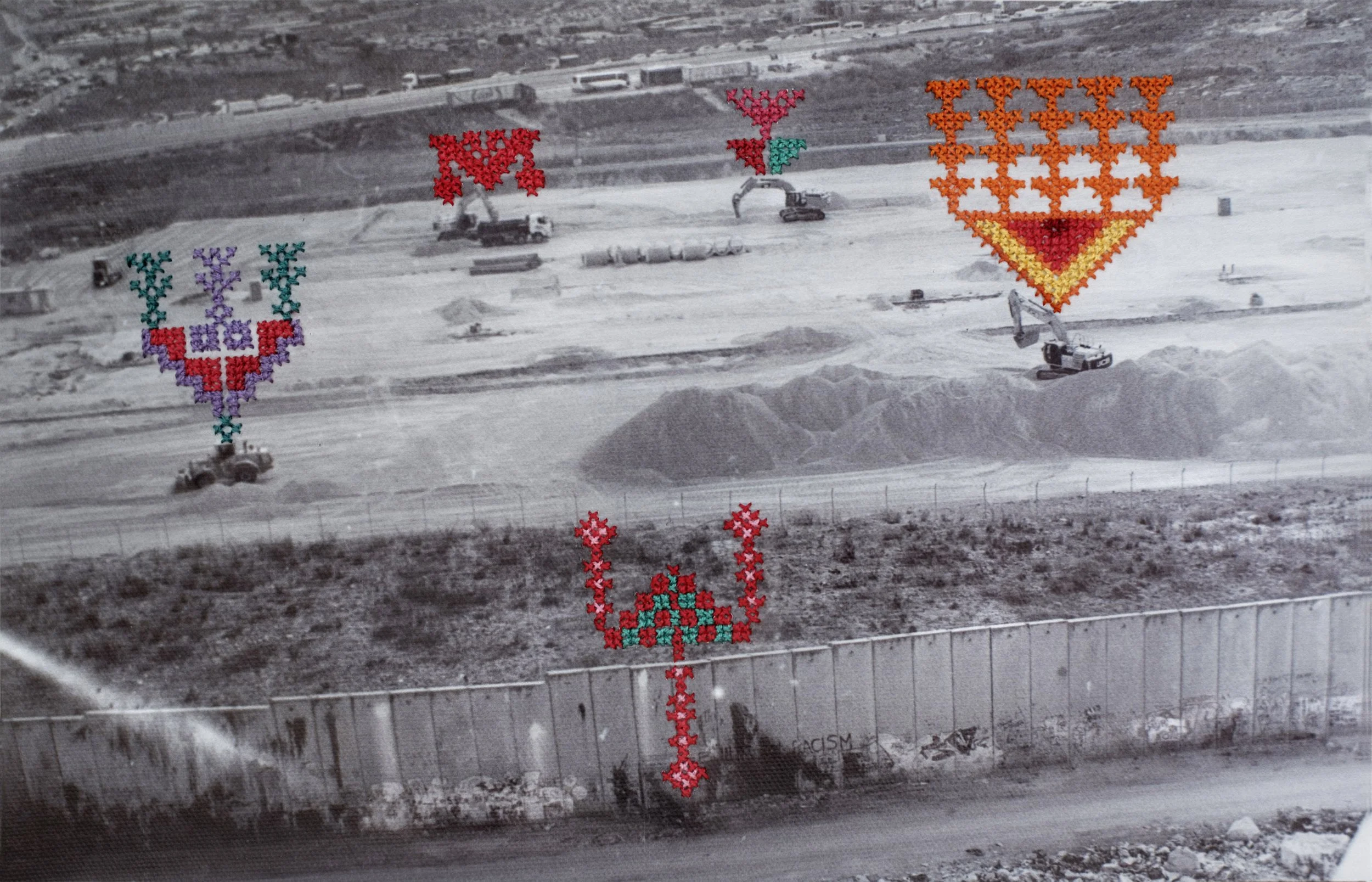
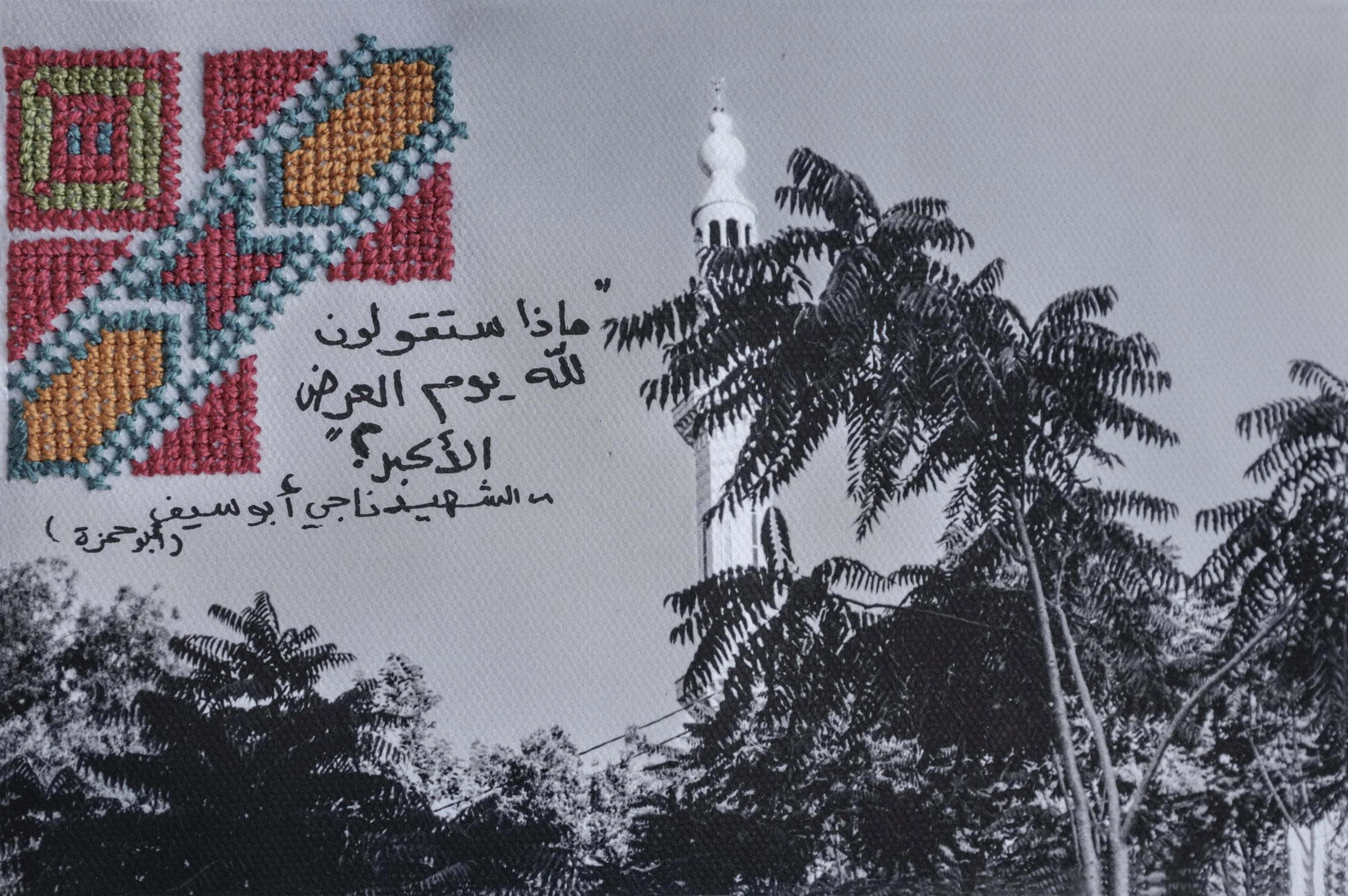
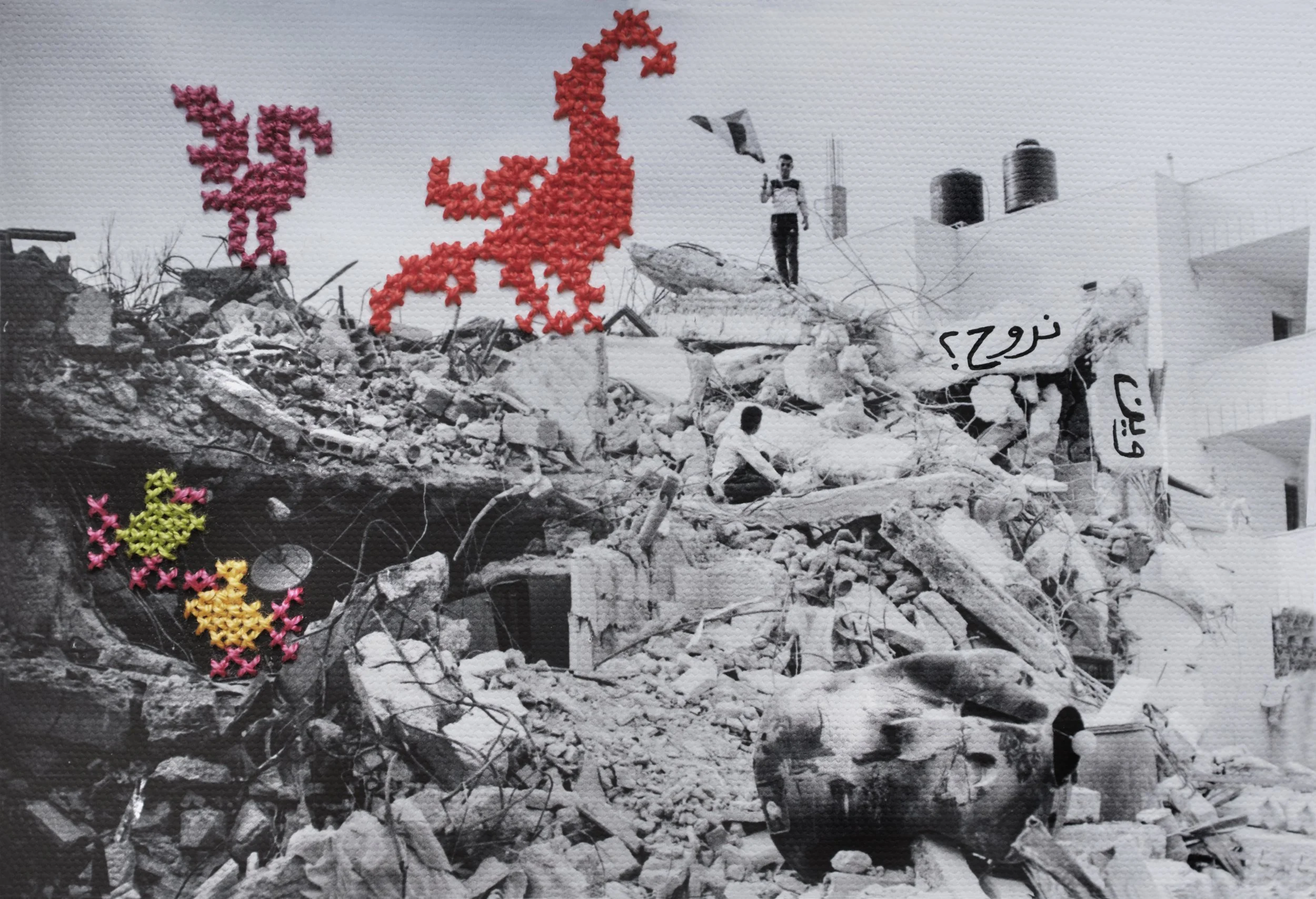
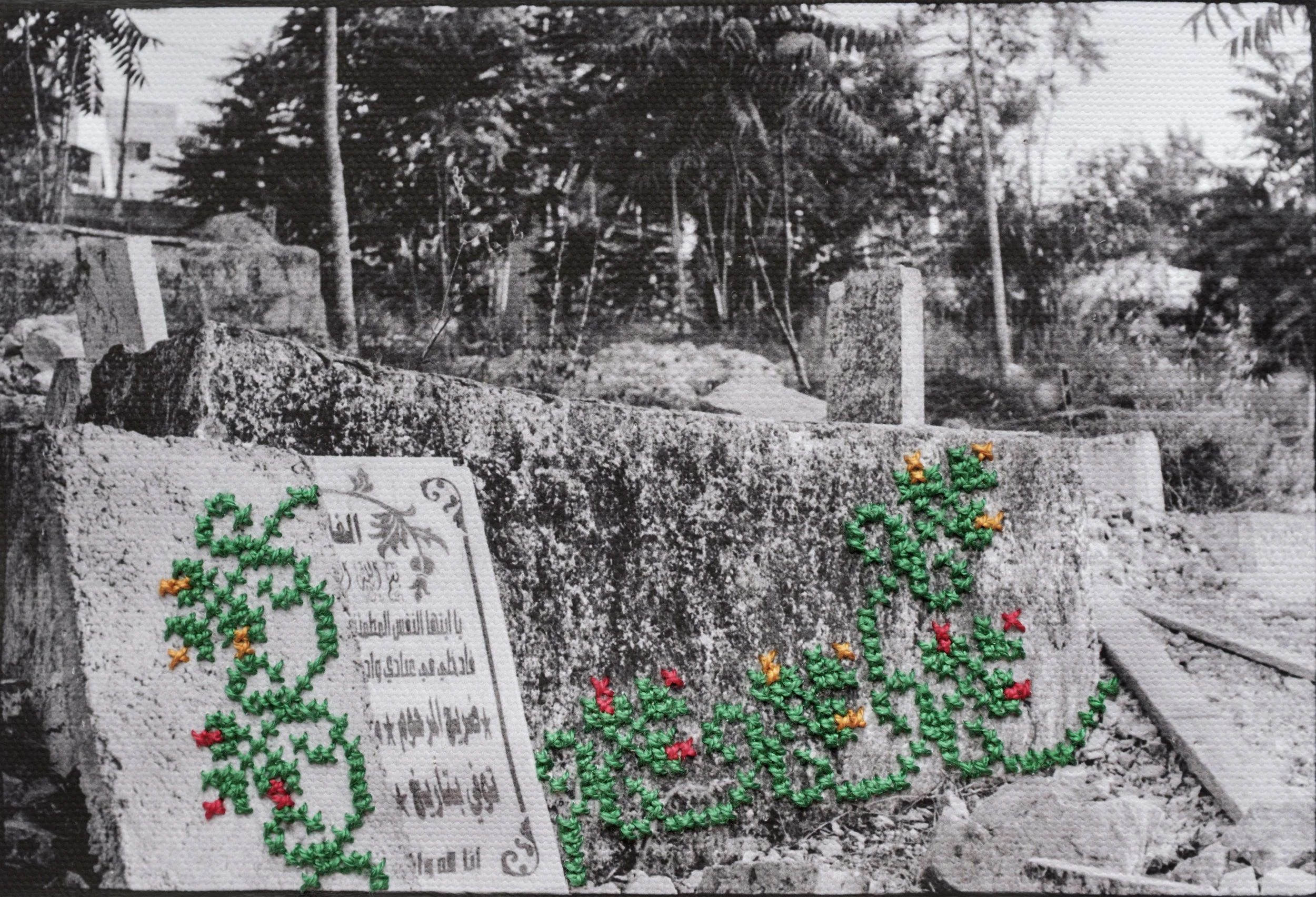
Despite extreme movement restrictions imposed by the zionist occupation, Asfour has been visually documenting everyday life in occupied Palestine for many years. His images offer a stark view of the reality of colonisation, and a glimpse of both the tough and the tender presence of the native Palestinian. Using tatreez, a visual art form that reflects the Palestinian’s connection to their land, society and political struggle, Al Jundi dives deep into her own imagination to create a story for each image and a space for herself to be part of it. This way, she actively returns to Palestine, interacting with its people and landscapes.
“What did you see?”, is a simple question that pops up in the Palestinian exile’s mind whenever they sit with someone who has been to the inaccessible homeland. This visual collaboration aims to share some answers with the viewer, and leave room for one’s own interpretation of what it is that one actually sees, and fails to see, when they visit a colonised land whose rooted people simply refuse to be erased.
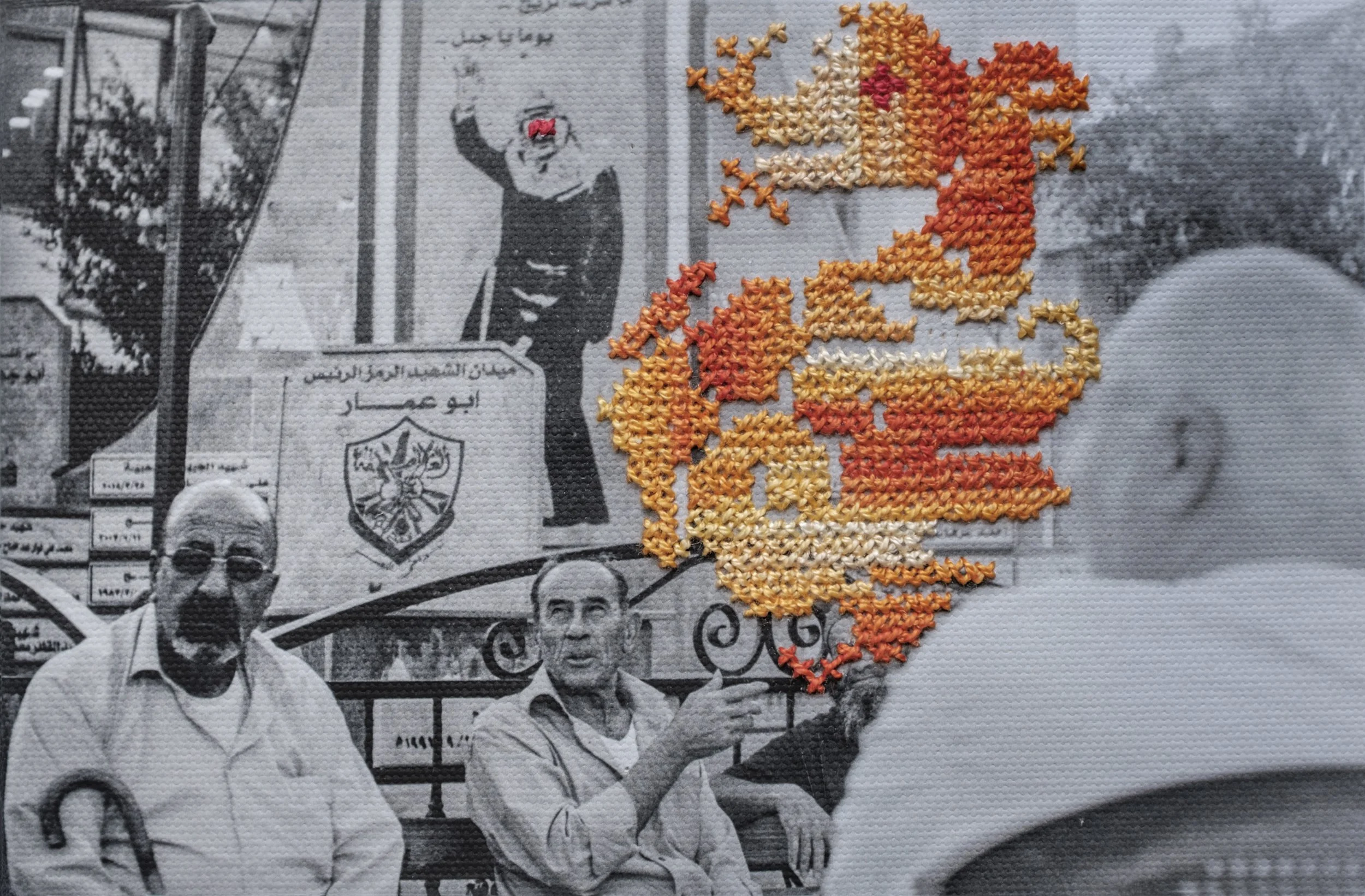
Our Naksa’s Snake - They called him a symbol. Draped in a kuffiyeh, he roamed through European parliaments like a pet with a cause. The West needed a brown man they could stomach. Someone who would compromise: not too angry, not too armed. Arafat was perfect. He kissed their hands with one while the other signed us away — Oslo, the bullet dressed as a dove. He took the blood of the fedayeen and diluted it into empty handshakes, into exile labeled as self-governance. After Jordan bled us out in Black September, we thought Lebanon would be different. But he turned it into another stage. Civil war bloomed and he kept playing president of nothing. President of promises. Of funerals. Of compromise. Always compromise. We buried too many for compromise. They said he died a martyr. We say he lived a traitor. He didn’t liberate, no. He negotiated our erasure in phases. And what came after him was worse. A factory of suited thieves calling themselves a government. From Tunis to Ramallah, they built a palace on our backs and called it leadership. He gave them everything on a golden plate and called it peace. But peace is a lie when it sits on the rubble of your homeland. We’re still here, neck-deep in the consequences. And he’s still framed on walls like a saint. But we don’t light candles for traitors. We light fires.
Rasha Al Jundi is a recipient of PWB’s Micro-Grant.