
IMAGES & WORDS BY KALOLAINE FAINU
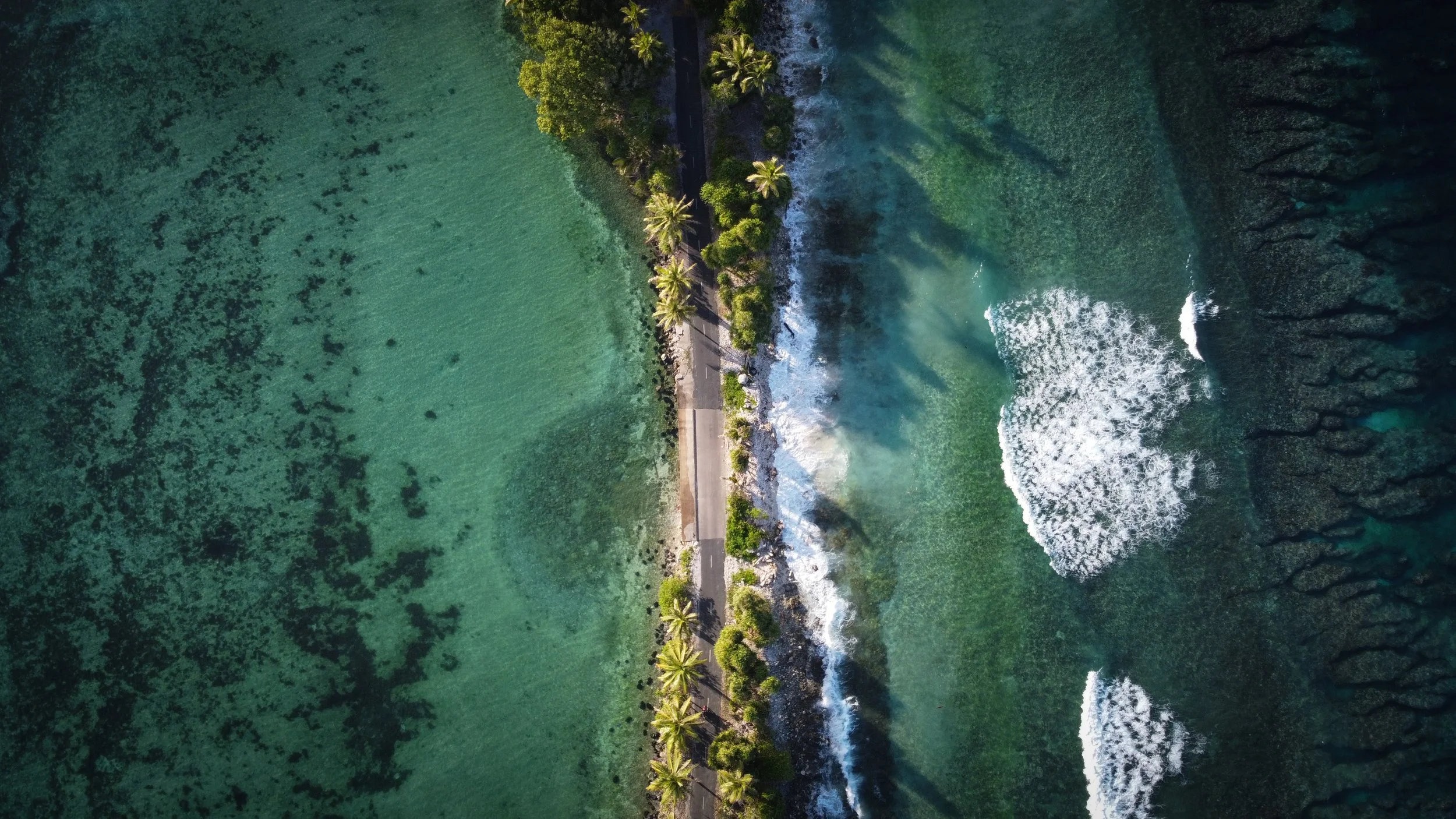
On the low-lying Pacific Islands atoll of Funafuti, Tuvalu’s capital, life unfolds at a relaxed pace. Scooters zip along narrow roads, while the international airstrip which runs down the widest part of the island serves as more than just a passage for flights. In the afternoons, it transforms into the social heartbeat of the island, where locals jog, play games, and gather for impromptu date nights. But beneath this idyllic setting lies a nation grappling with a looming threat: rising sea levels fueled by climate change.
Navigating Love, Tradition, and Survival amid Rising Seas
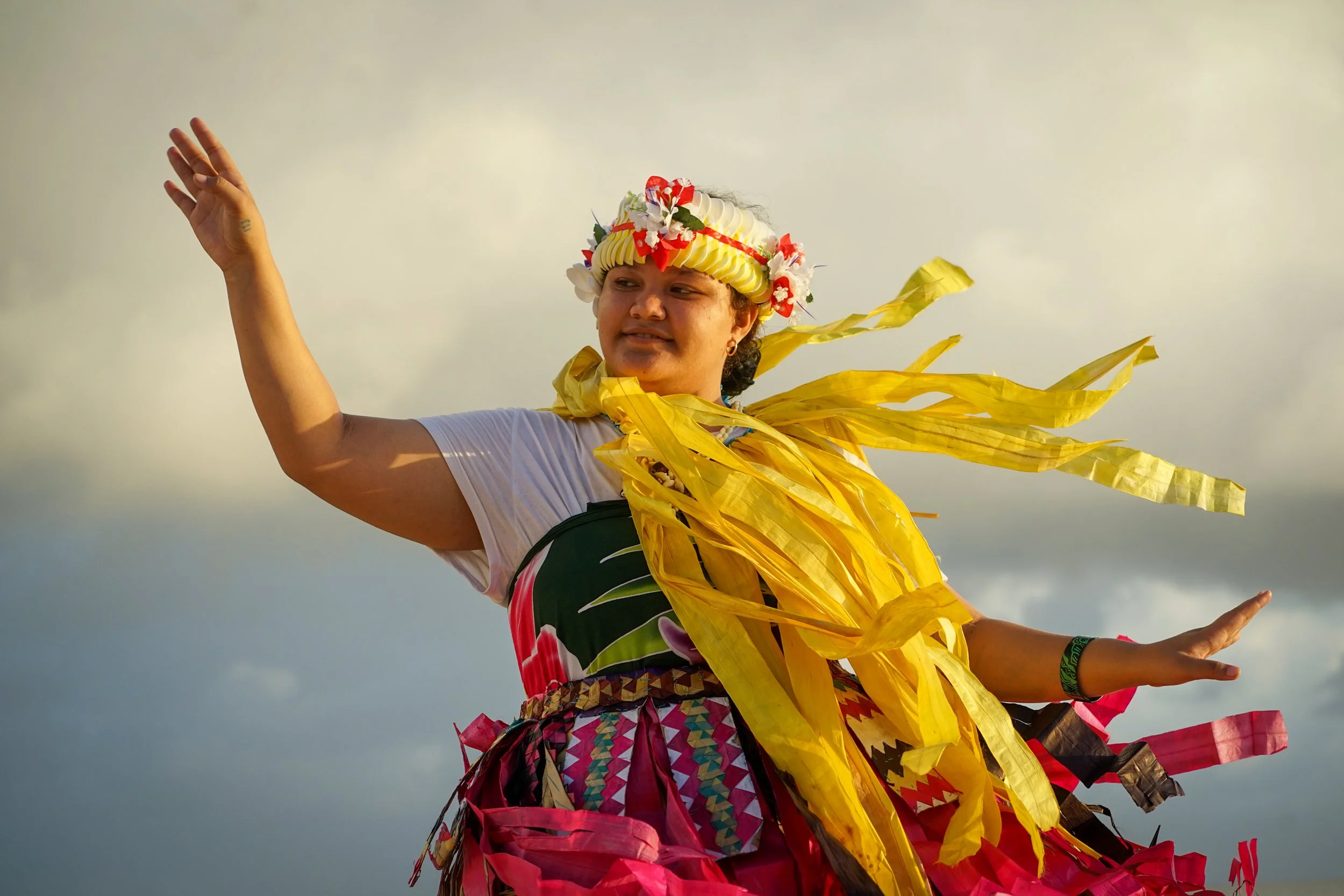
Tuvalu, a nation of nine islands, is predicted to be one of the first countries facing the possibility of becoming completely submerged by rising seas within 50 years, making it uninhabitable for human survival much earlier than that. Life on this fragile atoll is bittersweet, where a deep sense of community and tradition collides with the harsh realities of climate-induced challenges. Young couples like Mona and Joshua, who just celebrated their wedding in Funafuti, find themselves at a cross - roads—torn between maintaining their cultural roots and the pressing need to secure a future that may lie beyond their homeland’s shores.
Mona, just 19 years old, recently embarked on her new journey as a married woman. Her wedding to Joshua was a beautiful blend of Tuvaluan customs and modern influences, with traditional singing, communal feasting, and heartfelt blessings from family members. “It’s like proposing to the girl, but you’re actually proposing to the family,” Mona explained, recalling the elaborate rituals that brought both families together to plan the festivities.
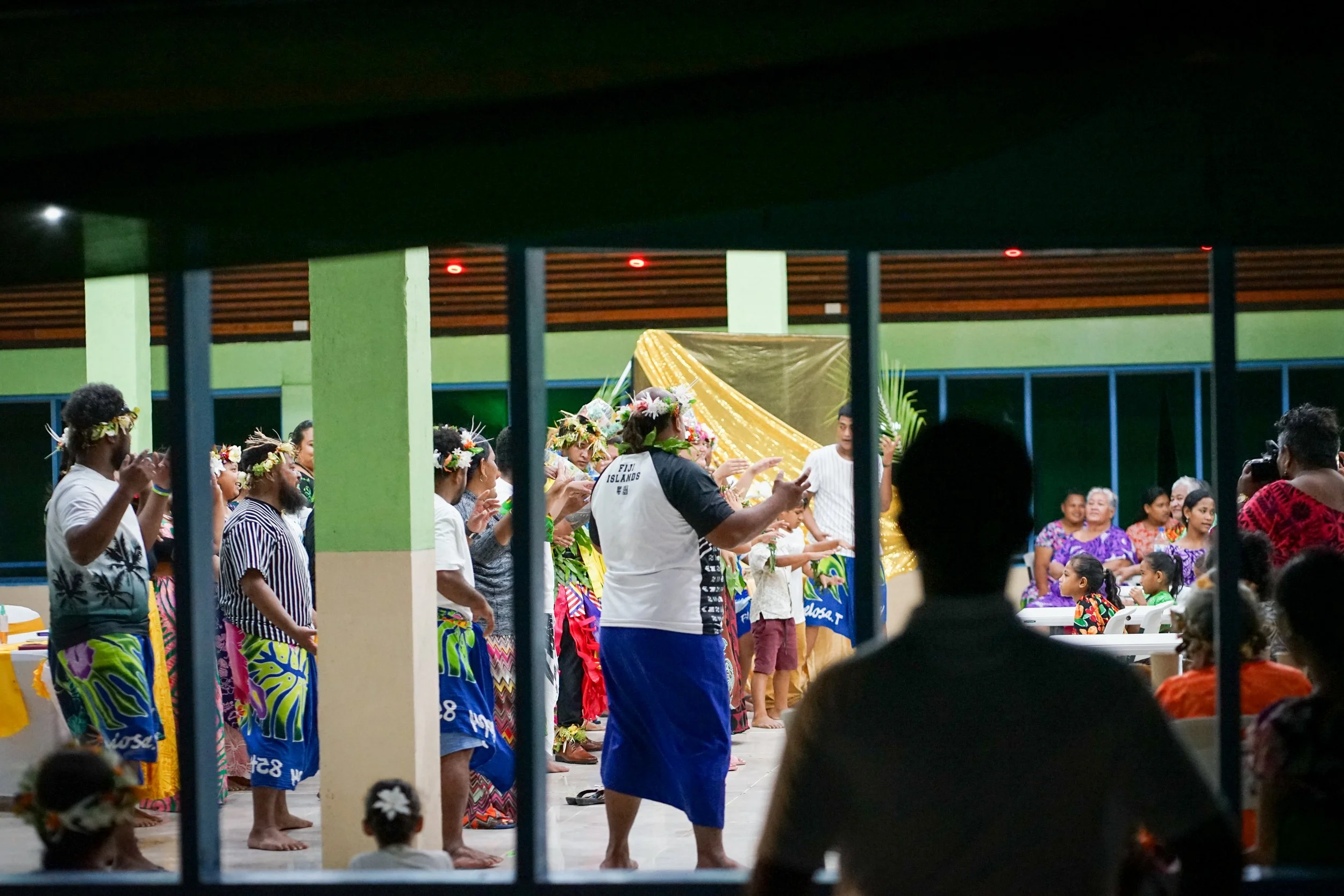
The wedding celebrations spanned several days, culminating in Mona’s emotional farewell to her family as she moved into her husband’s home—a tradition that symbolizes the start of a new chapter. “It was a new experience for me,” she admitted with a laugh, reflecting on the challenges of building a life with someone she’s only just begun to know.
Like many young Tuvaluans, Mona dreams of staying on the island to pass down her culture to the next generation. But the reality of climate change complicates those dreams. “We face challenges like high tides and coastal erosion,” she said, her voice tinged with uncertainty. The pull of opportunities abroad, such as those offered through the Falepili agree - ment with Australia and labor mobility programs, increasingly tempts young couples like Mona and Joshua to leave in search of stability. “It might be safer overseas... so yeah, that’s where we might be heading,” Mona reflected.
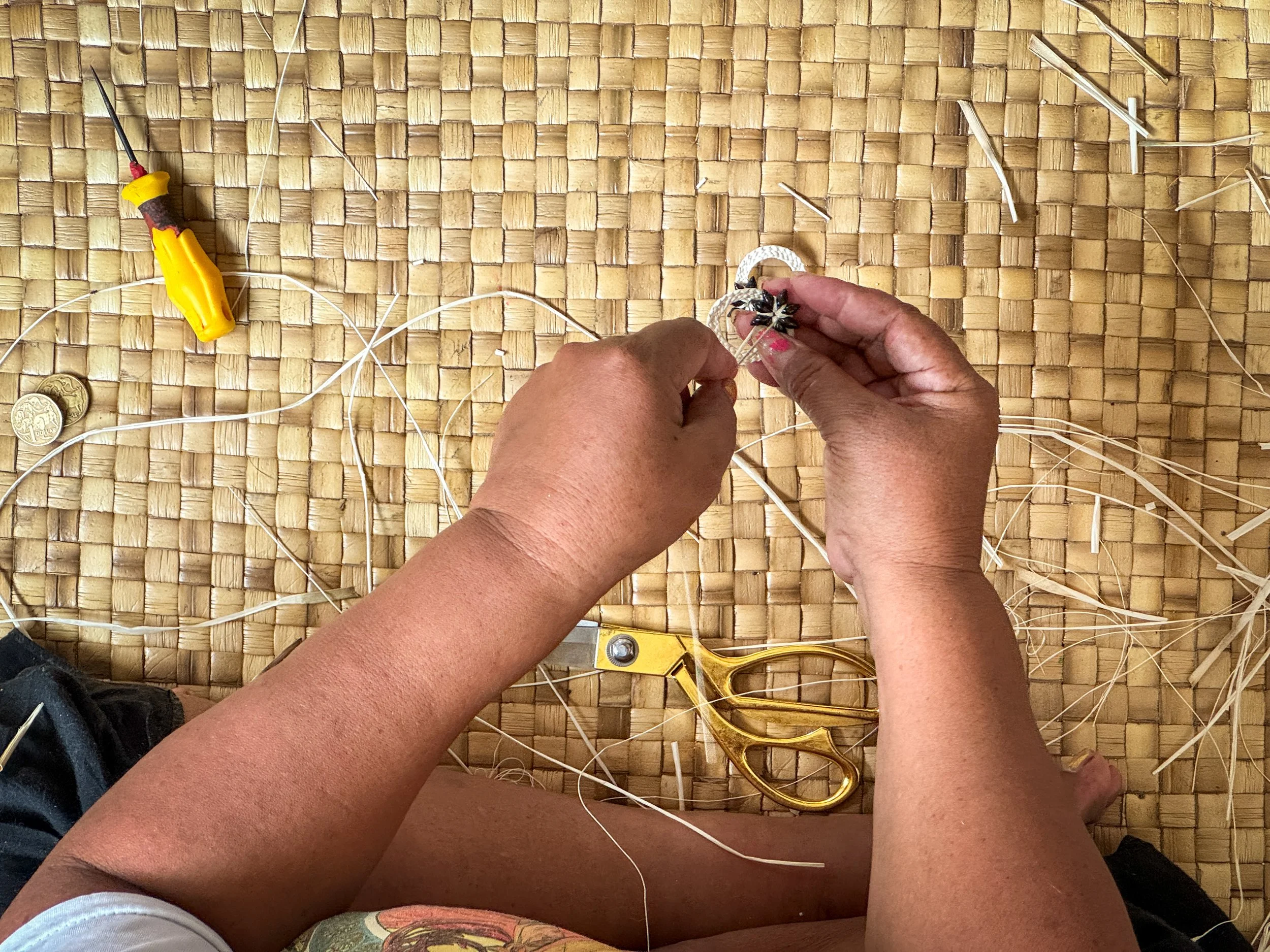
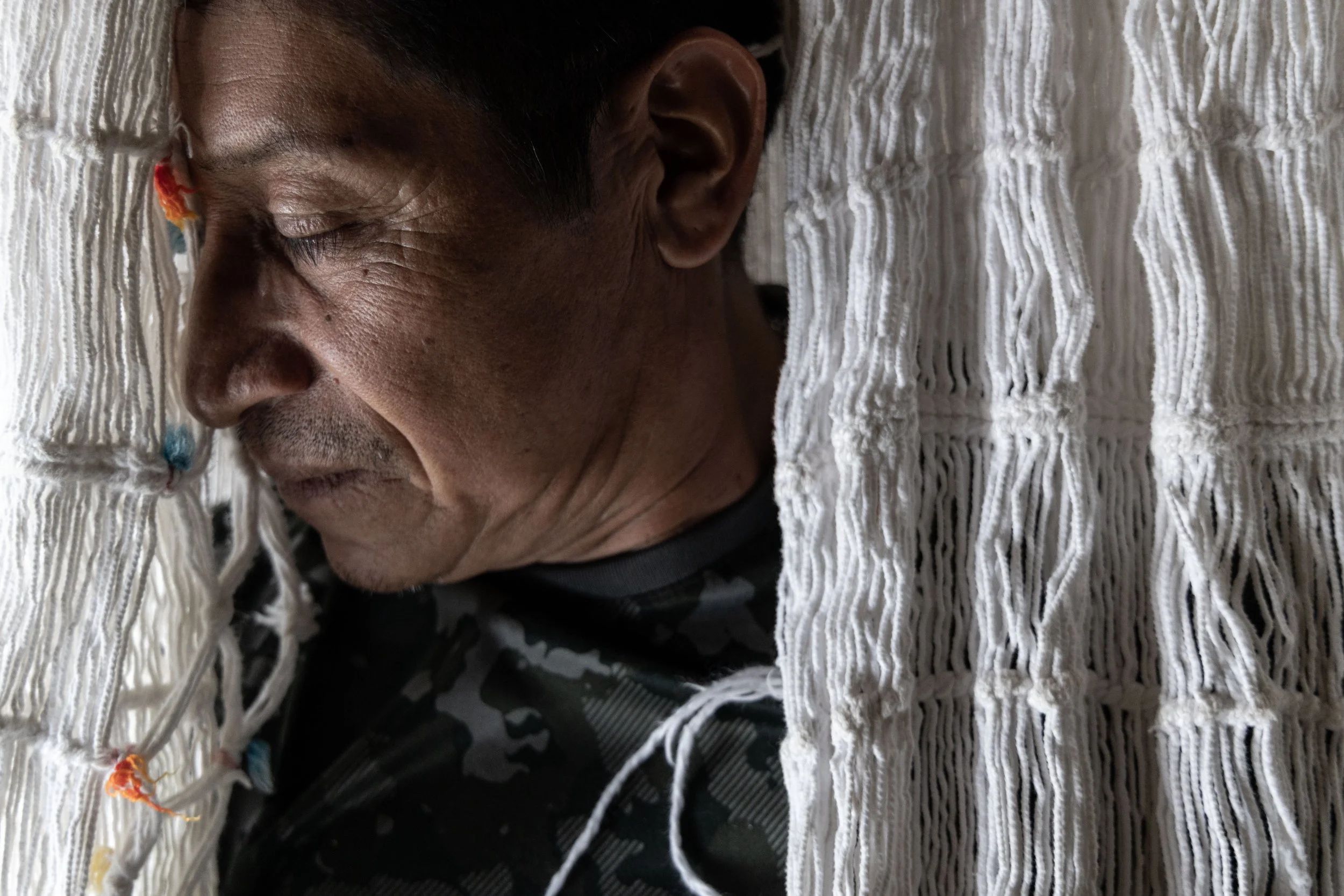
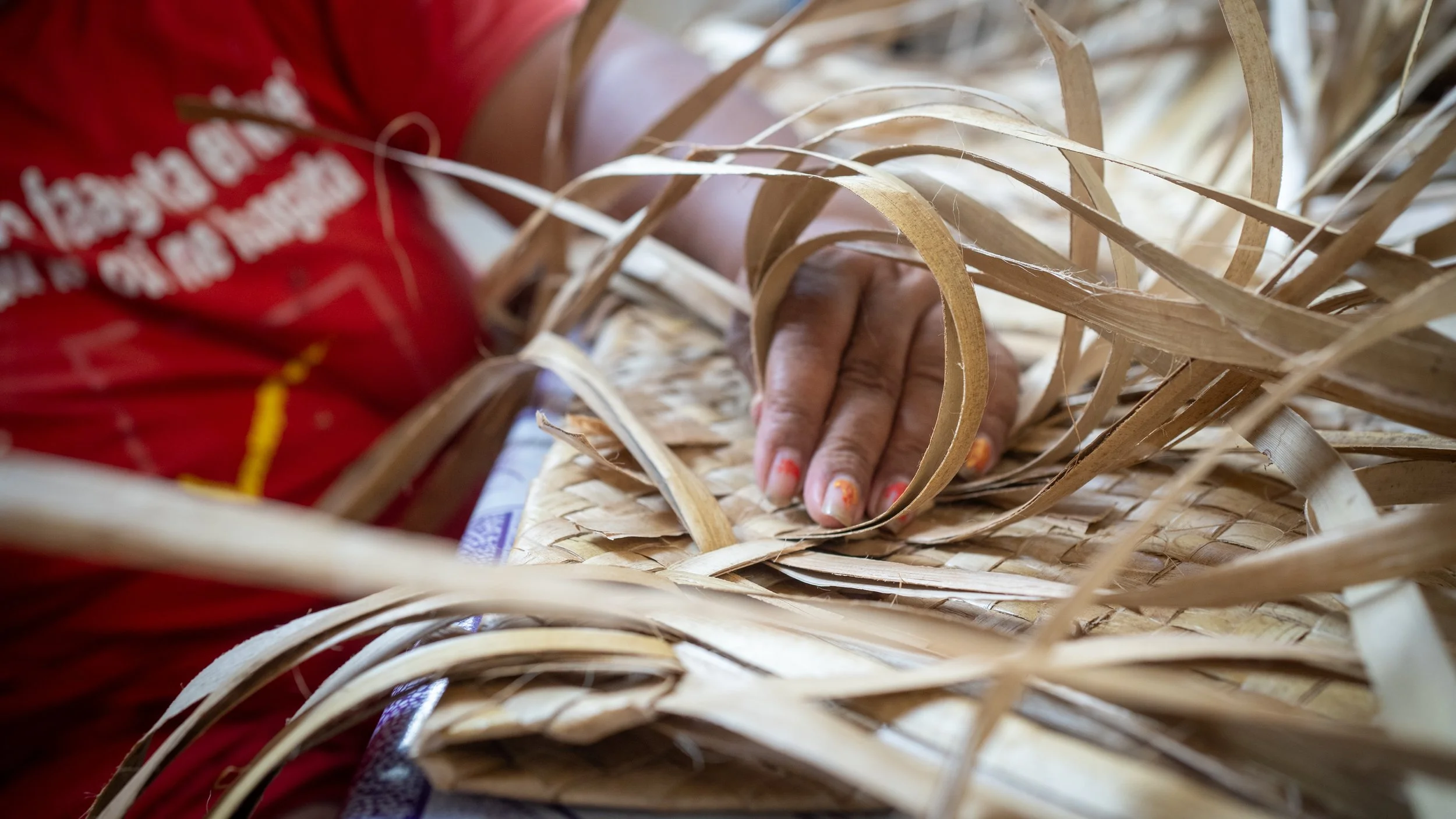
While young Tuvaluans look abroad for new opportunities, some of the rich cultural traditions, such as weaving—a skill passed down through generations—is in danger of fading away. Women weave pandanus leaves into mats, baskets, and fans, each piece a reflection of Tuvaluan identity. Yet with fewer young people staying on the island, this cultural heritage faces an uncertain future.
The delicate art of weaving is more than just craftwork; it embodies the island’s resilience, connecting Tuvalu - and to their past and offering a thread of continuity in an increasingly fragile environment. But as migration rises, fewer hands remain to carry on these skills, leaving a question mark over the future of such treasured traditions.
A Race against Time
Tuvalu has responded to the rising seas with bold efforts, including the Tuvalu Coastal Adaptation Project (TCAP). This land reclamation initiative has extended parts of Funafuti’s coastline, creating a crucial buffer against storm surges and king tides. On the newly reclaimed land, locals gather to enjoy the expanded space for recreation.
There is a trade-off, however. The environmental cost of the land reclamation is evident in the lagoon where sea life has been affected by the dredging of sand and reconstruction. Yet, for many Tuvaluans, these projects are essential lifelines—temporary solutions in a race against time.
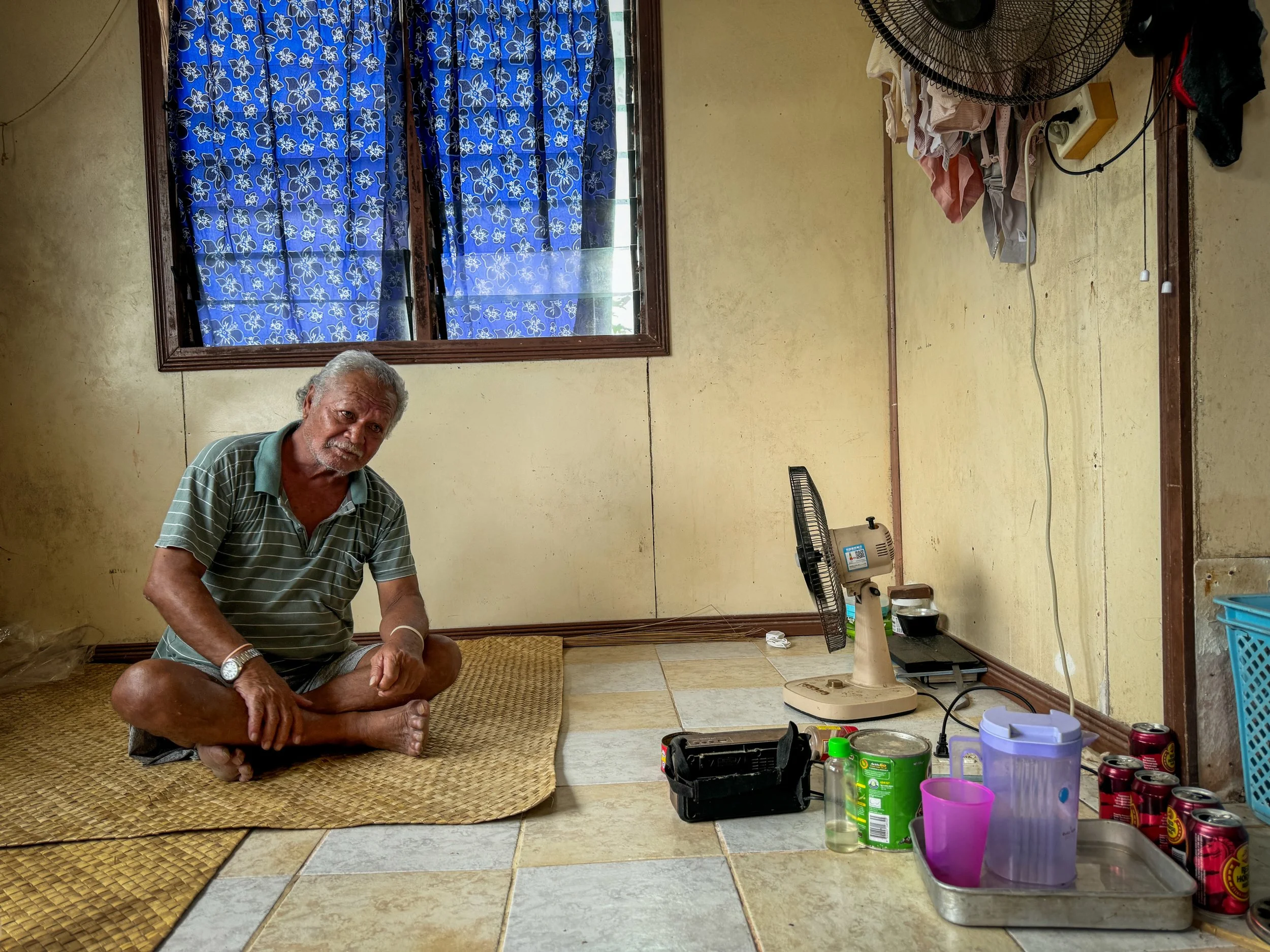
Rising sea levels have also made food security a growing concern in Tuvalu, as saltwater intrusion degrades the already poor soil, leaving little land suitable for farming. As a result, the island relies heavily on imported goods, with nearly 80% of its food coming from overseas. In the face of these challenges, small agricultural efforts like raised vegetable beds provide a glimmer of hope. One such initiative, the Fatoaga Fiafia Farm, opens its market only twice a week, where locals must wake early to secure a spot on the list and claim their small ration of fresh produce. Supported by a Taiwanese NGO, this farm remains the only source of locally grown vegetables in Funafuti, as no other markets for root crops or fresh produce exist, underscoring the limited options for locally-grown fruit and vegetables.
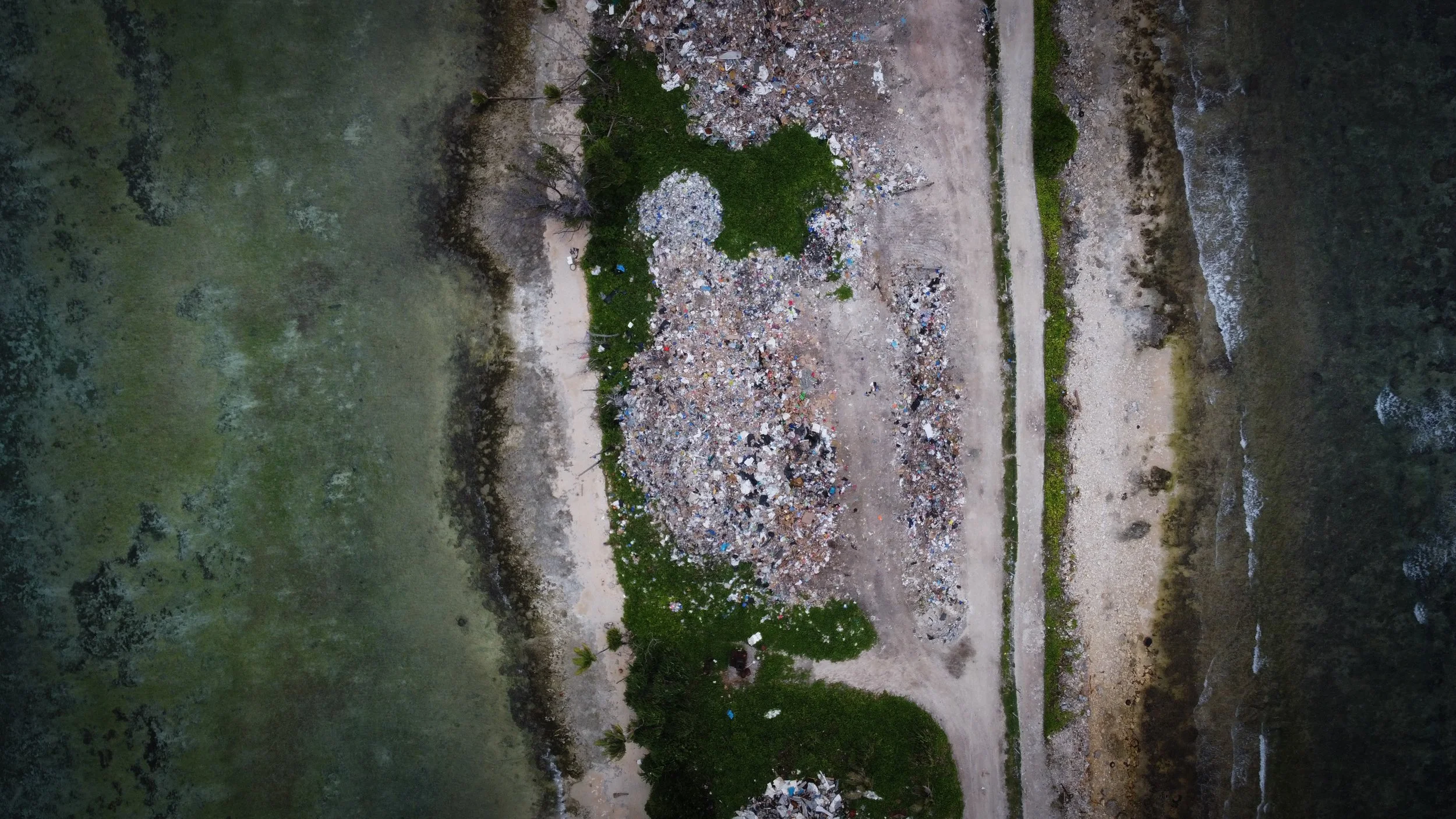
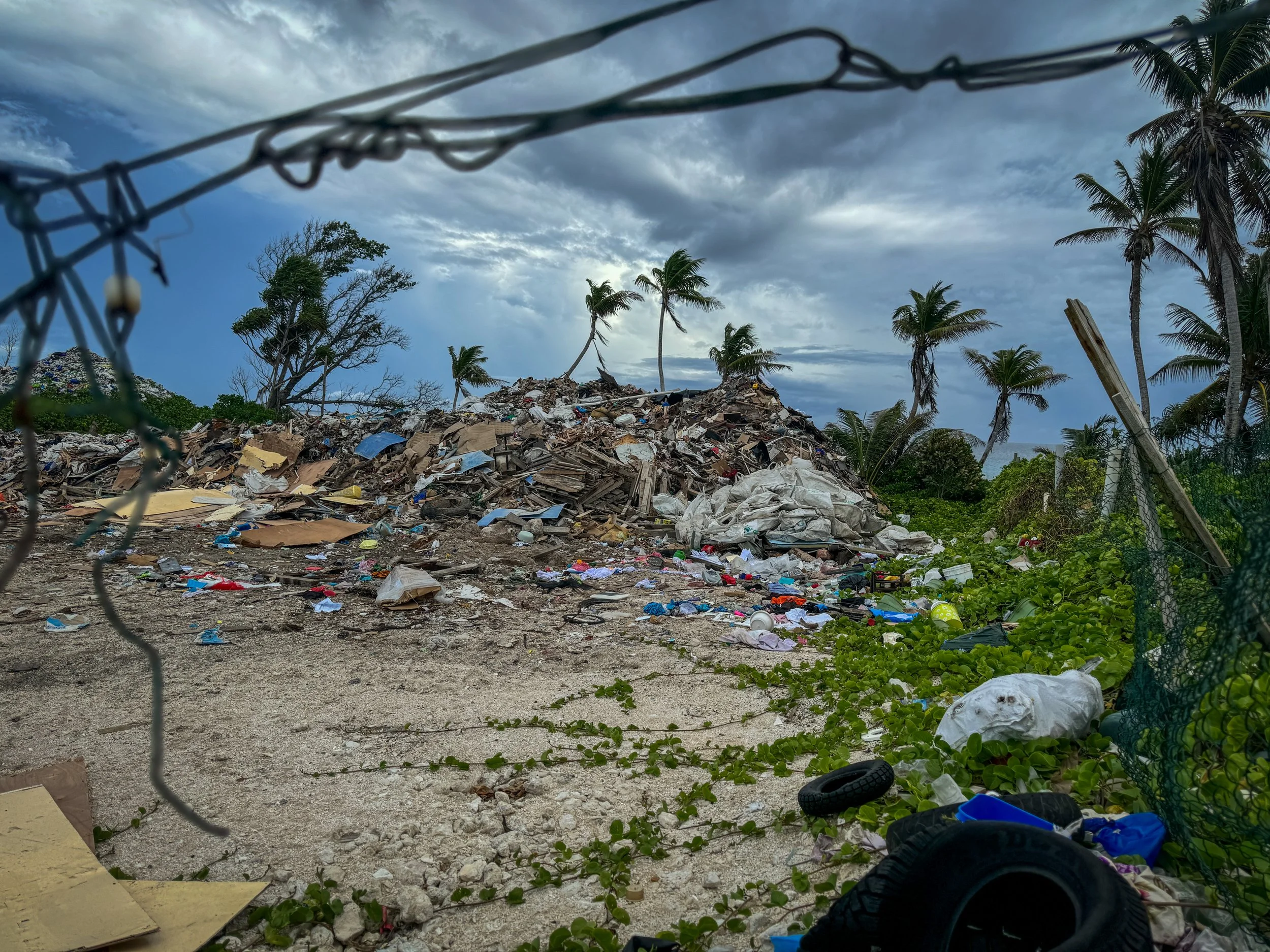
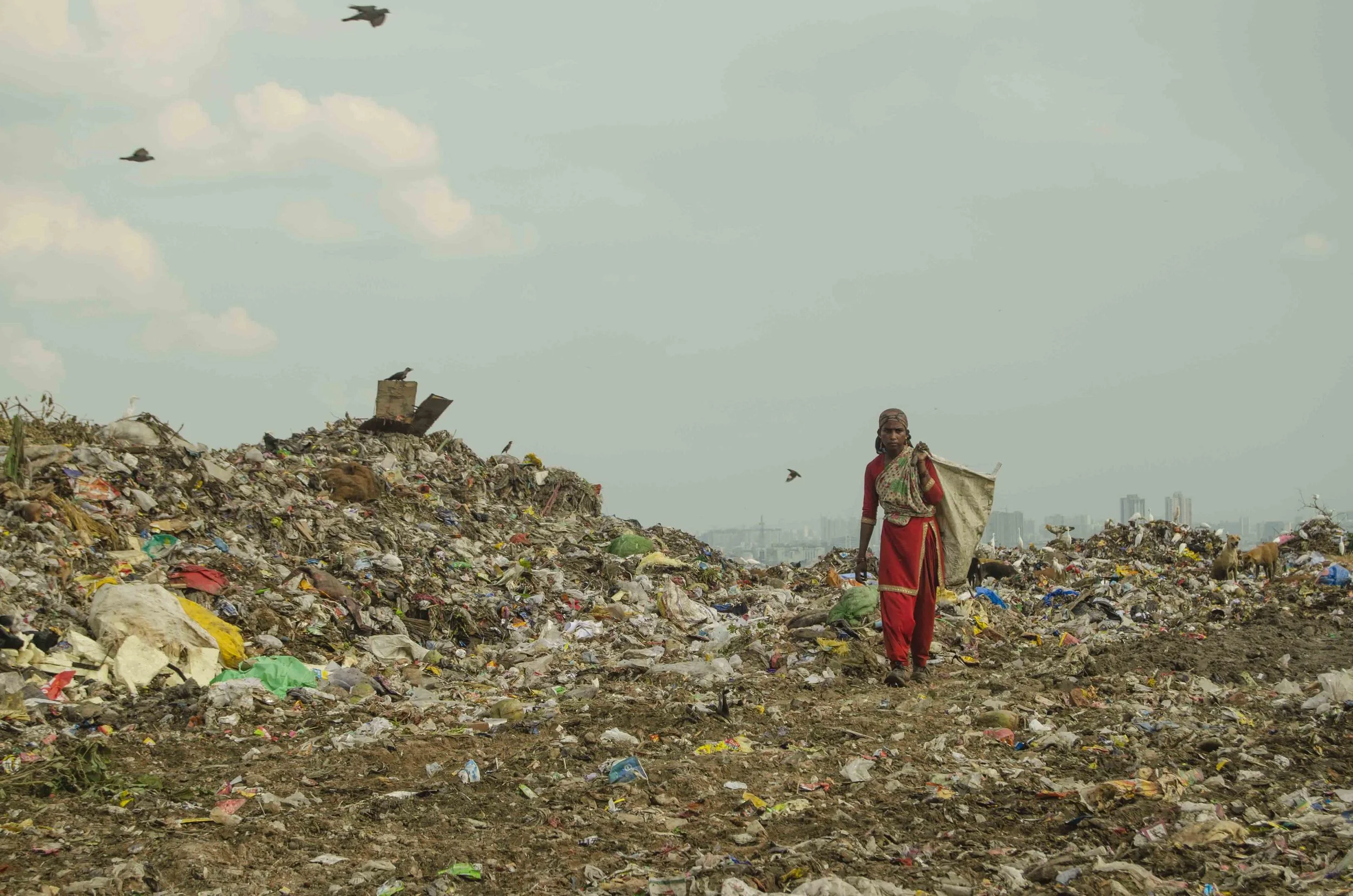
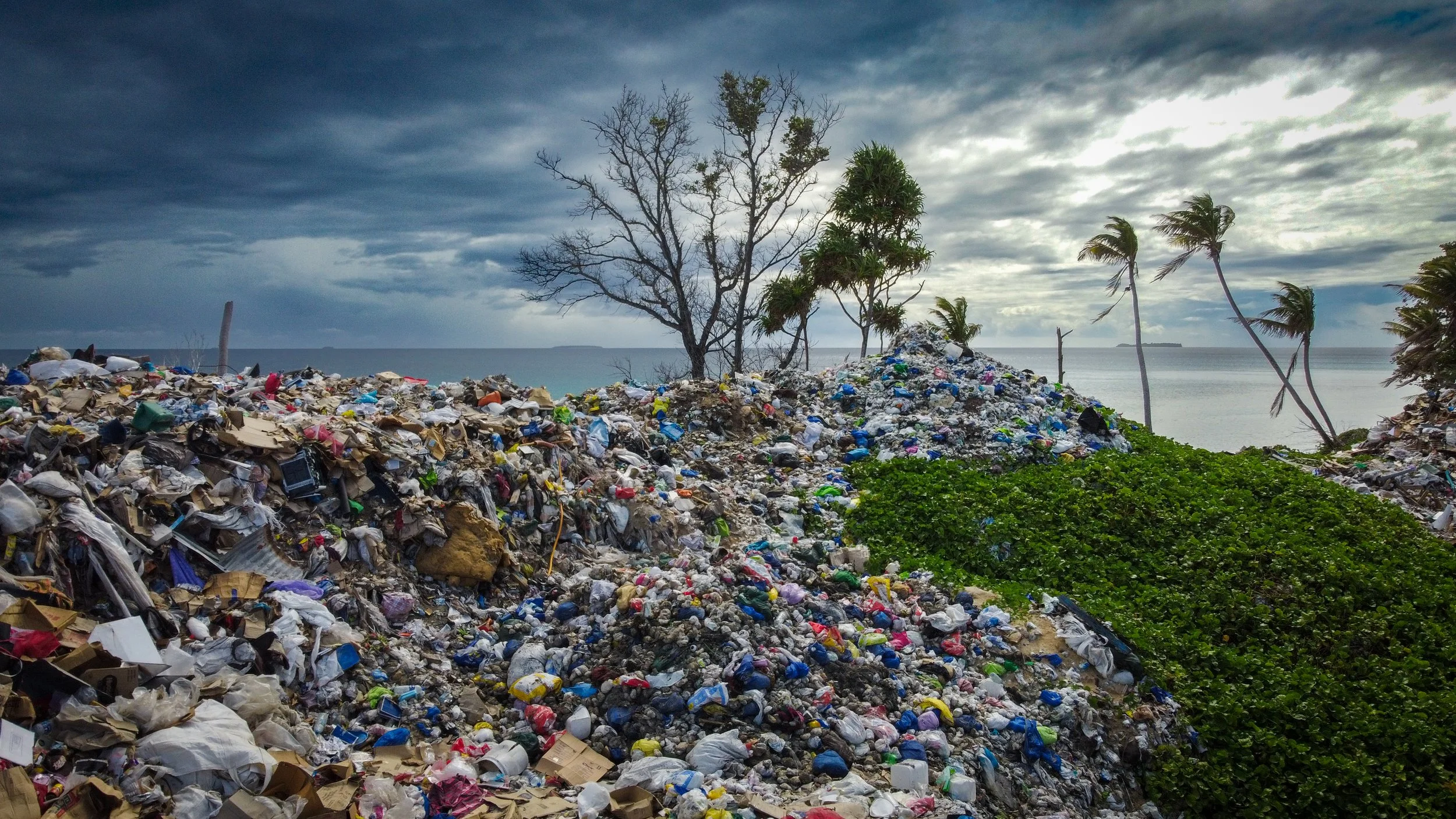
Another pressing challenge on the tiny Pacific Island atoll is waste management. Funafuti’s tropical landscapes are marred by growing piles of discarded goods — old scooters, machinery, plastics, and general refuse. With few-to-no recycling options available, waste accumulation spans the island, creating stark contrasts between its natural beauty and the burdens of modern consumption.
A Future in Question
Tuvaluans like Mona live on the frontlines of climate change, balancing hope with hard choices. As she contemplates her future with Joshua, Mona is torn between staying on her island home she loves so much and the lure of security overseas. “For now, we struggle,” she says, acknowledging the mounting pressures of environmental change. “If we have to go, it depends on our survival.”
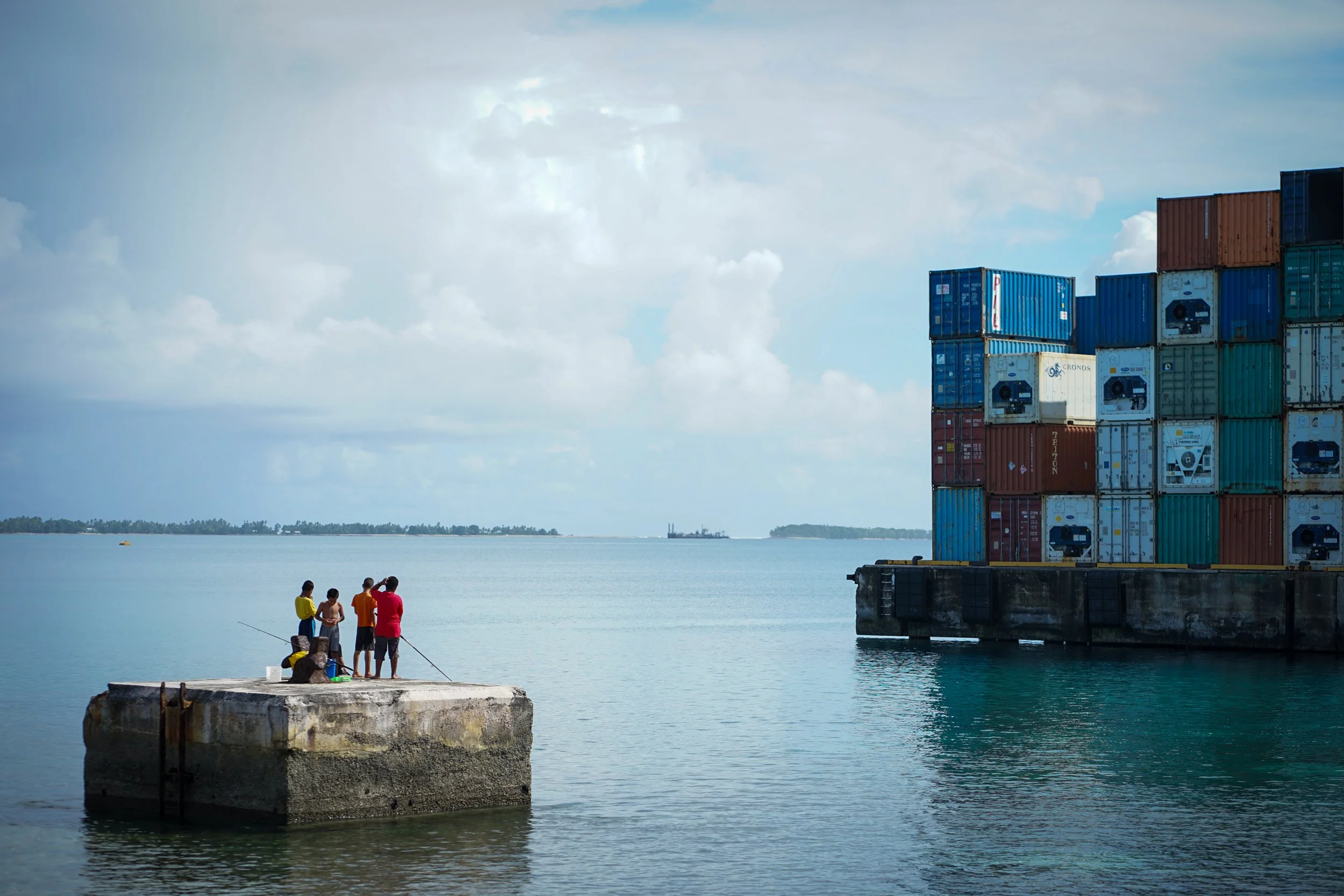
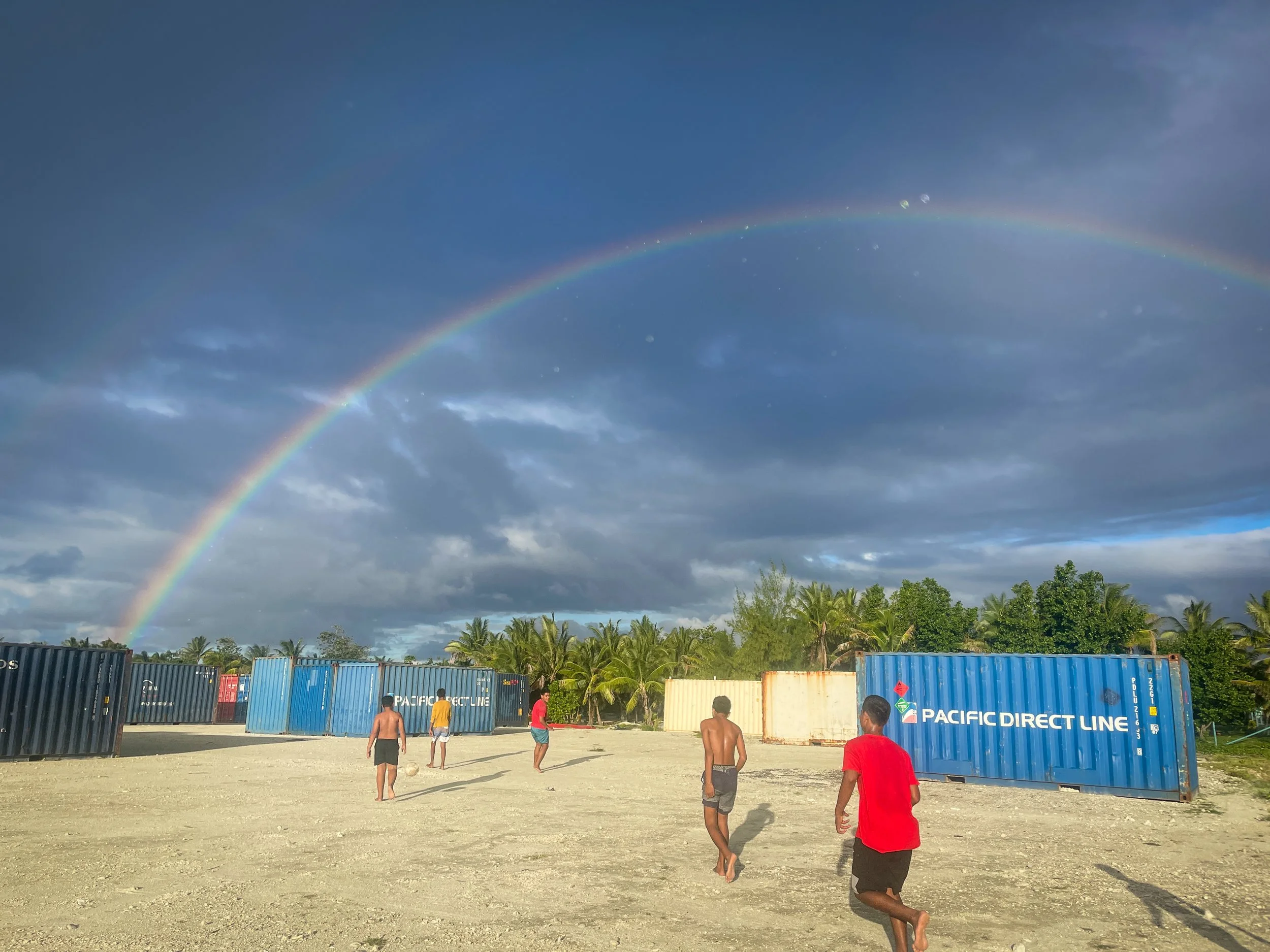
Tuvalu stands at a crossroads — a nation proud of its cultural heritage yet increasingly forced to confront the reality that its land may not endure the continual impacts of rising sea levels and king tides that seem to increase with ferocity and destruction with each new year. Whether through adaptation, migration, or a combination of both, the people of Funafuti face the ultimate challenge: preserving their culture, their identity and their sovereignty while navigating an uncertain future.
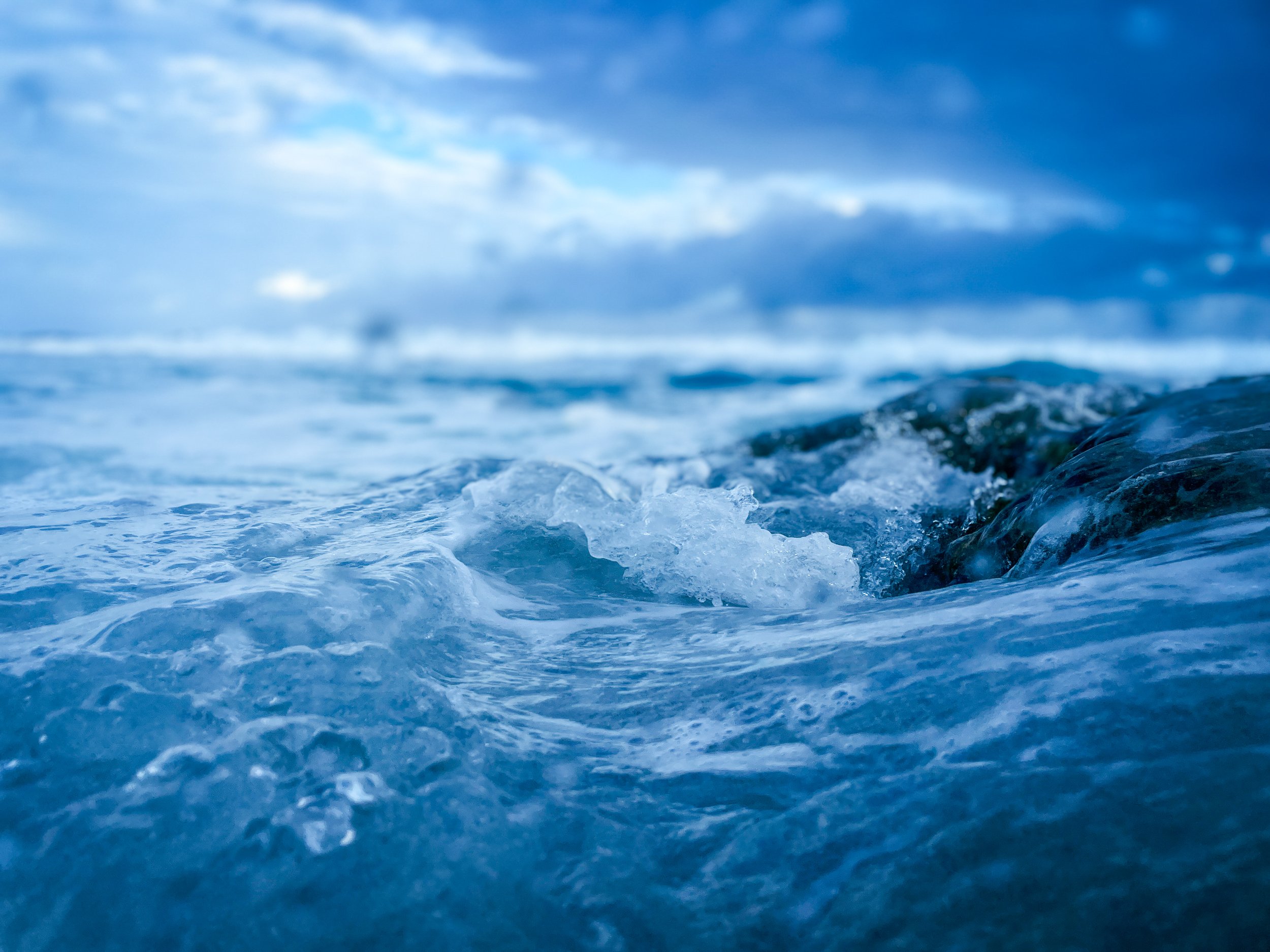
The moana — the vast ocean that embraces Tuvalu — is both a source of reverence and fear. It nurtures life, offering food, sustenance, and a profound cultural connection for those who belong to it. The ocean is woven into the identity of the Tuvaluan people, shaping their traditions, stories, and daily rhythms. Yet, the same waters that cradle their way of life also threaten to claim it. Will the moana, which has sustained them for generations, become the force that swallows their ancestral land? Their story is one of quiet resilience, a people embracing today with full hearts, even as the tides of tomorrow rise, uncertain and unforgiving. Each evening, as the Funafuti airstrip hums with life and echoes with laughter beneath the open sky, the people of Tuvalu weave together strands of tradition, love, and survival — reminders that community remains their greatest strength.
Kalolaine Fainu is a recipient of PWB’s Revolutionary Storyteller Grant.